News
We are a professional heater supplier.
Content
An electric heater is the right supplemental heat source when you need to warm one room quickly without running a whole HVAC system — but which type (PTC, ceramic, or fan), how "smart" it needs to be, and how it must be wired differ sharply between a bedroom, a living room, and a shared office. Most 1,500W portable heaters draw about 12.5 amps, close to the limit of a standard 15-amp household circuit, which is why the single most important spec on any heater — home or office — isn't its features, it's whether its wattage matches the room and the outlet it's plugged into.
Below: how to match heater type and wattage to room size, what "smart" actually adds versus a basic thermostat, and the office-specific wiring rules most buyers overlook.
"Best heater" isn't a single answer — it depends on how fast you need heat, how long you'll run it, and how big the space is. The three core electric heating technologies behave differently enough that picking the wrong one for your use case wastes both money and comfort.
| Heater Type | How It Heats | Best For | Typical Wattage |
|---|---|---|---|
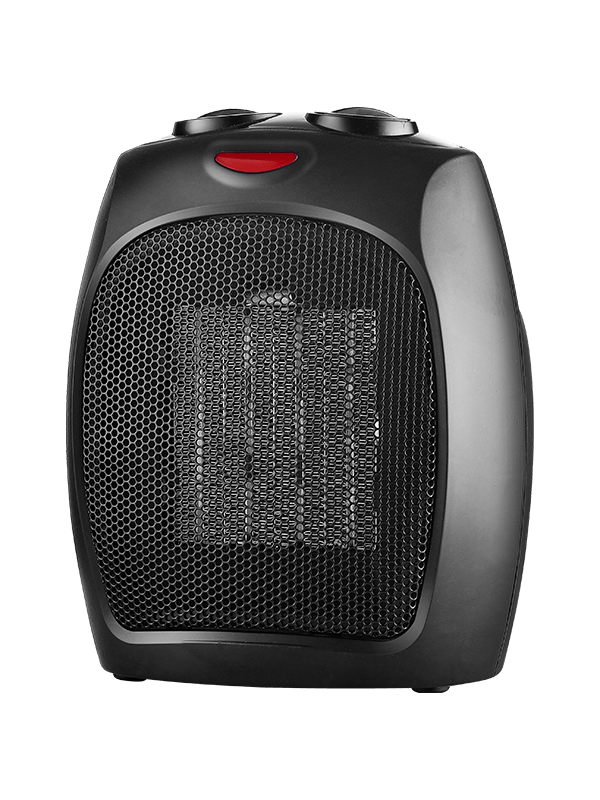
| PTC Ceramic | Self-regulating ceramic plates, convection + fan | Fast spot heating, small-medium rooms, safety-sensitive spaces | 750–1,500W |
| Fan Heater | Metal coil heated, fan-forced air | Quick bursts of warmth, brief use, tight budgets | 1,000–1,500W |
| Infrared / Radiant | Emits radiation absorbed directly by objects and people | Direct spot warmth, drafty rooms, patios | 200–1,500W |
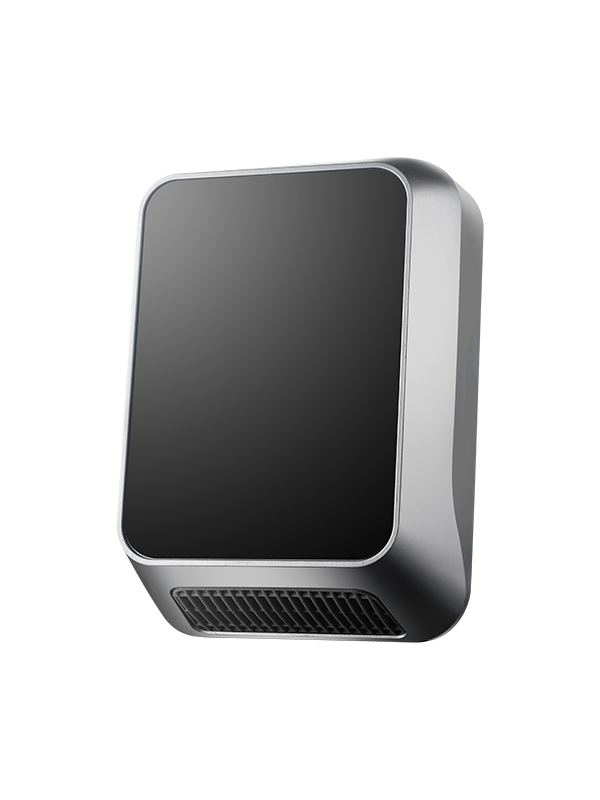
| Wall Mounted Panel | Slow convection, minimal footprint | Permanent supplemental heat, minimalist rooms | 500–1,000W |
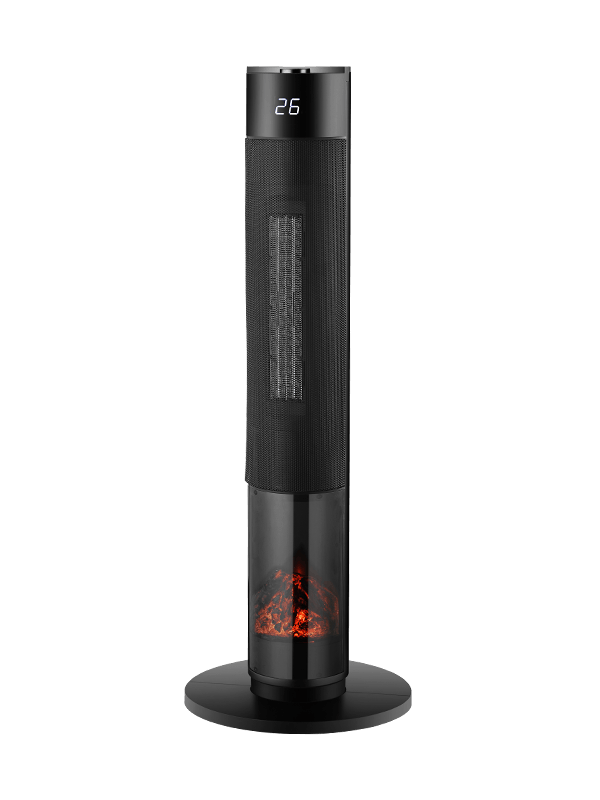
| Tower / Bathroom Fan Heater | Fan-forced, often with moisture-safe housing | Bathrooms, narrow spaces, quick pre-shower warmth | 1,200–1,500W |
Ceramic and infrared heaters are generally considered the most energy-efficient overall, because ceramic units reduce power draw once the room reaches the set temperature, while infrared heaters warm people and objects directly rather than wasting energy heating air that escapes through drafts. Fan heaters heat fastest but are better suited to short sessions than to running for hours, since they don't self-regulate the way PTC ceramic elements do.
Buying a heater that's too small for the room means it runs constantly and never quite gets comfortable; buying one that's oversized wastes electricity and increases fire risk in a small space. The U.S. Department of Energy's general sizing rule is straightforward and worth using as your baseline.
Buying rule: Never size a heater above what your outlet's circuit can safely handle. A 1,500W heater already draws about 12.5A on a standard 15A circuit — leaving almost no headroom for anything else on that circuit. If a room "needs" more heat than a single 1,500W unit provides, that's a signal to check insulation and drafts, not to load up the same outlet with a bigger unit.
A smart heater isn't just a heater with an app — the meaningful upgrade is automated, data-driven temperature control that reduces the hours the heating element runs at full power without you having to remember to adjust it manually. That distinction is where the real savings come from.
| Smart Feature | What It Actually Does |
|---|---|
| App / remote control | Lets you turn the heater on before arriving home or off if you forgot, without walking to the unit |
| Scheduling | Runs the heater only during occupied hours instead of continuously |
| Adaptive / learning thermostat | Adjusts run time based on room thermal retention, not just a fixed setpoint |
| Voice assistant integration | Convenience layer; doesn't independently add efficiency beyond scheduling and app control |
| Auto-eco mode | Cycles wattage up and down to hold a set temperature rather than running at full output continuously |
Independent data on smart thermostats — the same automation principle used in smart heaters — shows an average savings of around 8% on heating and cooling bills, with some industry studies citing 10–15% for AI-driven scheduling that accounts for occupancy and thermal retention rather than a fixed timer. The savings come specifically from reduced runtime during unoccupied hours, not from the heating element itself becoming more efficient — so a smart heater used on a permanent "always on" setting saves little over a basic unit with a mechanical thermostat.
A heater that's perfectly safe in a bedroom can be a liability in a shared office, mainly because of two things a home buyer rarely has to think about: shared circuits and shared responsibility for unattended equipment.
For office use specifically, a lower-wattage PTC or panel heater (750–1,000W) with a built-in tip-over switch and automatic shut-off is generally the safer choice than a high-output 1,500W unit, even if it heats the space slightly slower — the wattage difference is a small comfort trade-off against a meaningfully lower fire and circuit-overload risk in a shared, often-unattended environment.
Heating equipment is the second leading cause of home fires in the United States, and portable electric heaters specifically are involved in an estimated 1,700 fires per year according to CPSC data, resulting in dozens of deaths and over a hundred injuries annually. The overwhelming majority of these incidents trace back to a small set of preventable causes, not to any inherent flaw in the technology.
Bathroom-specific note: A bathroom fan heater must be rated for humid environments and installed with the correct clearance from water sources. Standard portable heaters are not designed for bathroom moisture exposure and significantly raise shock risk if used there instead of a purpose-built bathroom unit.
Buyers rarely need just one heater type — most households and offices end up mixing categories across rooms based on size, moisture exposure, and how long the heater needs to run.
Best for permanent supplemental heat in a fixed room; frees floor space and suits minimalist interiors where a portable unit would be visually intrusive.
The safest choice for shared spaces and offices due to self-regulating overheat protection; ideal where the heater will move between rooms or desks.
Fastest warm-up for short sessions; better suited to a quick blast of heat before switching to a lower-wattage option than to hours of continuous use.
Must be moisture-rated; the single category where using a generic portable heater instead of a purpose-built unit meaningfully increases shock risk.
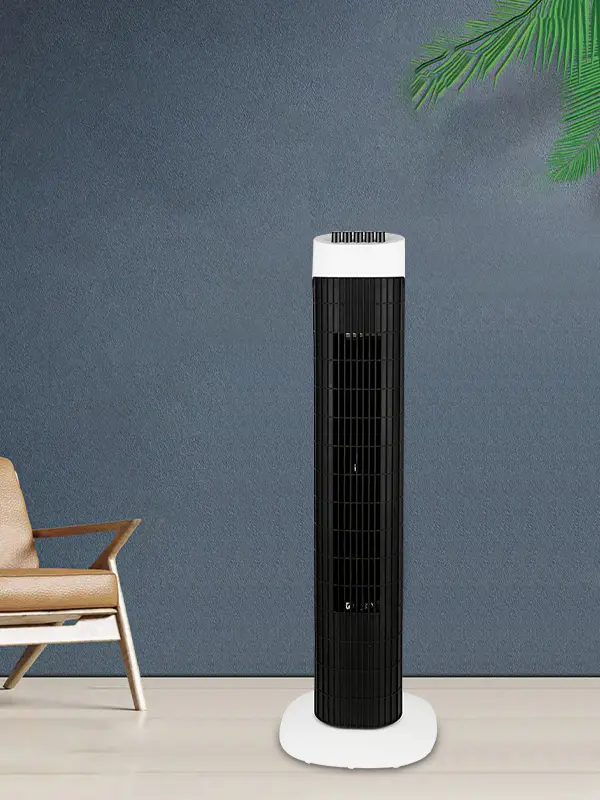
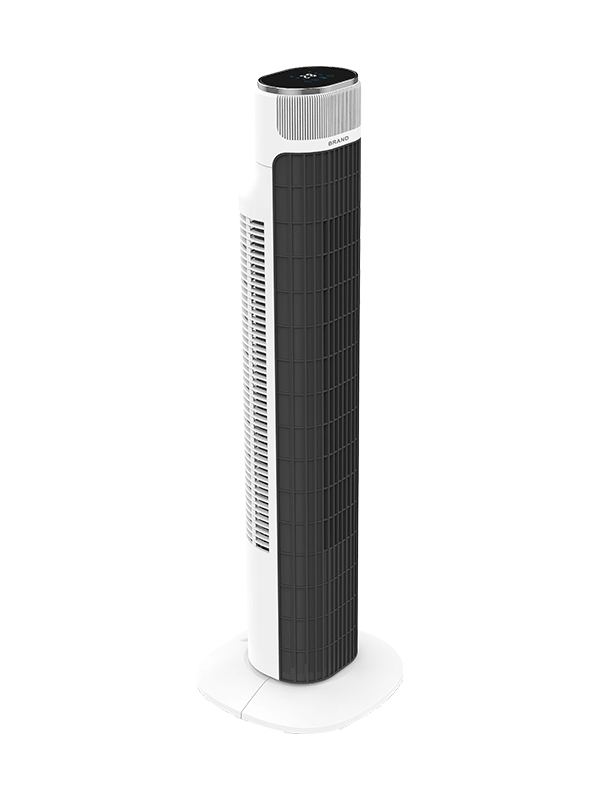
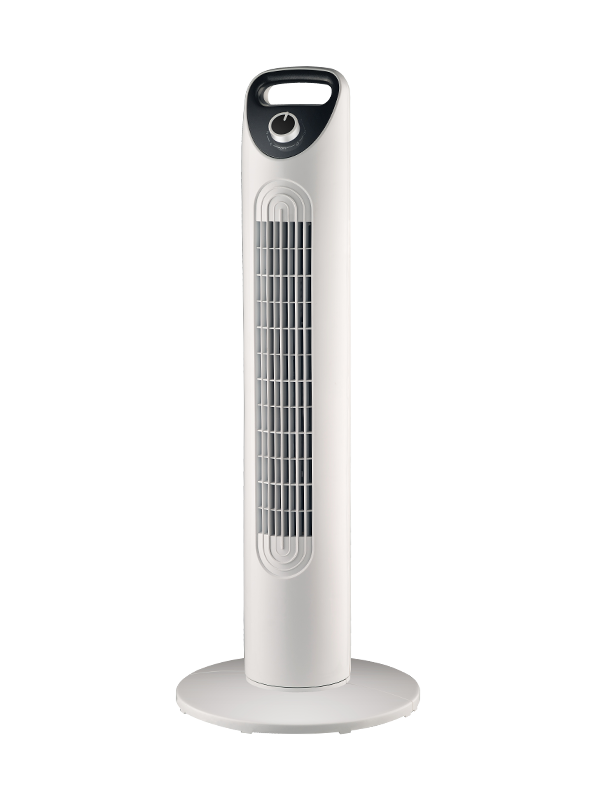
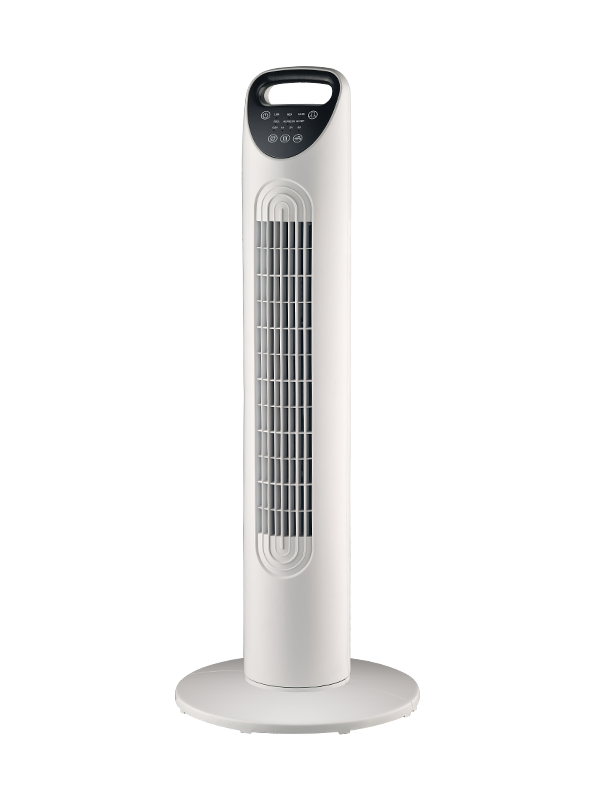
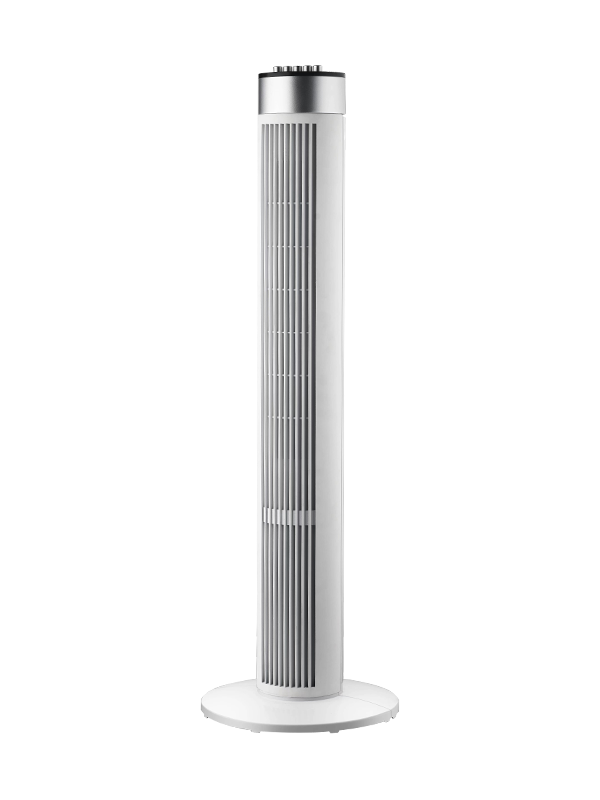
Not a heater — a cooling and air-circulation tool for warmer months, but pairing tower fans with heaters in the same product family covers year-round climate comfort.
Same seasonal-complement role as the tower fan; useful for buyers who want one storefront relationship for both heating and cooling needs.
Not recommended. A 1,500W heater already draws about 12.5 amps on a standard 15-amp circuit, leaving very little safe margin for anything else plugged into the same circuit.
They save money specifically through reduced runtime — scheduling and automation mean the heater isn't running at full power during unoccupied hours. Industry data on smart thermostats, which use the same principle, shows average savings around 8%, with some AI-driven models reporting 10–15%.
A lower-wattage PTC ceramic heater (750–1,000W) with tip-over and overheat protection, plugged directly into a wall outlet with no other devices sharing that circuit, and never left running unattended after hours.
We supply Wall Mounted, Portable PTC, Fan, and Bathroom Fan Heaters alongside Tower and Table Fans — sized correctly and safety-rated for home and office use alike.
Browse Heater & Fan SpecificationsYour email address will not be published. Required fields are marked *
Copyright © Cixi BEILIGE Electric appliance Co.,Ltd. All Rights Reserved