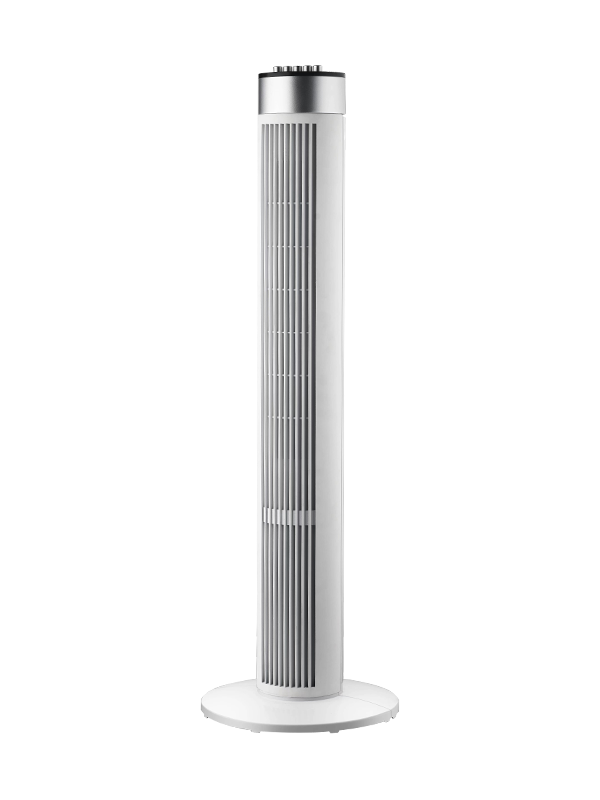
The fastest and most effective way to warm up a cold bathroom is to install a bathroom fan heater — a ceiling- or wall-mounted unit that combines heating and ventilation in one compact appliance. A quality 2,000W bathroom fan heater can raise the temperature of a small to medium bathroom (4–8 m²) from 10°C to a comfortable 22°C in under 10 minutes. For immediate warmth without installation, a portable electric bathroom heater offers the next best option.
This guide covers every practical method for warming a cold bathroom — from quick no-cost fixes to permanent heating solutions — with specific advice on choosing, sizing, and using a bathroom fan heater for the best results.
Why Bathrooms Get So Cold — and Why It Matters
Bathrooms are typically the coldest room in a home for several compounding reasons. They are usually the smallest room, which means they lose heat faster relative to their volume. They have hard, thermally conductive surfaces — tiles, porcelain, and glass — that absorb cold rather than retain warmth. They are frequently ventilated, pulling warm air out and drawing cold air in. And in many older homes, they sit on external walls or above unheated spaces, exposing them to lower ambient temperatures.
Cold bathrooms are more than a discomfort issue. Chronic dampness in under-heated bathrooms creates persistent condensation that leads to mould growth — a health hazard linked to respiratory problems. Mould can begin colonising surfaces within 24–48 hours of sustained condensation if the room temperature stays below 15°C combined with high humidity. Heating the bathroom properly is both a comfort and a health measure.
The Best Solution: Bathroom Fan Heaters Explained
A bathroom fan heater is the single most effective solution for warming a cold bathroom quickly. It combines a heating element (typically ceramic PTC or nichrome wire) with a fan that forces warm air into the room, dramatically accelerating the rate of temperature rise compared to radiant or passive heating methods.
How a Bathroom Fan Heater Works
Cool room air is drawn into the unit, passed over a heated element, and blown back into the bathroom as warm air. The forced convection this creates circulates warmth throughout the room far more evenly and rapidly than a static radiant heater. Most bathroom fan heaters offer two or three power settings — typically 1,000W, 1,500W, and 2,000W — plus a fan-only (ventilation) mode for use in summer. Many modern units also include a thermostat that automatically cycles the heater on and off to maintain a set temperature.
Ceiling-Mounted vs. Wall-Mounted Fan Heaters
Ceiling-mounted bathroom fan heaters are the most common type and the most practical for most bathrooms. Heat rises naturally, so a ceiling unit circulates warm air from top to bottom efficiently. They also avoid using wall space and keep all electrical components well away from water sources. Wall-mounted fan heaters are better suited to larger bathrooms or where ceiling installation is not practical — they can direct airflow toward specific zones, such as directly at the shower area or a dressing corner.
IP Rating: Why It Is Critical in a Bathroom
Any electrical heater installed in a bathroom must carry an appropriate IP (Ingress Protection) rating for its zone. UK and EU bathroom electrical regulations divide the bathroom into zones based on proximity to water:
Zone 0 (inside the bath or shower) — IP67 minimum; no standard heater is suitable here
Zone 1 (directly above the bath/shower, up to 2.25m height) — IP45 minimum required
Zone 2 (within 0.6m of the edge of the bath/shower or sink) — IP44 minimum required
Outside zones (general bathroom area beyond Zone 2) — Standard IP20 acceptable, but IP44 recommended
Most ceiling-mounted bathroom fan heaters are rated IP44 or IP45, making them safe for installation in Zone 1 and Zone 2 positions. Always verify the IP rating before purchasing and confirm installation is carried out by a qualified electrician — bathroom electrical work is a notifiable job under Part P of the Building Regulations in the UK.
Choosing the Right Size Bathroom Fan Heater
Selecting the correct wattage is the most important decision when buying a bathroom fan heater. An undersized unit runs continuously without reaching a comfortable temperature; an oversized unit wastes energy cycling on and off every few minutes.
The standard rule of thumb for bathroom heating is approximately 100W per 1 m² of floor area for a room with standard 2.4m ceilings. For bathrooms with particularly cold external walls, poor insulation, or high ceilings, increase this to 120–150W per m².
Recommended bathroom fan heater wattage by bathroom floor area
Bathroom Size
Floor Area
Recommended Wattage
Warm-Up Time (est.)
Small (e.g. ensuite)
2–4 m²
500W–1,000W
5–8 minutes
Medium (standard family bathroom)
4–8 m²
1,000W–2,000W
7–12 minutes
Large (bathroom with separate shower)
8–12 m²
2,000W–3,000W
10–18 minutes
Very large / wet room
12 m²+
3,000W+ or dual units
15–25 minutes
Key Features to Look For
Adjustable thermostat — Prevents overheating and reduces electricity consumption by cycling the heater to maintain a set target temperature rather than running at full power continuously
Timer function — Allows the heater to start warming the bathroom before you get up in the morning; a 15–30 minute pre-heat timer is ideal for cold climates
Overheating and tip-over protection — Essential safety features; look for automatic cut-off if the unit reaches a critical temperature
Quiet operation — Fan noise below 40 dB(A) is generally considered whisper-quiet; important for early morning use
Dual functionality (heat + ventilation) — A fan-only mode doubles as bathroom ventilation in warmer months, reducing the need for a separate extractor fan
Run-on timer — Keeps the fan running for several minutes after the heater is switched off to clear residual moisture and prevent condensation
How to Use a Bathroom Fan Heater Effectively
Getting the most from a bathroom fan heater is about timing, positioning, and settings — not just switching it on. A few adjustments make a significant difference in both comfort and running costs.
Pre-Heat the Room Before You Need It
The most effective approach is to switch the heater on 10–15 minutes before you plan to use the bathroom. This is especially important in winter when the bathroom may be at 8–12°C in the morning. Running the heater while you are already in the bathroom means spending the first part of your shower or bath in a cold room waiting for it to warm up. A heater with a timer or smart plug integration resolves this automatically.
Keep the Door Closed
This seems obvious but is frequently overlooked. An open bathroom door allows warm air to escape and cold air from the hallway to replace it, effectively doubling the volume the heater needs to warm. Keeping the door closed reduces warm-up time by 30–50% in most homes, particularly those with cold hallways or landing spaces.
Use the Thermostat, Not Max Power
Running a 2,000W heater on full power continuously is inefficient once the room reaches temperature. Set the thermostat to your target comfort temperature — typically 22°C–24°C for a bathroom — and allow the unit to cycle automatically. This approach reduces energy use by 40–60% compared to running the heater at full output for the same period, because the thermostat cuts power once the target is reached.
Let the Fan Run After Bathing
After showering or bathing, switch the heater to fan-only mode for 10–15 minutes to extract the steam and moisture generated. This prevents condensation forming on cold surfaces — the primary cause of mould. Units with a run-on timer do this automatically. Removing moisture promptly also helps the room return to a comfortable temperature faster for the next user.
Other Effective Ways to Warm Up a Cold Bathroom
A bathroom fan heater is the primary solution, but several complementary and alternative methods address specific situations — particularly when installation is not possible, when background warmth is needed continuously, or when the goal is to reduce heat loss rather than add more heat.
Heated Towel Rails
A heated towel rail connected to the central heating system or electrically powered provides gentle background warmth and eliminates the damp, cold-towel experience. While a towel rail alone cannot rapidly heat a bathroom from cold — a standard 600W electric towel rail contributes roughly the same heat output as a single-bar electric fire — it is an excellent supplement to a fan heater, providing continuous low-level warmth that means the fan heater needs to run for less time each morning.
Underfloor Heating
Electric underfloor heating (UFH) beneath bathroom tiles is one of the most comfortable permanent heating solutions available. It eliminates the shock of cold tiles underfoot and provides even, radiant heat from the floor upward. A typical electric UFH mat in a 5 m² bathroom costs £150–£400 to install and draws approximately 100–150W per m² — around 500–750W for the whole floor. It is best used as a complement to a fan heater rather than a standalone solution, as UFH takes 20–40 minutes to bring a cold bathroom up to temperature from cold start.
Central Heating Radiator
If your bathroom lacks a central heating radiator entirely, adding one is a permanent solution that integrates the bathroom into your home's overall heating schedule. A plumber can extend the existing system to add a bathroom radiator. The limitation is that central heating operates on a schedule — it cannot be activated instantly on demand in the way an electric fan heater can. For bathrooms that are only used briefly at set times, combining a radiator (for background warmth) with a fan heater (for rapid top-up) is the most energy-efficient approach.
Portable Bathroom Heaters
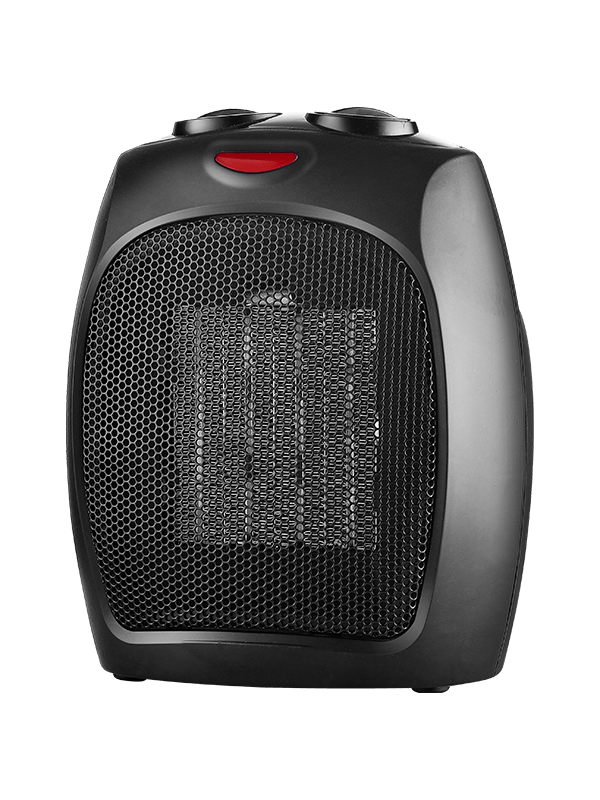
For renters or those who cannot undertake installation work, a portable plug-in bathroom heater is the most accessible option. Only use heaters that are specifically rated for bathroom use (IP44 or higher) and never use a standard domestic room heater in a bathroom — it is a serious safety and electrical hazard. Plug the unit into an outlet outside the bathroom zone and ensure the cord does not create a trip risk. Portable bathroom heaters typically cost £20–£60 and are effective in small spaces, though they are less convenient than a permanently installed ceiling unit.
Infrared Heating Panels
Infrared bathroom heaters warm people and objects directly by emitting infrared radiation — similar to the warmth felt from the sun — rather than heating the air. This means you feel warm instantly, even in a cold room, without waiting for the air temperature to rise. A 400–600W infrared panel mounted on the ceiling directly above the shower or bathing area provides targeted radiant warmth extremely quickly. The trade-off is that infrared heat does not warm the ambient air as effectively, so the room itself may still feel cold. Infrared panels work best as a supplement for instant perceived comfort, not as a standalone room-heating solution.
Comparing Bathroom Heating Options Side by Side
Each heating method has a different combination of warm-up speed, installation requirement, running cost, and suitability. The table below compares the main options directly:
Comparison of bathroom heating methods by speed, cost, and suitability
Heating Method
Warm-Up Speed
Installation Required
Running Cost
Also Ventilates
Best For
Bathroom fan heater (ceiling)
Fast (5–12 min)
Yes (electrician)
Medium
Yes
Most bathrooms — primary solution
Portable bathroom heater
Fast (5–10 min)
No (plug-in)
Medium
Some models
Renters, temporary use
Infrared heating panel
Instant (perceived)
Yes
Low–Medium
No
Supplement for instant bodily warmth
Heated towel rail (electric)
Slow (30–60 min)
Yes
Low
No
Background warmth, dry towels
Electric underfloor heating
Slow (20–40 min)
Yes (significant)
Low–Medium
No
Comfort, elimination of cold floors
Central heating radiator
Medium (15–30 min)
Yes (plumber)
Low (gas)
No
Background warmth on heating schedule
Reducing Heat Loss: Making Your Bathroom Retain Warmth Longer
Heating a bathroom efficiently is not just about adding more heat — it is equally about stopping the warmth you generate from escaping quickly. Addressing heat loss is especially important in older homes where the bathroom has an exterior wall, a cold floor, or single-glazed windows.
Draught-Proof the Door and Window
Cold air infiltration through gaps around the door frame and window is a significant source of heat loss in bathrooms. Self-adhesive foam draught excluder strips around the door frame cost as little as £3–£5 and can reduce the amount of heat the bathroom needs to generate by a measurable amount. A door bottom draught excluder is worth adding if there is a visible gap under the door.
Add a Bath Panel and Insulate Pipework
The cavity under a freestanding or panel bath can act as a cold air reservoir that keeps the floor area around the bath cold. A well-fitted bath panel significantly reduces this effect. Similarly, exposed cold water pipes that run along bathroom walls — common in older homes — absorb heat from the room. Insulating pipe lagging costs under £10 and prevents cold pipes from drawing warmth out of the air.
Use a Bathroom Rug or Mat
Ceramic tiles have very low thermal resistance. Even if the air in the bathroom is warm, bare tiles will feel cold underfoot and draw warmth from your feet through conduction. A bath mat or bathroom rug provides immediate insulation from the floor surface and makes a warm bathroom feel significantly more comfortable — a free or very low-cost improvement that makes a noticeable difference in perceived warmth.
Upgrade Single-Glazed Windows
A single-glazed bathroom window can lose up to 5 times more heat than a double-glazed equivalent of the same size. In a small bathroom, this single factor can make the difference between a room that warms up quickly and one that never reaches a comfortable temperature. If full window replacement is not feasible, secondary glazing film — a clear plastic film applied inside the window frame — reduces heat loss by approximately 50% at minimal cost (typically £10–£20 per window).
Quick No-Cost and Low-Cost Tips for Immediate Improvement
While a bathroom fan heater is the best long-term solution, several immediate actions can make a cold bathroom noticeably more comfortable right now:
Run hot water before you get in — Run the shower or bath at full hot temperature for 2–3 minutes with the bathroom door closed. The steam raises the room temperature and humidity, making it feel immediately warmer.
Keep the bathroom door closed at night — A consistently closed bathroom door maintains a slightly higher baseline temperature by reducing air exchange with colder hallway or landing areas overnight.
Use warm towels — Place towels on a radiator or heated towel rail before showering. Wrapping yourself in a warm towel immediately after a shower makes the transition from warm shower to cool room significantly more comfortable.
Install a thermal window blind or curtain — If the bathroom has a window, a thermal roller blind or curtain adds insulation at night and in winter months, reducing radiant heat loss through the glass.
Check and bleed your radiator — If the bathroom has a central heating radiator that is cold at the top and warm at the bottom, it needs bleeding. Trapped air prevents hot water from circulating through the full radiator. Bleeding takes 2 minutes and a radiator key (under £2) and can restore full heat output immediately.
Bathroom Fan Heater Running Costs: What to Expect
Running cost is a practical consideration for any bathroom heating decision. Based on a UK electricity unit rate of approximately 24p per kWh (the 2024–2025 Ofgem price cap rate), the table below gives a realistic view of daily and annual running costs for a bathroom fan heater used for 30 minutes each morning:
Estimated running costs for a bathroom fan heater at 30 minutes daily use (24p/kWh)
Heater Wattage
Cost Per 30 Min
Cost Per Month
Cost Per Year (6 months use)
1,000W
~12p
~£3.60
~£21.60
1,500W
~18p
~£5.40
~£32.40
2,000W
~24p
~£7.20
~£43.20
3,000W
~36p
~£10.80
~£64.80
In practice, a thermostat-equipped fan heater running for 30 minutes will not be at full wattage for the entire period — once the target temperature is reached, it cycles to a lower duty cycle. Actual running costs are typically 30–50% lower than the maximum-wattage figures above when a thermostat is used correctly. Choosing the correct wattage for the room size (rather than oversizing) and using the timer and thermostat together produces the most efficient results.

 en
en  English
 中文简体
中文简体 Español
 عربى
عربى русский