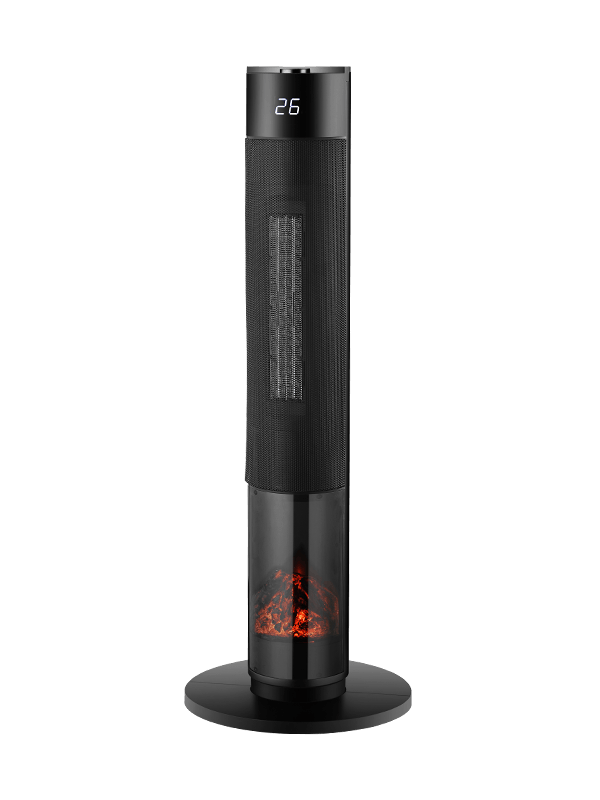
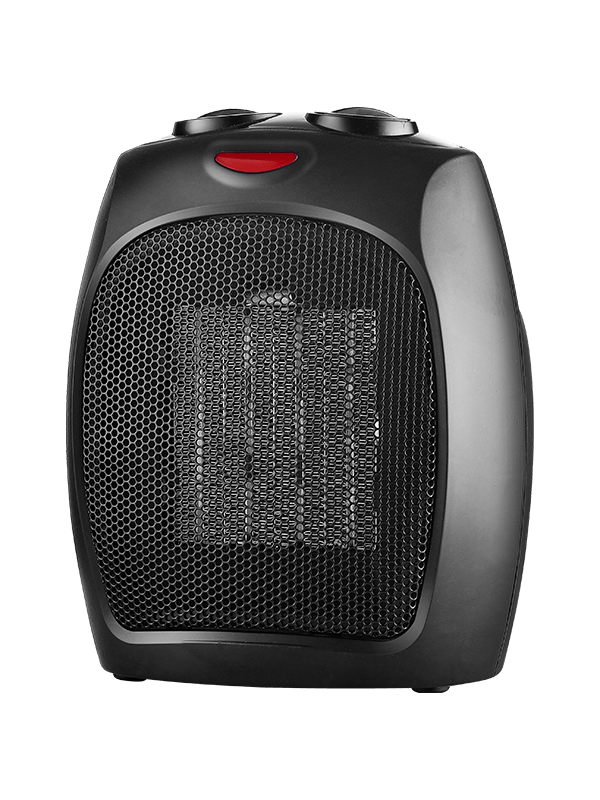
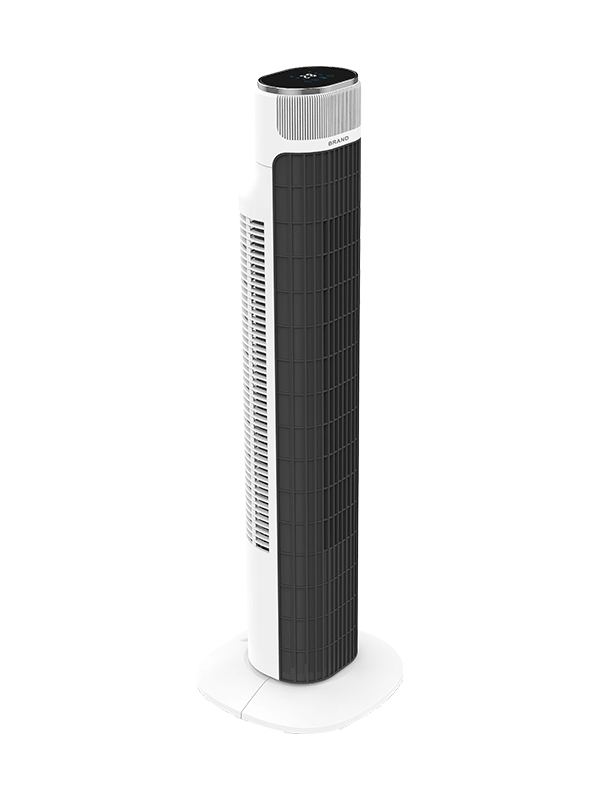
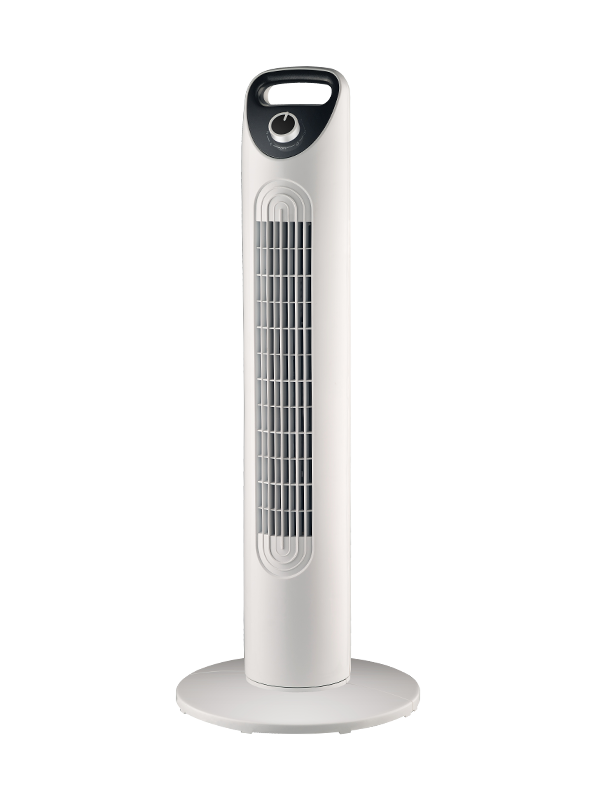
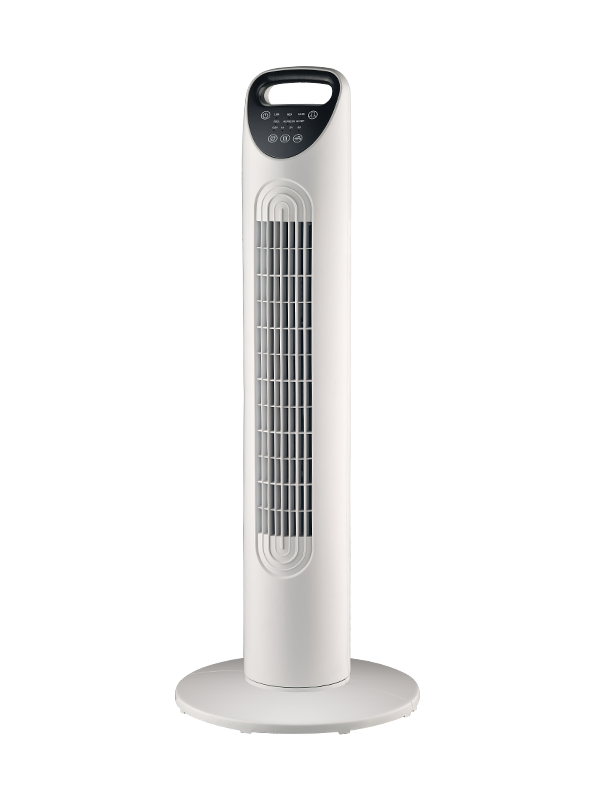
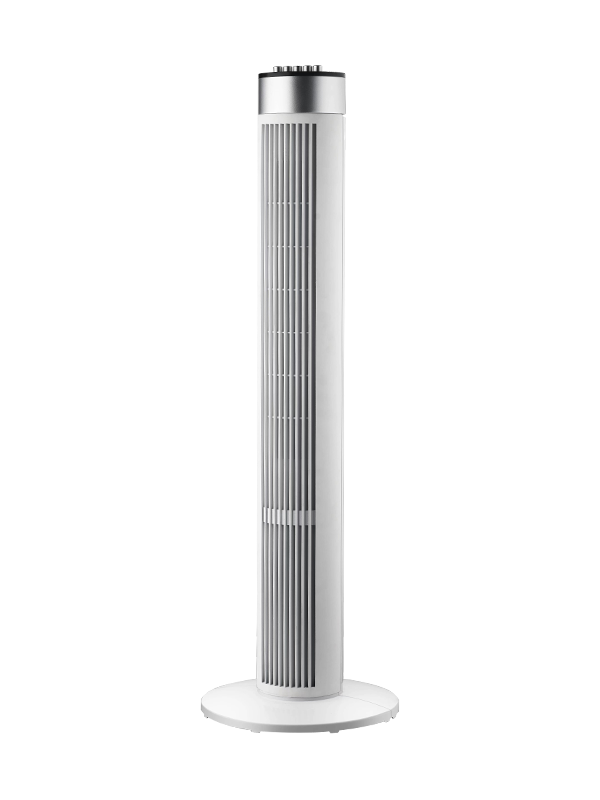
Tower heaters do use a meaningful amount of electricity, but whether that's "a lot" depends entirely on how you use them. Most tower heaters consume between 750 and 1,500 watts — the same range as a hair dryer or microwave. Running a 1,500W tower heater for 8 hours a day at the U.S. average electricity rate of $0.16 per kWh costs approximately $1.92 per day, or roughly $57.60 per month. That's significant — but used strategically as a zone heater instead of running central heating throughout a whole home, a tower heater can actually reduce your overall energy bill.
This article breaks down exactly how much electricity tower heaters use, what drives running costs up or down, how they compare to other heating options, and practical strategies to minimize their impact on your electricity bill.
How Much Electricity Does a Tower Heater Actually Use?
Tower heaters are resistive electric heaters — they convert electrical energy into heat with close to 100% efficiency. This means every watt drawn from the outlet becomes usable heat in the room. The power consumption depends primarily on the wattage setting selected.
Most tower heaters offer two or three power settings. A typical model might offer:
Low setting: 750W — suitable for maintaining warmth in a small room already at temperature
Medium setting: 1,000W — good for moderate climates or smaller spaces
High setting: 1,500W — maximum output for quickly heating a room or combating cold climates
Energy consumption is calculated as: kWh = Watts ÷ 1,000 × Hours Used. A 1,500W heater running for 1 hour uses 1.5 kWh. Multiply by your electricity rate to get the cost per hour.
Estimated running costs for tower heaters at different wattages based on U.S. average rate of $0.16/kWh
Wattage
Cost per Hour
Cost per 8 Hours
Cost per Month (8 hrs/day)
750W
$0.12
$0.96
$28.80
1,000W
$0.16
$1.28
$38.40
1,500W
$0.24
$1.92
$57.60
Note that these figures assume the heater runs continuously. In practice, heaters with thermostats cycle on and off to maintain a set temperature, which can reduce actual energy consumption by 30–50% compared to continuous operation.
What Makes Tower Heaters More or Less Energy Efficient
Not all tower heaters perform equally in terms of energy efficiency. Several design and usage factors determine how much electricity is actually consumed to achieve and maintain a comfortable temperature.
Built-In Thermostat
A thermostat is the single most important energy-saving feature in any space heater. Without one, the heater runs at full power constantly. With an accurate thermostat, the heater only draws power when the room temperature drops below the target — often resulting in the heater running at full power for only 15–25 minutes per hour once a room reaches temperature.
Ceramic vs. Fan-Only Tower Heaters
Most modern tower heaters use ceramic heating elements (PTC — Positive Temperature Coefficient). PTC ceramics are self-regulating: as they get hotter, their electrical resistance increases, automatically reducing power draw and preventing overheating. This makes them inherently more efficient than older wire-element heaters. Infrared tower heaters work differently — they heat objects and people directly rather than the air, which can feel warmer at a lower wattage setting in occupied rooms.
Room Size and Insulation
A 1,500W tower heater is generally rated to heat a room of up to 150–200 square feet. Using a 1,500W heater in a 400 sq ft room will cause it to run near-continuously without ever achieving the target temperature, wasting energy. Matching the heater's output to the room size is critical for efficiency.
Programmable Timers
Tower heaters with programmable timers allow you to pre-heat a room before occupancy and shut off automatically when unneeded. Running a heater for 30 minutes before you enter a room rather than leaving it on all day can cut energy use by 60–70% for the same comfort outcome.
Tower Heaters vs. Other Heating Options: A Cost Comparison
Understanding how tower heaters compare to alternative heating methods helps put their electricity use in perspective. The key variable is not just energy consumption, but the cost per unit of heat delivered and the size of the space being heated.
Approximate monthly heating cost comparison for a single room using different heating methods
Heating Method
Typical Wattage / Input
Est. Monthly Cost (1 room, 8 hrs/day)
Best Use Case
Tower Heater (1,500W)
1,500W electric
$29–$58
Zone heating, 1–2 rooms
Central Gas Furnace (whole home)
60,000–100,000 BTU
$80–$150+ (whole home)
Whole-home heating
Electric Baseboard Heater
500–2,000W
$24–$96
Permanent room supplement
Oil-Filled Radiator
600–1,500W
$23–$50
Sustained, gentle heat
Mini-Split Heat Pump
700–2,000W
$10–$30
Efficient zone heating long-term
The key insight: if you use a tower heater to heat only the room you're in and lower your central thermostat by 7–10°F, the U.S. Department of Energy estimates you can save up to 10% per year on your overall heating bill. The tower heater's electricity cost is offset by the reduced load on your central heating system.
The Real Cost of Running a Tower Heater All Night
Many people run tower heaters overnight in bedrooms — a scenario with the most significant energy implications. Running a 1,500W heater for 8 hours overnight costs approximately $1.92 at $0.16/kWh. Over a 90-day winter, that's roughly $172.80 just for overnight use.
However, most people don't need maximum heat while sleeping. Practical strategies for overnight use include:
Set the thermostat to 65°F (18°C) — the temperature most sleep experts recommend — rather than the daytime comfort level of 70–72°F. This alone can reduce overnight runtime by 40%.
Use a timer to run the heater for the first 1–2 hours only, pre-heating the room before sleep rather than running it all night.
Switch to the 750W low setting at bedtime — sufficient for maintaining a room that's already warm.
Note: Running any space heater unattended overnight carries fire risk. The U.S. Consumer Product Safety Commission reports that space heaters are involved in approximately 1,700 home fires annually. If you run a tower heater overnight, ensure it has automatic overheat protection and tip-over shutoff, and keep it at least 3 feet from bedding.
Features That Reduce Tower Heater Electricity Use
When buying a tower heater with energy efficiency as a priority, look for these specific features:
Adjustable thermostat with digital display: Allows precise temperature control. Analog dials often overshoot target temperatures, wasting energy.
Programmable 24-hour timer: Schedule the heater to run only during occupied hours. Avoiding even 4 unnecessary hours per day saves roughly $17–$29 per month on a 1,500W model.
Eco mode: Automatically alternates between low and high settings to maintain temperature with minimum power draw.
Multiple power settings: Access to a 750W low setting lets you choose the minimum effective power for conditions that don't require maximum output.
Ceramic PTC heating element: Self-regulating — draws less power as it reaches operating temperature, improving efficiency over standard resistance elements.
Remote control or smart home compatibility: Allows you to turn the heater off remotely if you forget, preventing hours of unnecessary runtime.
How to Use a Tower Heater Without Spiking Your Electricity Bill
Smart usage habits can dramatically reduce the cost of running a tower heater without sacrificing comfort. These strategies are grounded in energy efficiency principles:
Use it as a zone heater, not a whole-home solution. Lower your central thermostat to 62–65°F and use the tower heater only in the room you're occupying. The combined cost is typically lower than heating the entire home to 70°F.
Close doors and windows. Heating a sealed room of 150 sq ft requires far less energy than heating an open-plan space. Closing interior doors concentrates the heat where you need it.
Start on the high setting, then switch to low. Use 1,500W to heat the room quickly, then reduce to 750W to maintain temperature. This reaches comfort faster and cycles the thermostat off sooner.
Position the heater strategically. Place it near your primary seating area on a hard floor surface, away from walls and furniture that absorb rather than reflect heat. Never place it in a corner where heat pools inefficiently.
Supplement with passive heat retention. Heavy curtains, draft excluders under doors, and rugs on bare floors significantly reduce heat loss — meaning the heater runs less often to maintain the same temperature.
Use the fan-only mode in mild weather. Many tower heaters include a fan-only setting that uses as little as 30–50W — useful for air circulation without any heating cost.
Tower Heater Electricity Use by Room Type: Realistic Estimates
The actual electricity consumed varies significantly based on where and how you use the heater. Here are realistic usage scenarios with cost estimates:
Estimated monthly electricity costs for tower heater use in common household scenarios at $0.16/kWh
Scenario
Daily Use
Setting
Est. Monthly Cost
Home office (daytime only)
8 hours
1,500W with thermostat
~$23–$35
Bedroom (overnight)
8 hours
750W low setting
~$14–$20
Living room (evening only)
4 hours
1,500W full power
~$29
Bathroom (brief warm-up)
30 minutes
1,500W full power
~$3.60
The bathroom and brief warm-up scenarios illustrate an important point: short-burst use of a tower heater is very cost-effective. The electricity cost becomes high only when the heater runs for many hours daily over multiple months.
Bottom Line: Are Tower Heaters Worth Running?
Tower heaters use a significant amount of electricity when run continuously at full power — but they are not inherently wasteful compared to alternatives. The verdict depends on how you use them:
Good value: Using a tower heater for zone heating in a single occupied room while lowering central heating costs less than heating an entire home.
Poor value: Running a tower heater as a primary heat source throughout a whole home or leaving it on unattended for extended periods.
Best efficiency: A tower heater with a programmable thermostat, eco mode, and timer used in a well-insulated, appropriately sized room delivers comfort at the lowest possible electricity cost.
For households in climates with mild winters or those needing supplemental heat in just one or two rooms, a quality tower heater costing $40–$120 can pay for itself in energy savings within a single season when used as a strategic replacement for whole-home heating.

 en
en  English
 中文简体
中文简体 Español
 عربى
عربى русский