Do Fan Heaters Use a Lot of Electricity? The Direct Answer
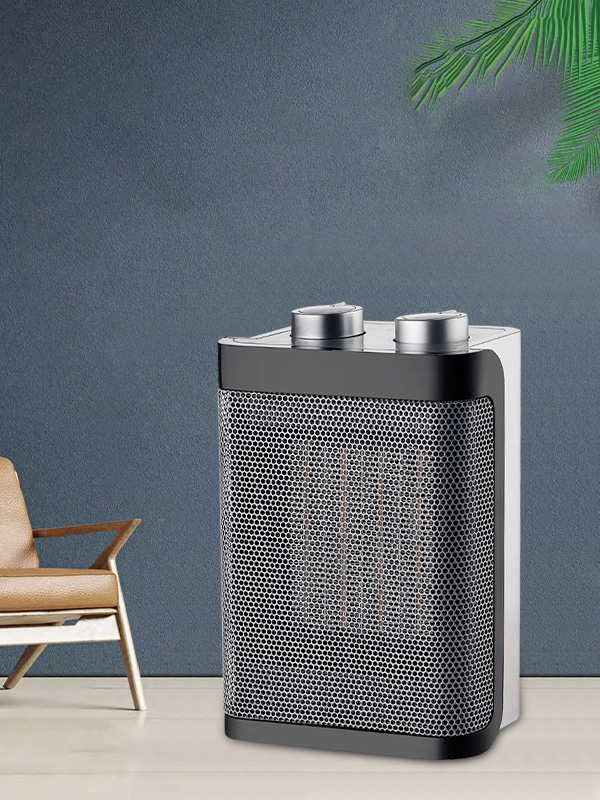
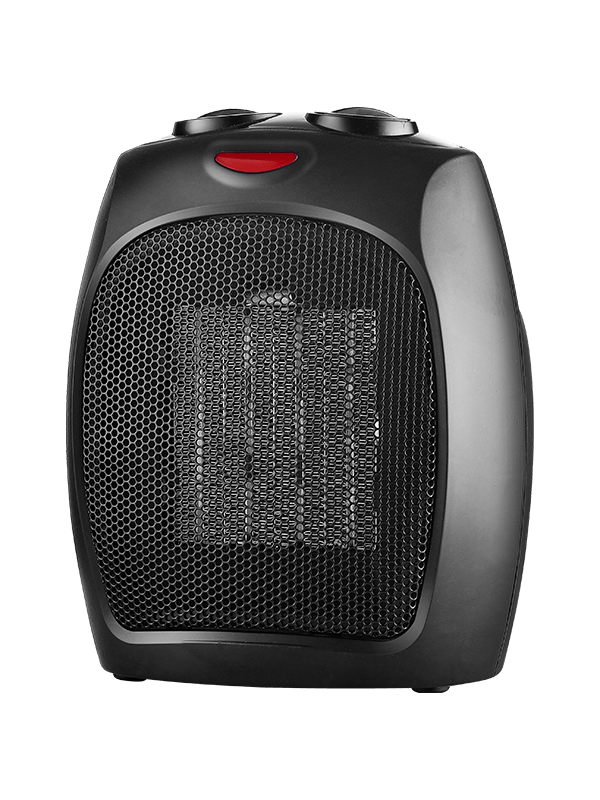
Yes, fan heaters do use a significant amount of electricity—typically between 1,000W and 3,000W per hour—but whether that translates to high running costs depends on how and where you use them. A standard 2kW fan heater running for 1 hour consumes 2 kWh of electricity. At the average US electricity rate of around $0.16 per kWh (or approximately £0.24 per kWh in the UK as of 2024), that works out to roughly $0.32 per hour in the US or £0.48 per hour in the UK.
Used as a primary whole-home heating source, a fan heater will generate a noticeably large electricity bill. However, used strategically—to heat a single room quickly while leaving the central heating off—a fan heater can actually be more economical than warming an entire house. The key is understanding the wattage, your usage habits, and the type of fan heater you choose.
How Much Electricity Does a Fan Heater Actually Use?
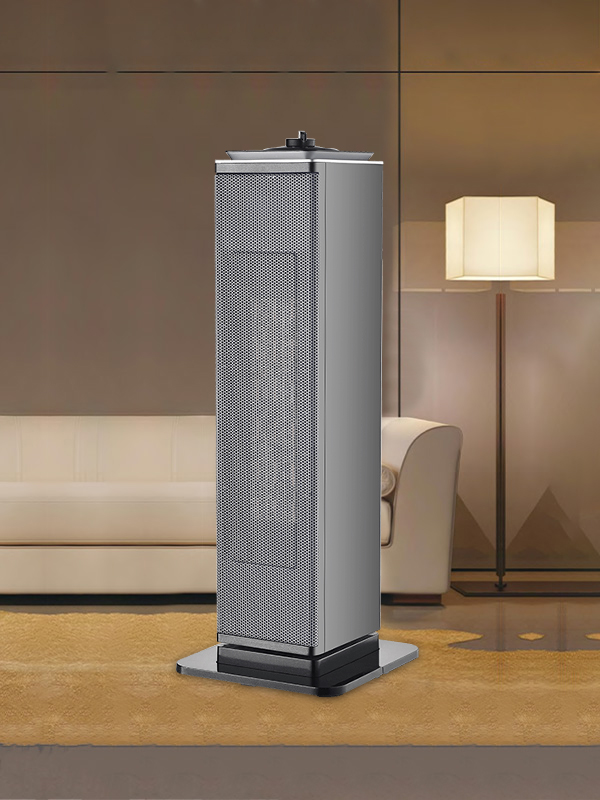
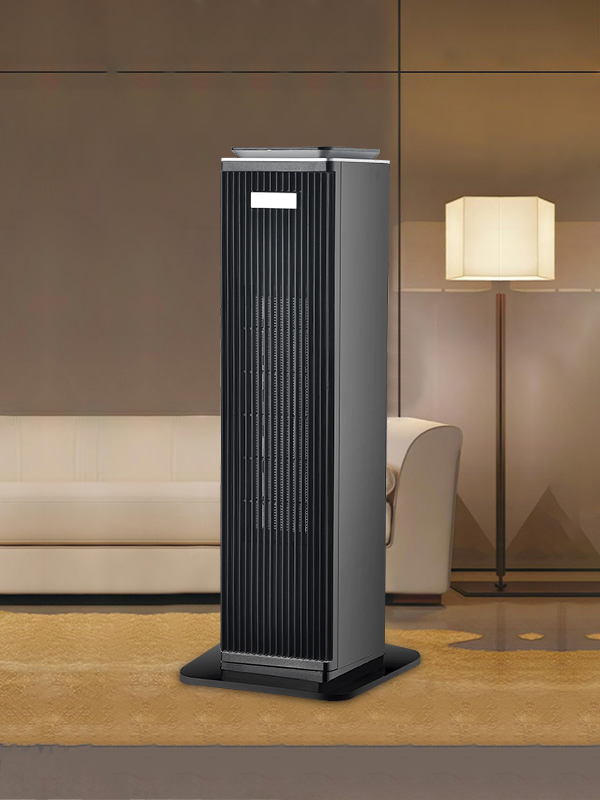
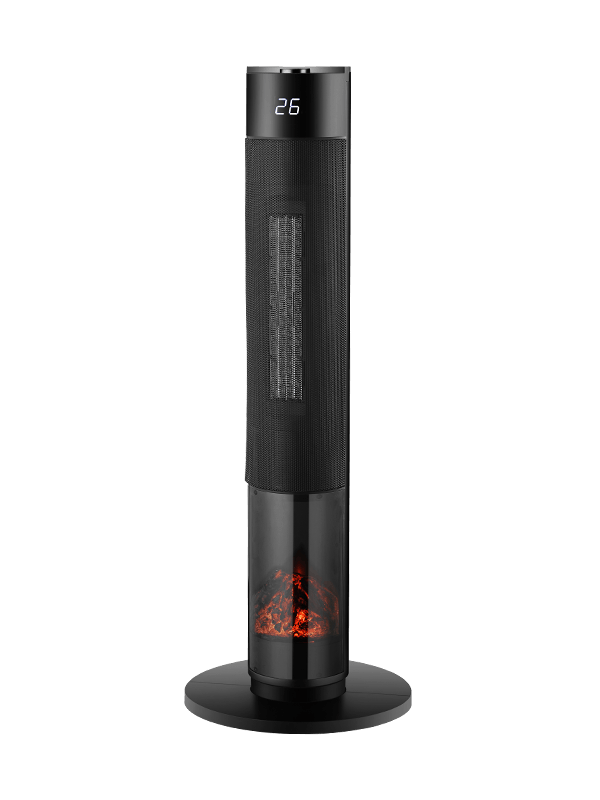
Fan heaters convert electrical energy directly into heat using a resistive heating element, then blow that heat into the room with a fan. This means they are close to 100% efficient at converting electricity to heat—no energy is lost up a flue or in distribution pipework. The cost question, therefore, comes down almost entirely to wattage and usage time.
Typical Fan Heater Wattage by Type
Running costs calculated at $0.16/kWh (US average). Actual costs vary by tariff and usage pattern.
Fan Heater Type
Typical Wattage
Cost per Hour
Cost per 8-hr Day
Small personal fan heater
750W – 1,000W
$0.12 – $0.16
$0.96 – $1.28
Standard fan heater
1,500W – 2,000W
$0.24 – $0.32
$1.92 – $2.56
High-output fan heater
2,500W – 3,000W
$0.40 – $0.48
$3.20 – $3.84
Wall mounted fan heater
1,000W – 2,000W
$0.16 – $0.32
$1.28 – $2.56
Most fan heaters also include a thermostat, which means they do not run at full wattage continuously. A fan heater set to maintain 20°C in a well-insulated room may only run at full power for 40–60% of the time, effectively cutting the real-world energy cost by nearly half compared to continuous full-power operation.
Fan Heaters vs. Other Electric Heaters: How Do They Compare?
All electric resistance heaters are equally efficient at converting electricity to heat—the difference lies in how they distribute that heat and how well they maintain it. Fan heaters heat a room faster than oil-filled radiators or panel heaters because the fan actively circulates warm air. But faster heating also means they can cycle on and off more rapidly, which affects overall consumption.
Fan heater: Heats quickly (a small room in 5–10 minutes), loses heat quickly when switched off. Best for short, burst-use sessions.
Oil-filled radiator: Takes 15–30 minutes to reach temperature but retains heat well after switching off. Better for sustained room heating over several hours.
Panel heater: Slim and wall-mountable, similar wattage to fan heaters, quieter operation. Good for background warmth.
Infrared heater: Heats objects and people directly rather than the air, making it highly efficient in drafty spaces or outdoors where warming the air would be wasted.
Heat pump (reverse cycle): Uses 3–5 kWh of heat energy per 1 kWh of electricity consumed, making it 3–5 times more efficient than any resistance heater—including fan heaters. The most cost-effective electric heating option where available.
For occasional use in a single room, fan heaters remain a practical and affordable option. For whole-home or long-duration heating, a heat pump or well-insulated central system will consistently cost less to run.
Wall Mounted Fan Heater: What It Is and Why It Matters
A wall mounted fan heater is a fan heater fixed permanently to a wall rather than placed on the floor or a surface. It performs the same core function—drawing in cool air, heating it across an electric element, and blowing warm air into the room—but its fixed installation offers a number of practical and efficiency-related advantages over freestanding models.
Wall mounted fan heaters are particularly common in bathrooms, hallways, garages, workshops, and commercial spaces where floor space is limited or where a permanent, always-ready heat source is preferable to a portable unit that can be moved or knocked over.
Key Advantages of a Wall Mounted Fan Heater
Space saving: Mounted at wall or ceiling height, a wall fan heater frees up the entire floor area—critical in compact bathrooms or tight utility rooms.
Better heat distribution: Positioning the heater at height allows warm air to descend naturally and circulate more evenly, reducing cold spots near the floor.
Improved safety: Out of reach of children and pets, with no trailing cables across the floor. Many models carry IP ratings (e.g., IP21 or IP44) for use in damp environments like bathrooms.
Thermostat and timer integration: Hardwired wall models are more easily integrated with programmable thermostats and timers than plug-in portables, enabling more precise control and lower energy waste.
Permanent installation: No risk of the heater being unplugged, moved to the wrong room, or left running in an unoccupied space by accident.
Wall Mounted Fan Heater Electricity Use vs. Freestanding Models
In terms of raw wattage, a wall mounted fan heater uses the same amount of electricity as a comparable freestanding model at the same power setting. A 2kW wall heater draws 2kW just as a 2kW portable heater does. The efficiency advantage comes not from the heating element itself, but from smarter use patterns that wall mounting enables.
Consider a bathroom scenario: a wall mounted fan heater with a built-in timer can be programmed to run for exactly 15 minutes before your morning shower. A portable unit, by contrast, is more likely to be switched on manually and left running for 30–45 minutes due to convenience habits. Over a month, that difference in usage behavior can add up to several kilowatt-hours of avoidable consumption.
Monthly Running Cost Comparison: Bathroom Heating Example
Based on a 2kW heater, used daily, at $0.16/kWh. Wall unit programmed to 15 min; portable unit left running an average of 40 min.
Heater Type
Daily Use
Daily kWh
Monthly Cost
Wall mounted fan heater (programmed)
15 minutes
0.5 kWh
~$2.40
Freestanding fan heater (manual use)
40 minutes
1.33 kWh
~$6.38
The wall-mounted unit in this example costs nearly 63% less per month for the same task—not because it uses less electricity per watt, but because the built-in controls prevent unnecessary running time.
How to Choose the Right Wall Mounted Fan Heater
Selecting the right wall mounted fan heater requires matching the unit's output to the room size, checking its safety rating for the intended environment, and prioritising control features that reduce unnecessary electricity use.
Matching Output to Room Size
A commonly used rule of thumb is approximately 1kW of heating power per 10 square metres of floor space in a reasonably insulated room. For a poorly insulated room or one with high ceilings, increase this estimate by 20–25%.
Bathroom or small utility (up to 8 m²): 750W–1,000W is sufficient.
Small bedroom or hallway (8–15 m²): 1,000W–1,500W recommended.
Living room or open-plan area (15–25 m²): 1,500W–2,000W or higher.
Garage or workshop (25–40 m²): 2,000W–3,000W, potentially with multiple units.
Oversizing a heater does not increase electricity use if it has a thermostat—it simply reaches the target temperature faster and cycles off sooner. However, an undersized heater will run continuously without fully heating the space, which wastes electricity without achieving comfort.
Safety Ratings: IP Ratings Explained
If installing a wall mounted fan heater in a bathroom or other damp location, the IP (Ingress Protection) rating is a critical specification:
IP20: Protected against solid objects over 12mm. Suitable for dry rooms only—bedrooms, living rooms, hallways.
IP21 / IP24: Some water resistance (dripping or splashing). Acceptable for bathroom Zone 2 or 3 (outside the immediate shower area).
IP44 / IP45: Protected against water splashing from any direction. Suitable for bathroom Zone 1 (above the bath or shower tray).
Always check local electrical regulations before installing a heater in a bathroom. In the UK, for example, all bathroom heater installations must comply with Part P of the Building Regulations, typically requiring a qualified electrician.
Features That Reduce Running Costs
Programmable timer: Set the heater to run only when needed—for example, 20 minutes before your alarm goes off in the morning.
Adjustable thermostat: Prevents the heater from running at full power continuously. Even a 1°C reduction in target temperature can cut energy use by around 8%.
Multiple heat settings: Low (e.g., 1kW) and high (e.g., 2kW) modes allow you to match output to actual need rather than always running at maximum.
Fan-only mode: Useful in summer for air circulation without any heat output—no electricity wasted on heating elements.
Overheat protection and auto cut-off: A safety feature that also prevents energy waste from a malfunctioning unit running unchecked.
7 Practical Ways to Reduce Fan Heater Electricity Use
Regardless of whether you use a freestanding or wall mounted fan heater, the following habits will meaningfully reduce your electricity consumption without sacrificing warmth:
Heat the room, not the building. Use a fan heater to warm only the room you occupy rather than leaving central heating on throughout the house. For single-room use under 2–3 hours, this is almost always cheaper.
Close doors and windows. Warm air escaping through open doorways forces the heater to run longer. A draught-excluded room retains heat far more efficiently.
Use the lowest effective heat setting. Starting on high to warm the room quickly, then switching to the low setting (or letting the thermostat manage cycling) avoids sustained high-wattage operation.
Set the thermostat to 18–20°C, not 23–25°C. Every extra degree costs approximately 8% more in energy. 20°C is comfortable for most people at rest; 18°C is adequate for sleeping or light activity.
Use a timer. Avoid leaving a fan heater running in an empty room. A simple 24-hour mechanical timer plug for portable heaters, or a built-in digital timer on wall models, prevents this common source of waste.
Insulate the room. Draught-proofing a single room (door seals, window film, thick curtains) can reduce the heat retention time needed by 20–35%, directly cutting heater run time.
Service and clean the heater regularly. A fan heater with dust-clogged vents or a dirty element works harder to move the same amount of air, increasing electricity draw for equivalent heat output. Clean the inlet grille monthly during heavy use periods.
Is a Wall Mounted Fan Heater Worth the Investment?
For the right application, yes—a wall mounted fan heater offers clear advantages over a portable plug-in model. The upfront cost is higher (typically $60–$200 for a quality wall unit vs. $20–$80 for a comparable portable heater), and installation requires either basic DIY electrical skills or a qualified electrician for hardwired models. But the payback comes through long-term savings and convenience.
The strongest use cases for a wall mounted fan heater are:
Bathrooms: Where safety, space-saving, and a timed heat boost before use make wall mounting the obvious choice.
Garages and workshops: Where floor space is at a premium and a powerful, weatherproof, always-ready heater is more practical than a portable unit.
Rental properties or second rooms: Where you want a fixed, reliable heating solution that cannot be misplaced or removed.
Hallways and entrances: Where a quick blast of warm air when entering from outside is desirable, and floor space is narrow.
If your need is simply occasional portable heating in different rooms, a quality freestanding fan heater with a thermostat will serve you just as well at lower cost. The deciding factor is permanence of use: if you heat the same specific space every day, wall mounting pays for itself in convenience, safety, and controlled running costs within one to two heating seasons.

 en
en  English
 中文简体
中文简体 Español
 عربى
عربى русский