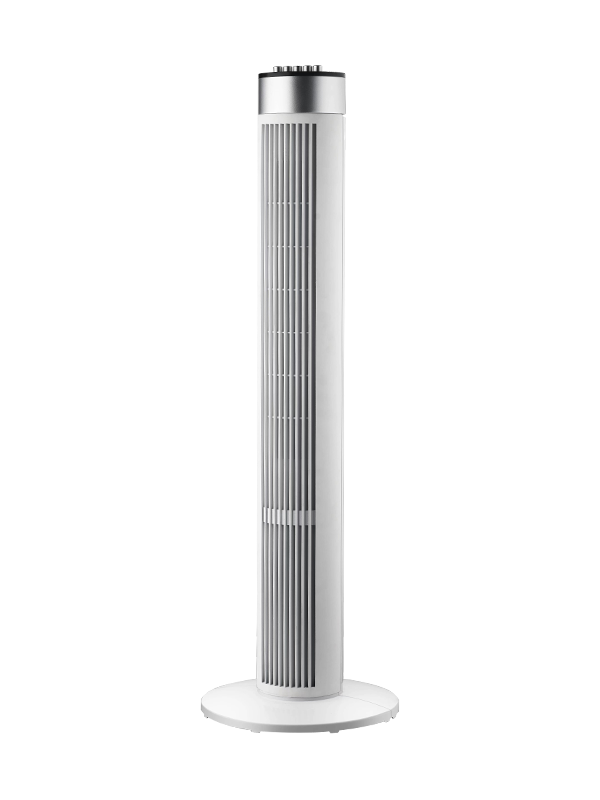
When choosing between a table fan and a tower fan, the short answer is: table fans offer stronger, more directional airflow at a lower price, while tower fans provide quieter, space-saving operation with more features. For most living rooms or bedrooms, a tower fan wins on aesthetics and convenience; for a desk or workshop, a table fan delivers better targeted cooling.
What Is a Table Fan and When Should You Use One?
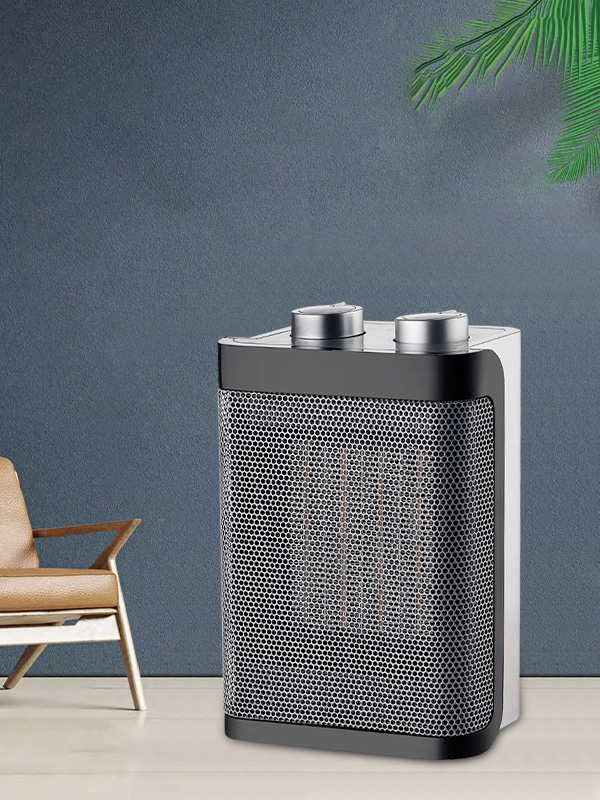
A circulation electric fan in table form typically features a compact, oscillating head mounted on a short base. It moves air in a concentrated stream — ideal for personal cooling at a desk, kitchen counter, or bedside table.
Key advantages of table fans include:
Higher airflow velocity — many 12-inch models push air at 1,200–2,000 CFM (cubic feet per minute)
Lower upfront cost — quality table fans start around $20–$50
Easy to reposition and carry between rooms
Simple controls, minimal maintenance
Best use cases: home office desks, small bedrooms, garages, or any spot where you need a strong, focused breeze within a few feet of your body.
What Is a Tower Fan and When Does It Make More Sense?
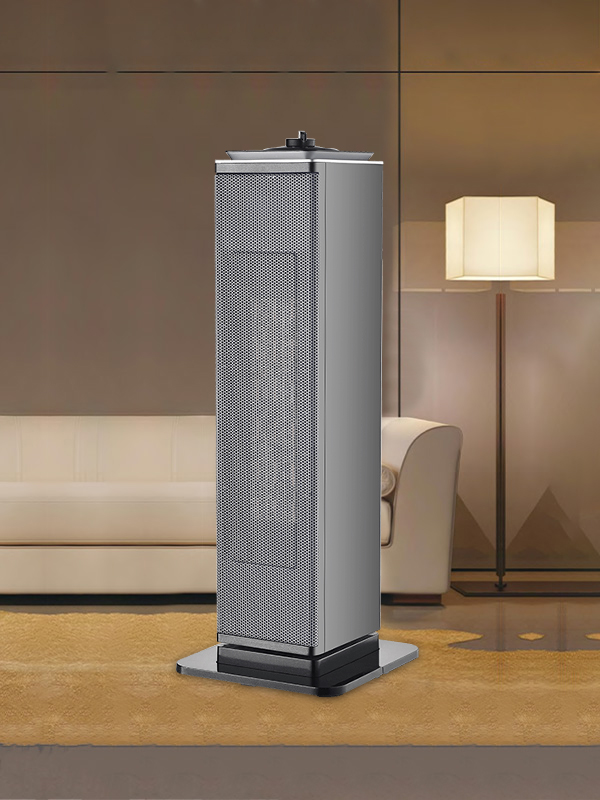
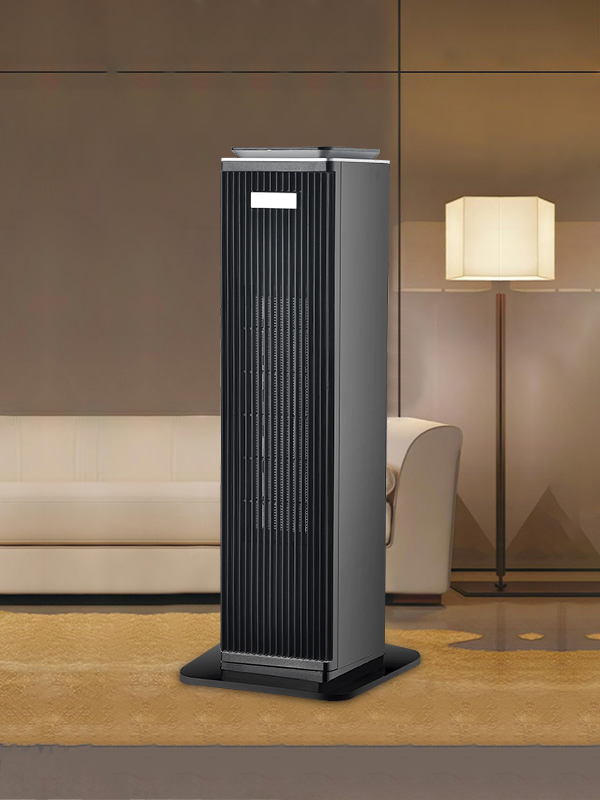
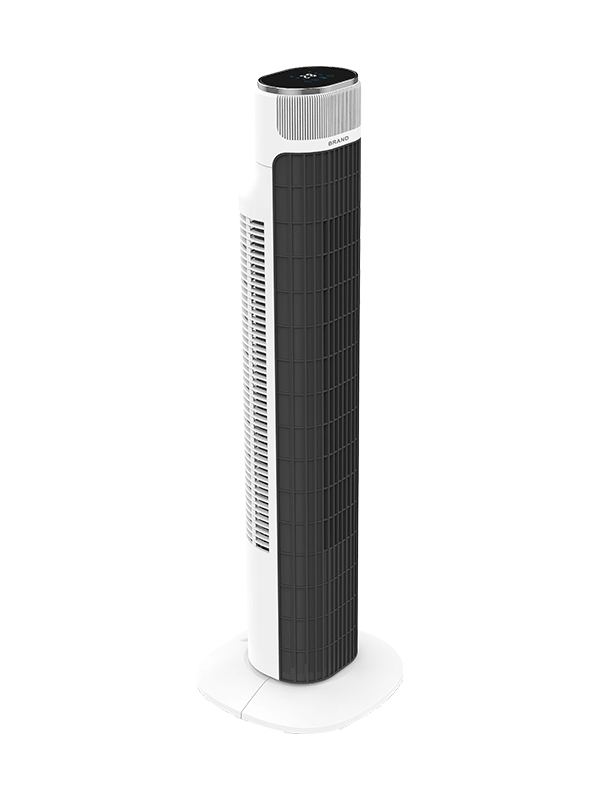
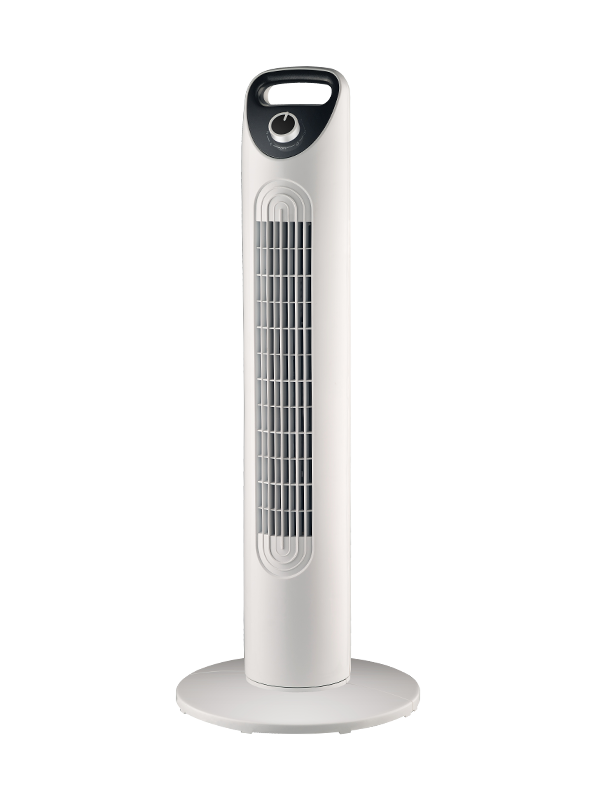
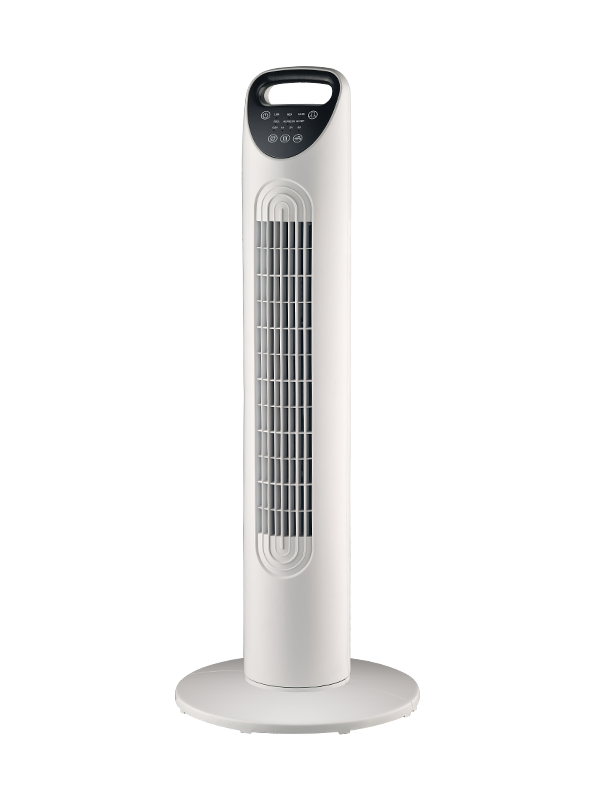
A tower fan stands upright — typically 30 to 50 inches tall — and distributes air in a wider vertical column across a room. The internal blower design means fewer exposed blades, making it safer around children and pets.
Tower fans are preferred for:
Living rooms and open-plan spaces where whole-room air circulation matters
Bedrooms — noise levels can be as low as 25–40 dB on the lowest setting, comparable to a whisper
Apartments with limited floor space — slim footprints under 10 inches wide
Users who want built-in timers, remote controls, or sleep modes
Table Fan vs Tower Fan: Head-to-Head Comparison
Feature
Table Fan
Tower Fan
Airflow Coverage
Targeted / directional
Wide vertical column
Noise Level
45–65 dB
25–55 dB
Typical Price Range
$20–$80
$50–$250
Footprint
Small, needs flat surface
Slim floor-standing
Smart Features
Rare on budget models
Common (Wi-Fi, remote, timer)
Energy Use (avg.)
30–50W
40–60W
Child/Pet Safety
Exposed blades (moderate risk)
Enclosed blower (safer)
Table Fan vs Tower Fan: side-by-side feature comparison to help you choose the right fan for your space
How Circulation Electric Fans Improve Room Comfort
Whether you choose a table or tower model, a circulation electric fan does not lower the temperature — it creates a wind-chill effect that makes you feel up to 4°F (2°C) cooler without changing the thermostat. This alone can reduce air-conditioning runtime by 15–20%, trimming electricity bills noticeably over a summer.
For maximum circulation in a room:
Place the fan near a window at night to draw in cooler outside air.
Angle it toward the center of the room — not directly at a wall.
Use oscillation mode to distribute airflow evenly across a larger area.
Pair with a ceiling fan spinning counter-clockwise in summer for layered circulation.
Tower Fan Buying Guide: What to Look For
Not all tower fans are equal. Here's what distinguishes a worthwhile model from a noisy disappointment:
Noise Rating
Look for models rated below 40 dB on the lowest speed. Brands like Dyson and Honeywell publish verified decibel data. Cheaper units often run at 55 dB even on low — barely noticeable during the day, but disruptive for sleep.
Number of Speed Settings
A minimum of 3 speeds is standard; premium models offer 8–12 settings, letting you fine-tune airflow without large jumps. More settings = better energy control.
Oscillation Angle
Most tower fans oscillate at 60° to 90°. Some high-end models like the Dyson TP09 offer 350° rotation, effectively turning the fan into a whole-room air circulator.
Air Purification Add-ons
Several tower fans now include HEPA or activated carbon filters, capturing particles as small as 0.3 microns. These are worth the premium ($150–$600) if anyone in the household has allergies or asthma.
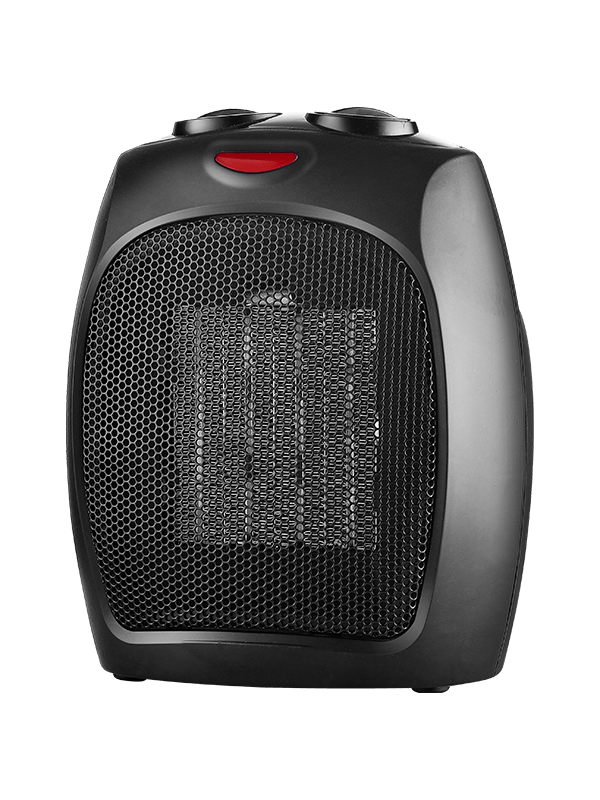
Ceramic Tower Heater: When You Need Year-Round Versatility
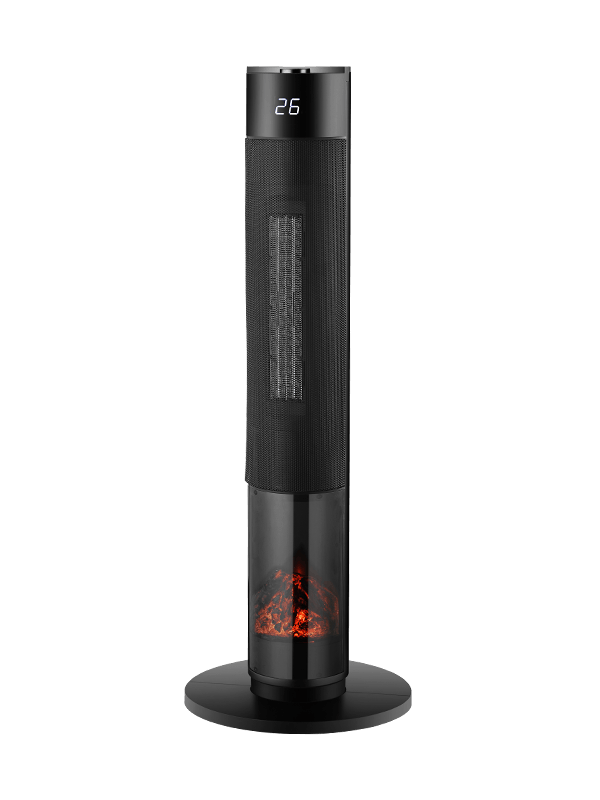
A ceramic tower heater combines the form factor of a tower fan with an integrated heating element — making it a single appliance for both summer cooling and winter warmth. This is an important consideration if storage space or budget limits how many appliances you can own.
How ceramic heating works: a PTC (Positive Temperature Coefficient) ceramic element heats up rapidly and self-regulates its temperature, which means it cannot overheat. Most ceramic tower heaters reach full operating temperature in under 3 seconds, versus 30–60 seconds for traditional coil heaters.
Ceramic Tower Heater vs Standalone Fan: Cost to Operate
Mode
Wattage
Cost per 8 hrs (@ $0.15/kWh)
Fan-only mode
45–60W
$0.05–$0.07
Low heat (750W)
750W
$0.90
High heat (1500W)
1500W
$1.80
Running cost comparison for a ceramic tower heater in different operating modes, based on a U.S. average electricity rate
For a small room (under 200 sq ft), a 750W ceramic heater is typically sufficient and cuts heating cost roughly in half compared to full power. Tip: always use the thermostat or eco-mode to prevent the heater from running continuously — most modern units will cycle on and off to maintain the set temperature.
Safety Features to Prioritize in a Ceramic Tower Heater
Tip-over auto-shutoff — shuts the unit down within 1–2 seconds if knocked over
Overheat protection — a thermal fuse that cuts power if internal temps exceed a safe threshold
Cool-touch housing — the outer cabinet stays below 90°F even at full heat, important in households with young children
ETL or UL certification — third-party safety testing verification, not just the manufacturer's claim
Which Should You Buy? Practical Decision Guide
Use this quick framework to match your situation to the right product:
Tight budget, personal use: A 12-inch table fan (~$25–$40) gives the best airflow per dollar.
Whole-room cooling, quiet nights: A mid-range tower fan ($80–$150) with a sleep mode and remote is the practical choice.
Year-round use, limited space: A ceramic tower heater with fan mode ($60–$130) replaces two appliances in one slim unit.
Allergies or air quality concerns: A tower fan with built-in HEPA filtration addresses both cooling and air purification simultaneously.
Households with toddlers or pets: The enclosed blower design of tower fans and ceramic tower heaters is meaningfully safer than exposed table fan blades.
No single product wins across all categories. The right fan depends on your room size, noise sensitivity, budget, and whether you also need heat in colder months. For most households buying one versatile unit, a ceramic tower heater covers more scenarios than a fan-only product — making it the highest-value single purchase if you live somewhere with distinct hot and cold seasons.

 en
en  English
 中文简体
中文简体 Español
 عربى
عربى русский