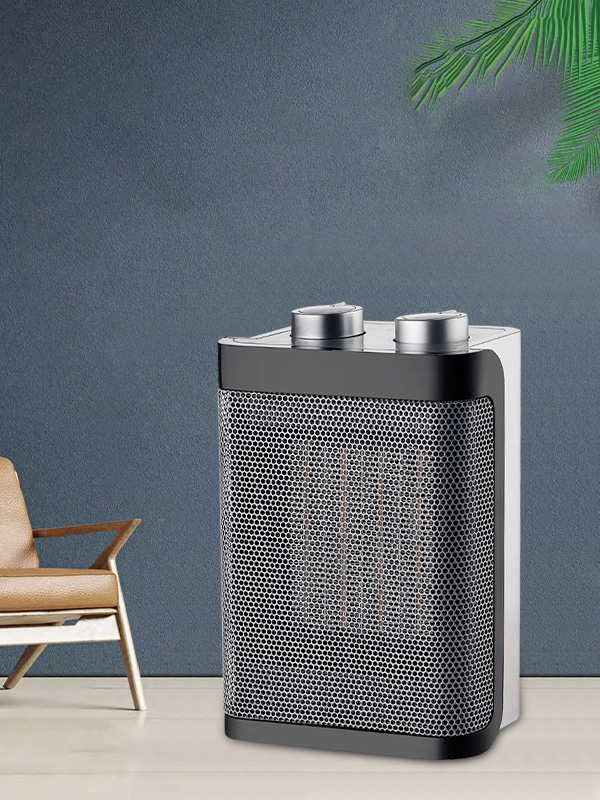
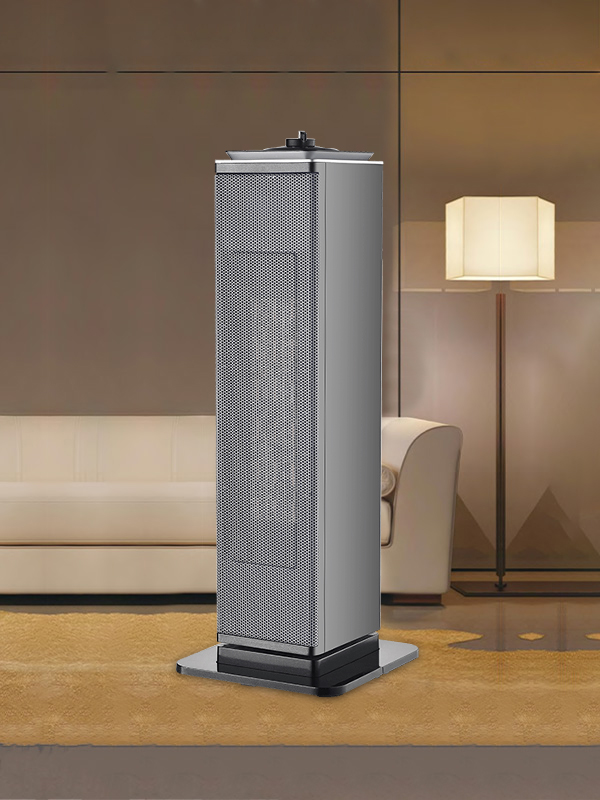
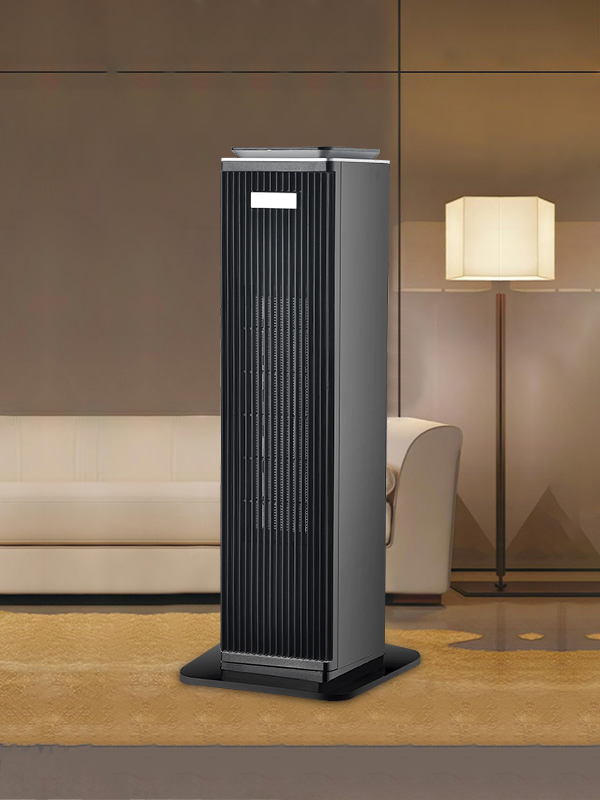
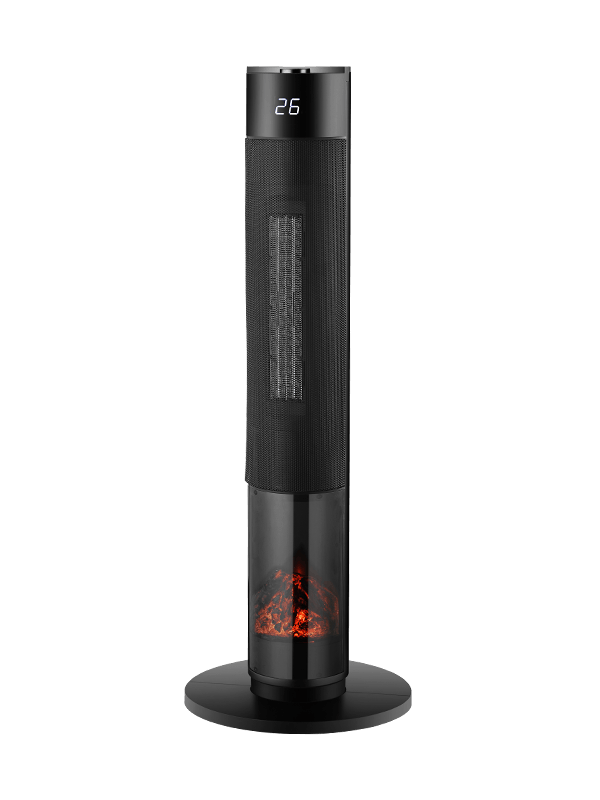
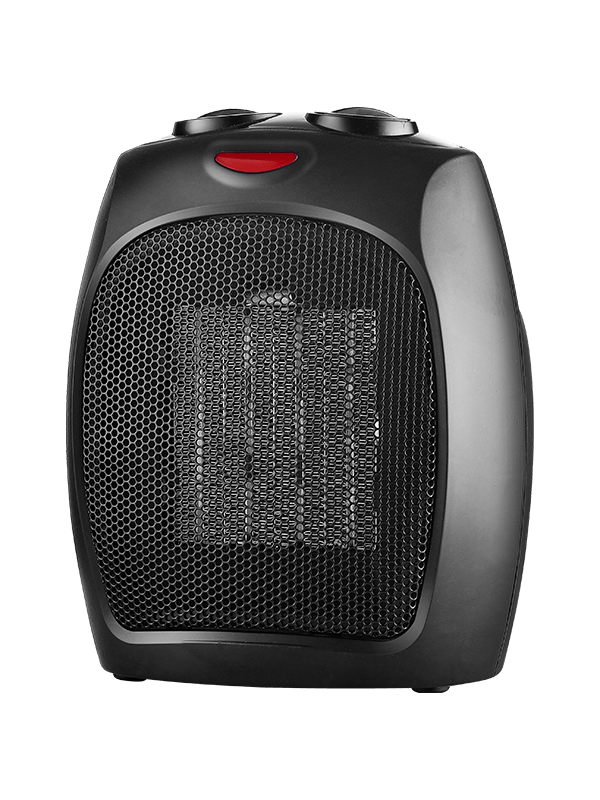
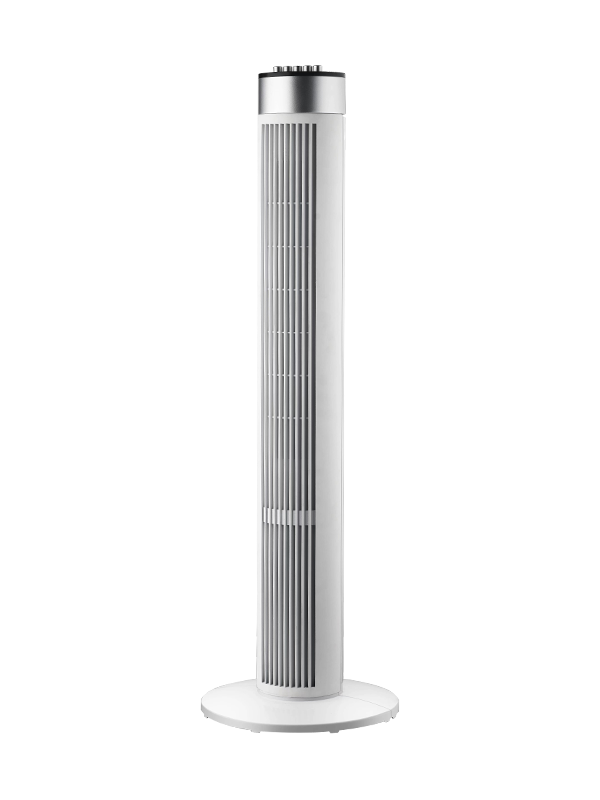
Only heaters specifically rated for bathroom use — such as bathroom fan heaters, infrared heaters, and heated towel rails — are legally permitted in bathrooms. Standard portable plug-in heaters are not allowed in bathrooms under electrical safety regulations in most countries. The type of heater permitted depends on where in the bathroom it is installed, defined by a zone system that governs how close electrical appliances can be to water sources.
Why Bathroom Heater Rules Exist: The Safety Case
Bathrooms combine two highly dangerous elements — electricity and water. Even minor moisture exposure to an unprotected electrical appliance can cause electric shock, short circuits, or fire. According to electrical safety statistics, bathrooms and kitchens account for a disproportionate share of domestic electrocution incidents, which is why national wiring regulations impose strict controls on what electrical equipment can be installed and where.
In the UK, bathroom electrical installations are governed by BS 7671 (IET Wiring Regulations, 18th Edition). In the EU, similar rules apply under IEC 60364-7-701. The US follows the National Electrical Code (NEC), particularly Article 210 and 406. All of these frameworks use a spatial zone system to specify what can be installed and where.
Understanding Bathroom Zones: Where Heaters Can Be Installed
Bathrooms are divided into zones based on proximity to water. Each zone has a minimum IP (Ingress Protection) rating requirement for any electrical product installed within it — including heaters.
Bathroom zones, their locations, and minimum IP ratings required for electrical equipment
Zone
Location
Minimum IP Rating
Heaters Permitted
Zone 0
Inside the bath or shower tray
IPX7
None
Zone 1
Above bath/shower up to 2.25 m height
IPX4
IPX4-rated fan heaters only (ceiling-mounted)
Zone 2
0–60 cm outside the bath/shower perimeter
IPX4
IPX4 fan heaters, infrared heaters, towel rails
Outside Zones
Beyond 60 cm from bath/shower
IP20 minimum
Most fixed heaters, fan heaters, panel heaters
The IP rating system uses two digits: the first refers to protection against solid particles, the second against water. IPX4 means the appliance is protected against water splashing from any direction — the minimum required for Zones 1 and 2. Always check the IP rating on the product label before purchasing a bathroom heater.
Types of Heaters Allowed in Bathrooms
Several heater types are approved for bathroom use, provided they carry the correct IP rating and are installed according to regulations. Here are the main options:
Bathroom Fan Heaters
A bathroom fan heater is one of the most popular and versatile choices. These units combine a heating element with a fan to rapidly circulate warm air around the room. They can heat a standard bathroom of 4–6 m² in under 3 minutes, making them highly efficient for quick warmth before or after showering.
Bathroom fan heaters are typically ceiling-mounted or wall-mounted and must be wired into a fused spur — not plugged into a standard socket. Units installed in Zone 1 must carry at least an IPX4 rating, while those in Zone 2 or outside zones may accept lower ratings. Many models also include a ventilation-only mode, functioning as an extractor fan to reduce condensation.
Infrared Panel Heaters
Infrared heaters work by emitting radiant heat that warms surfaces and bodies directly, rather than heating the air. They are highly efficient — converting up to 100% of electrical energy into usable heat — and are silent in operation. Bathroom-rated infrared panels must carry the appropriate IP rating for their installation zone and should be hardwired, not plug-in.
Heated Towel Rails
Electric heated towel rails are a dual-purpose solution — warming towels while also providing background heat to the bathroom. They are available as hydronic (connected to the central heating system) or purely electric models. Electric towel rails must be hardwired and carry an appropriate IP rating. Output typically ranges from 60W to 300W, making them better for maintaining warmth than rapidly heating a cold room.
Underfloor Heating
Electric underfloor heating mats are fully concealed beneath the floor finish and present no surface-level electrical risk. They are safe across all bathroom zones since all live components are sealed within the floor structure. While installation costs are higher — typically £500–£1,500 installed for a medium bathroom — underfloor heating provides the most comfortable and even heat distribution of any bathroom heating option.
Bathroom Panel Heaters
Slim electric panel heaters designed for bathroom use are wall-mounted and hardwired. They use convection to gradually warm the air and are well-suited for maintaining a steady ambient temperature rather than providing rapid heating. These must be installed outside Zone 1, usually on a wall away from the shower or bath enclosure.
Bathroom Fan Heater: What to Look For When Buying
A bathroom fan heater is the most commonly purchased bathroom heater type. Choosing the right model requires attention to several key specifications:
IP Rating: Must be at least IPX4 for Zone 1 or Zone 2 installation. Some premium models carry IPX5, offering higher protection against water jets.
Wattage: Most bathroom fan heaters range from 1,000W to 2,000W. A 1,400–1,500W model is typically sufficient for a standard UK bathroom of 5–8 m².
Thermostat and timer: Models with a built-in thermostat maintain a set temperature without cycling continuously, reducing energy consumption by up to 25% compared to non-thermostat models.
Dual function: Some bathroom fan heaters include a ventilation-only mode, which helps control humidity and reduce mold growth between uses.
Mounting type: Ceiling-mounted models are most common and keep the unit well away from direct splash contact. Wall-mounted models are also available for zones where they are permitted.
Noise level: Fan heaters vary considerably in noise output. Look for models rated under 40 dB if noise is a concern, particularly in smaller bathrooms where sound carries easily.
Heaters That Are Not Allowed in Bathrooms
Certain heater types are explicitly prohibited in bathrooms under UK and international wiring regulations, regardless of where in the room they would be placed:
Standard portable plug-in heaters: These require a standard 13A socket, which is not permitted inside a bathroom under BS 7671. Only shaver sockets (limited to 20W or 50W) are allowed inside the bathroom itself.
Oil-filled radiators: These are not designed for bathroom environments, carry no IP rating for wet areas, and must not be used in bathrooms.
Gas heaters and portable gas appliances: Gas appliances in bathrooms pose both electrocution and carbon monoxide risks. They are not permitted in bathrooms under building regulations in most countries.
Halogen heaters: These are not rated for wet environments and should never be used in bathrooms.
Extension lead-connected heaters: Even if the heater itself were rated for bathroom use, powering it via an extension lead run from a hallway socket is not safe and may be non-compliant.
Installation Rules: What the Regulations Require
Beyond choosing the right heater, installation must comply with electrical regulations. In the UK, bathroom electrical work falls under Part P of the Building Regulations, meaning most fixed heater installations must be carried out by a qualified electrician or notified to the local authority.
Key Installation Requirements
No standard sockets inside the bathroom: All bathroom heaters must be hardwired into a fused connection unit (FCU) or connected via a pull-cord switch — not a standard plug socket.
RCD protection required: All bathroom circuits must be protected by a Residual Current Device (RCD), which cuts power within milliseconds of detecting a fault. This is mandatory under BS 7671.
Zone compliance: The heater must carry the IP rating appropriate to the zone where it is installed. Installing an IP20-rated heater in Zone 2, for example, is a regulatory breach.
Correct fuse rating: The fused spur feeding the heater must carry the correct fuse rating — typically a 3A fuse for heaters up to 700W and a 13A fuse for units up to 3,000W.
Certification: In the UK, a Part P certificate (Building Regulations Compliance Certificate) should be issued upon completion of the installation. This is important for insurance and property sale purposes.
Comparing Bathroom Heater Types: Which Is Right for You?
Each bathroom heater type has different strengths depending on your priorities — quick warmth, energy efficiency, installation cost, or aesthetics.
Side-by-side comparison of permitted bathroom heater types across key practical factors
Heater Type
Heat-Up Speed
Running Cost
Install Cost
Best For
Bathroom Fan Heater
Very fast (1–3 min)
Moderate
Low–Moderate
Rapid warmth, small–medium bathrooms
Infrared Heater
Instant
Low
Moderate
Targeted warmth, energy efficiency
Heated Towel Rail
Slow (15–30 min)
Low
Low–Moderate
Background warmth, towel drying
Underfloor Heating
Slow (20–40 min)
Low–Moderate
High
Comfort, even heat, renovations
Panel Heater
Moderate (5–10 min)
Moderate
Low–Moderate
Steady ambient temperature
For most homeowners, a bathroom fan heater offers the best balance of performance, installation cost, and convenience — particularly where rapid warmth before a shower or bath is the priority. Those undertaking a full bathroom renovation may benefit from combining underfloor heating for comfort with a towel rail for practicality.

 en
en  English
 中文简体
中文简体 Español
 عربى
عربى русский