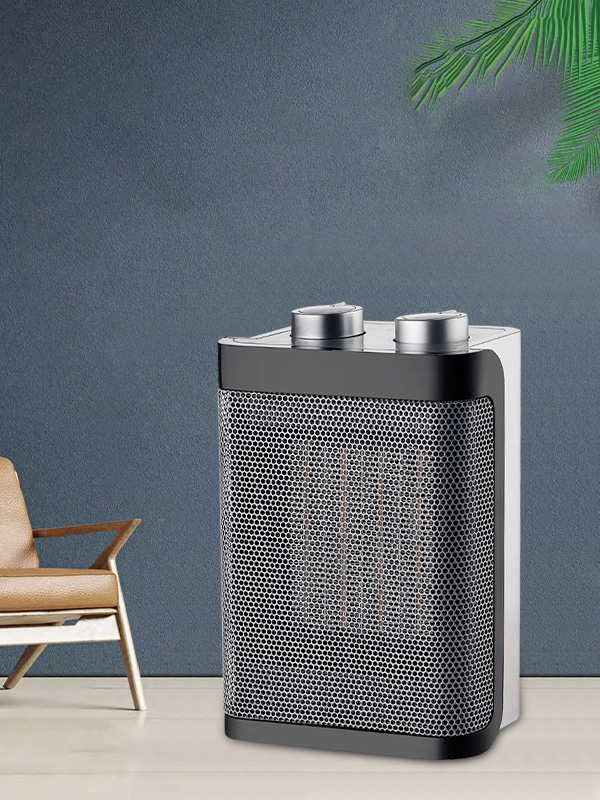
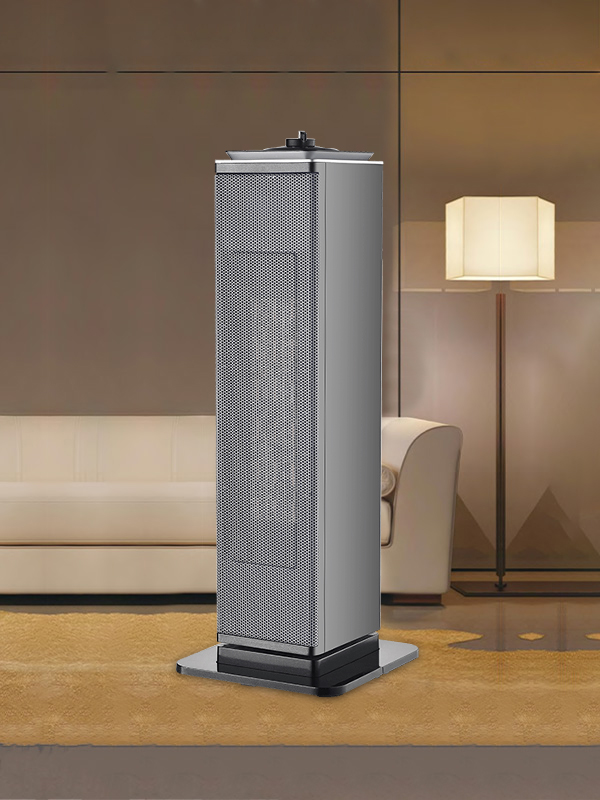
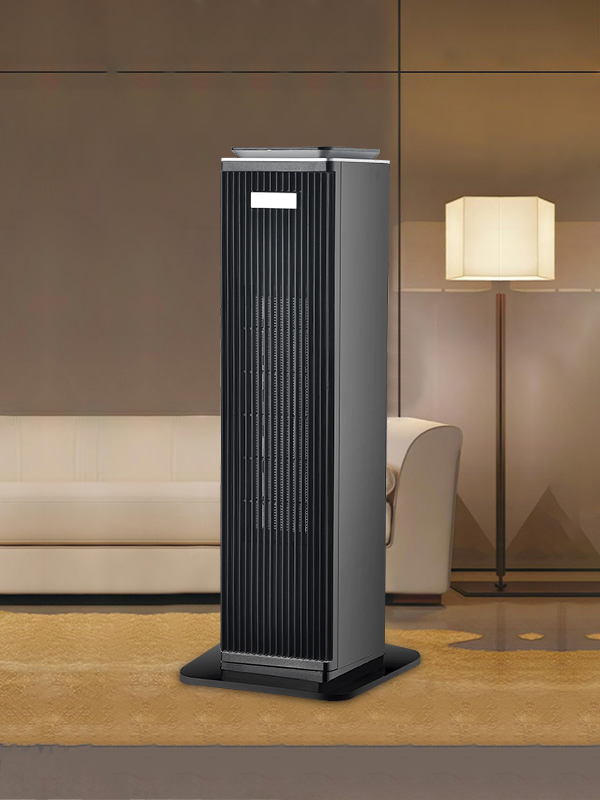
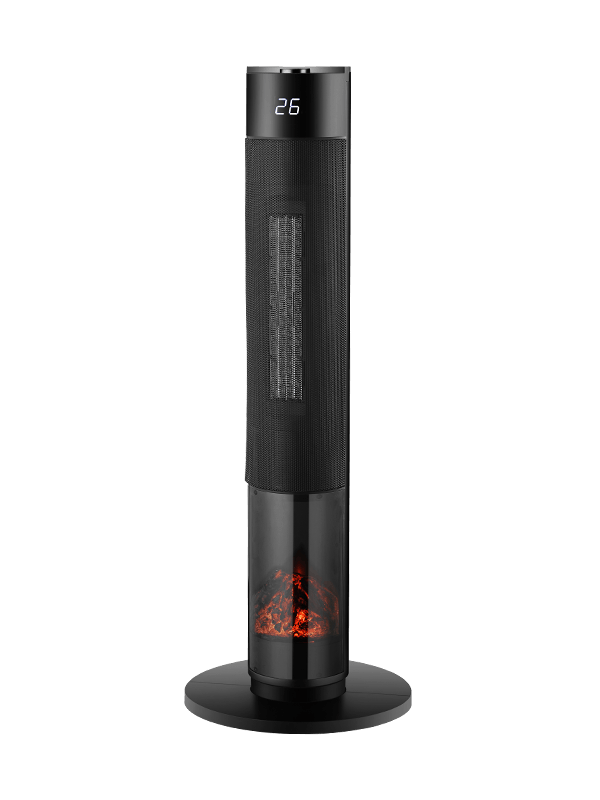
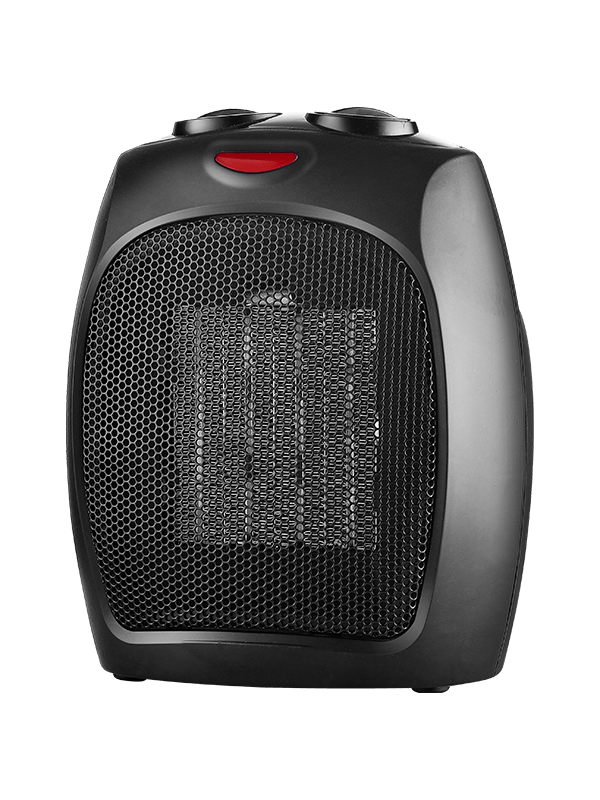
PTC stands for Positive Temperature Coefficient — a term that describes the self-regulating electrical property of the ceramic heating element at the core of these devices. A PTC heater is an electric heater that uses a special ceramic compound whose electrical resistance increases as its temperature rises, automatically limiting heat output and preventing overheating without any external thermostat or cutoff switch.
In practical terms, this means a PTC heater is inherently safer, more energy-efficient, and longer-lasting than conventional resistance heaters. Wall mounted PTC heaters apply this technology in a fixed, space-saving format — delivering consistent, room-level warmth without occupying floor space or posing a tip-over risk.
This article explains the science behind PTC heating, how wall mounted units differ from portable models, what to look for when buying one, and where they perform best.
The Science Behind PTC: How the Heating Element Actually Works
Conventional electric heaters use nichrome wire or other fixed-resistance metals. These elements heat up indefinitely unless an external thermostat or thermal fuse intervenes — which is why overheating failures and fire hazards are associated with older or cheaper resistance heaters.
PTC ceramic elements work on a fundamentally different principle. The material — typically barium titanate doped with rare-earth elements — has a precisely engineered Curie point, usually between 120°C and 180°C. Below this temperature, the ceramic conducts electricity well and generates heat. As the element approaches its Curie point, its electrical resistance rises sharply — in some formulations by a factor of 10,000 or more over a 10–20°C range. This dramatic resistance increase reduces current flow, which in turn reduces heat output. The element stabilizes at its rated temperature without any external control.
The result is a self-regulating feedback loop:
When the room is cold, the element runs at full power.
As ambient temperature rises, the element draws less current and produces less heat.
If airflow is blocked (e.g., covered by a curtain), the element temperature rises, resistance spikes, and power draw drops — preventing a fire hazard automatically.
This self-regulation is built into the material itself — it requires no sensors, no microcontroller, and no mechanical components to function.
PTC Heater vs Conventional Electric Heater: Key Differences
Understanding what sets PTC heaters apart from traditional alternatives helps clarify why they have become the dominant technology in modern electric space heaters.
Comparison of PTC ceramic heaters against conventional resistance and infrared heaters
Feature
PTC Ceramic Heater
Nichrome Wire Heater
Infrared Heater
Self-regulating
Yes
No
No
Overheat risk
Very low
Moderate to high
Low to moderate
Warm-up time
Under 30 seconds
30–60 seconds
Instant (radiant)
Air quality impact
Minimal
Burns dust, reduces humidity
Minimal
Energy efficiency
High
Moderate
High (zone only)
Surface temperature
60–80°C (outer casing)
Can exceed 200°C
Very high (element exposed)
Lifespan
10,000–30,000 hours
3,000–5,000 hours
5,000–10,000 hours
The lifespan advantage is significant: because PTC elements never overheat and operate within a narrow temperature band, they experience far less thermal stress than nichrome wire elements, which repeatedly cycle from cold to extreme heat and back.
What Is a Wall Mounted PTC Heater and How Does It Differ from Portable Models
A wall mounted PTC heater uses the same ceramic PTC element technology but is fixed permanently or semi-permanently to a wall, typically between 1 and 1.5 metres above floor level for optimal heat distribution. This installation height allows warm air to fall naturally across the room while keeping the unit safely above floor-level contact.
The main advantages of wall mounting over portable placement include:
Eliminated tip-over risk: Portable heaters are involved in approximately 1,700 house fires per year in the UK alone, with tip-overs being a leading cause. A wall-fixed unit removes this risk entirely.
Consistent room coverage: Mounted at height, the heater distributes warm air across a wider area than a floor-level portable unit, which heats unevenly and creates cold zones near the ceiling.
Freed floor space: Valuable in small rooms, hallways, bathrooms, and conservatories where floor space is limited.
Permanent wiring options: Higher-output wall mounted PTC heaters (2,000W+) are often hardwired directly into the mains rather than plugged in, eliminating trailing cables.
Integrated controls and timers: Fixed installation allows for built-in programmable thermostats, weekly timers, and smart home integration that portable units rarely offer at the same quality level.
Wall mounted PTC heaters typically range from 500W to 3,000W, with most residential models rated at 1,000W or 2,000W. A 2,000W unit is generally sufficient to heat a well-insulated room of up to 20–25 m².
Safety Features That Make PTC Wall Heaters Suitable for High-Risk Rooms
The self-regulating nature of PTC technology is the foundation of its safety profile, but modern wall mounted PTC heaters typically add several layers of additional protection:
Overheat protection (OTP): An independent thermal cutout that shuts the unit down if the casing temperature exceeds a set threshold — typically 85–90°C — as a backup to the PTC element's self-regulation.
Cool-touch casing: Outer surface temperatures on quality PTC wall heaters stay below 60°C even at full power — warm to the touch but not capable of causing burns on brief contact.
IP-rated models for bathrooms: Many wall mounted PTC heaters carry an IP24 or IP44 rating, meaning they are splash-proof and suitable for installation in bathrooms, where standard heaters cannot safely be used.
Child lock: Prevents settings from being changed by children — important in family homes and nurseries.
Open-window detection: Smart models can detect a rapid temperature drop (indicating an open window) and temporarily reduce output to avoid wasting energy heating the outdoors.
These combined features make wall mounted PTC heaters one of the safest electric heating solutions available for bedrooms, children's rooms, bathrooms, and elderly care settings.
Energy Efficiency of PTC Heaters: What the Numbers Actually Mean
All electric heaters convert electricity to heat at close to 100% efficiency — this is a fundamental principle of thermodynamics. So in raw conversion terms, a PTC heater is no more efficient than a nichrome wire heater of the same wattage. The real efficiency advantage of PTC technology is behavioral, not thermodynamic.
Here is where the practical savings come from:
Reduced overconsumption: A fixed-resistance heater runs at full wattage until its external thermostat cuts it off. A PTC element automatically dials back power draw as the room warms — consuming only what the conditions actually require.
Faster response to thermostat calls: Because PTC heaters reach operating temperature in under 30 seconds and self-regulate precisely, they spend less time cycling between full-on and full-off states, reducing energy waste from thermal overshoot.
Programmable timer integration: Wall mounted units with built-in weekly programmers allow heating to run only during occupied hours — studies suggest this alone can reduce space heating energy use by 20–30% compared to continuous or manually controlled heating.
At the UK average electricity rate of approximately 24p/kWh (2024), a 1,000W wall mounted PTC heater running for 4 hours daily costs roughly £0.96 per day or £29 per month. With smart programming and PTC self-regulation, real-world consumption is typically 15–25% lower than this theoretical maximum.
Best Use Cases for Wall Mounted PTC Heaters
Wall mounted PTC heaters are not always the right tool for every heating need. They perform best in specific scenarios:
Supplementary Heating for Individual Rooms
Whole-house central heating is expensive to run for a single occupied room. A wall mounted PTC heater in a home office, bedroom, or living room allows one room to be kept warm while the central system runs at a lower setting — a strategy known as zone heating that can reduce overall heating bills by 10–20%.
Bathrooms and Wet Rooms
IP-rated wall mounted PTC heaters are one of the few safe electric heating options for bathrooms. Their cool-touch casing and enclosed element design eliminate the ignition and electrocution risks associated with open-element heaters in humid environments.
Conservatories and Garden Rooms
Spaces with poor insulation and variable occupancy benefit from the rapid warm-up time of PTC technology. A 2,000W wall mounted unit can bring a well-glazed conservatory of 15 m² from cold to comfortable in 15–20 minutes, making it practical to heat only when in use.
Hallways, Landings, and Circulation Areas
These narrow spaces are often under-heated by central systems and are poor environments for portable heaters due to foot traffic. A compact wall mounted PTC unit at high level heats the space without obstructing movement or creating a hazard.
What to Look for When Buying a Wall Mounted PTC Heater
The market for wall mounted PTC heaters ranges from budget plug-in panel units to hardwired smart heaters. Evaluate these factors before purchasing:
Wattage vs room size: As a general rule, allow approximately 100W per m² for a well-insulated room, or 150W per m² for a poorly insulated or high-ceiling space. Oversizing wastes money; undersizing means the heater runs continuously without achieving comfort temperature.
Thermostat accuracy: Cheaper units use basic bimetal thermostats with ±3–5°C variance. Better models use electronic thermostats accurate to ±0.5°C, which maintain more consistent room temperatures and use less energy through reduced cycling.
IP rating for wet areas: Minimum IP24 for bathrooms outside the specified hazard zones; IP44 or above for areas subject to direct water spray.
Programmable timer: A 7-day programmable timer with multiple daily periods is the single most impactful feature for reducing running costs in regularly occupied rooms.
Smart connectivity: Wi-Fi enabled PTC heaters can be controlled via smartphone app or integrated with systems like Google Home or Amazon Alexa — useful for pre-heating a room before arrival or monitoring energy use remotely.
Installation type: Decide between plug-in (quick, flexible, limited to lower wattages) and hardwired (cleaner install, suitable for higher outputs, requires an electrician).
Installing a Wall Mounted PTC Heater: Key Considerations
Correct installation directly affects both performance and safety. Follow these guidelines:
Mount height: Install between 100cm and 150cm above floor level. Too low and heat stratifies near the floor; too high and the unit heats the ceiling zone rather than the occupied space.
Clearance: Maintain a minimum of 30cm clearance above and to the sides of the unit, and at least 50cm in front. Curtains, furniture, or shelving within this zone will trigger the overheat protection and reduce efficiency.
Wall type: Use appropriate fixings for the wall substrate. Hollow partition walls require cavity anchors rated for the heater's weight; masonry walls need correctly sized rawl plugs. Most wall mounted PTC heaters weigh between 1.5kg and 5kg.
Electrical supply: Units above 2,000W should ideally be on a dedicated circuit. Sharing a high-wattage heater on a ring main with other high-draw appliances risks tripping the circuit breaker.
Bathroom installations: In the UK, any electrical work in a bathroom must comply with Part P of the Building Regulations and should be carried out or certified by a qualified electrician. Zone restrictions apply — check the unit's IP rating against the specific installation zone before purchasing.

 en
en  English
 中文简体
中文简体 Español
 عربى
عربى русский