 en
 English
 中文简体
 Español
 عربى
 русский

News
Home / News / Industry News / how many square feet will 5kw heat: Practical Applications, Selection, Performance
We are a professional heater supplier.
Content
If you’ve been looking for an answer to “how many square feet will 5kw heat,” you’re probably deciding whether a 5kW heat strip, electric furnace, or room heater is right for your space. A 5kW unit is a common choice for small homes, apartments, workshops, and auxiliary heating. In normal conditions, a 5kW heater will cover about 500 to 900 square feet, depending on insulation, climate, and ceiling height.
That range may seem broad, and it is. The only way to know for sure is to look beyond watts and square footage. In this guide, we’ll explain what 5kW means in practical heat output, how to estimate your own coverage area, and where a 5kW unit fits best.
“5kW” is an electrical input rating. In a resistive heating element, almost every watt of electricity becomes heat. That means a 5kW element produces about 5,000 watts of heat. When you convert that to the HVAC standard, one kilowatt is equal to 3,412 British thermal units per hour (BTU/h). So a 5kW heat strip delivers roughly 17,065 BTU/h.
This is significantly more than a typical 1,500-watt space heater, which produces only about 5,118 BTU/h. A 5kW element is often installed as a backup heat strip in an air handler, letting a heat pump or central air system provide quick warm-up when outdoor temperatures drop.
| Heater Size | Heat Output (BTU/h) | Typical Coverage |
|---|---|---|
| 1.5 kW | 5,118 | 150–250 sq ft |
| 2 kW | 6,824 | 200–350 sq ft |
| 5 kW | 17,065 | 500–900 sq ft |
| 7.5 kW | 25,598 | 750–1,200 sq ft |
| 10 kW | 34,120 | 1,000–1,500 sq ft |
Using a common rule of thumb of 5 to 8 watts per square foot, a 5,000-watt heater should cover 625 to 1,000 square feet. In real-world conditions, however, most homes will settle into a more modest range:
So the honest answer to “how many square feet will 5kw heat” is that you should plan for 500 to 900 square feet, then fine-tune based on your home’s heat loss.
In areas where winter temperatures rarely fall below freezing, a 5kW unit can handle a larger area because the temperature difference between indoors and outdoors is small. In northern regions with design temperatures near or below 0°F, heat loss accelerates, and the same 5kW unit may only manage 500 square feet or less.
Insulation is the biggest variable. A home with modern wall insulation, a sealed attic, and good windows will hold onto heat far better than an older house with single-pane glass and drafty gaps. Pay attention to air leaks around doors, windows, and electrical outlets—they can silently remove a surprising amount of heat.
Square footage alone does not capture the volume you need to heat. A 10-foot ceiling adds 25% more air to the room compared to an 8-foot ceiling. Open staircases, breakfast bars, and doorways without doors can also pull heat out of the main living area, making it harder for one 5kW unit to keep up.
Large windows lose heat at night and gain heat during the day if they face south. North-facing rooms with little sunlight may need more heat, especially in winter. Furniture and curtains can also block airflow, so consider whether the warm air can actually reach the whole space.
If you want a number that feels more reliable than a general range, use this simple four-step process:
For example, a 1,000-square-foot home with average insulation would need about 6,000 watts. That means a single 5kW element would be slightly undersized. The same home with excellent insulation would need only 5,000 watts, making 5kW exactly right.
When you’re comparing running costs, it helps to see how much a heater costs to run before you make a decision.
A 5kW heat strip is best suited to an apartment, a well-insulated small house, a single large room, or as a secondary heat source. It can also be a good solution for a garage or workshop where you need fast warm-up for a contained space. If you are trying to heat a large open-plan home with poor insulation or cathedral ceilings, a 7.5kW or 10kW element is usually a safer choice.
For individual rooms, a wall-mounted heater in the 1,000W to 2,000W range can often provide more balanced comfort than relying on a single central heat strip. Because you can zone the heating, you avoid keeping unused rooms at the same temperature.
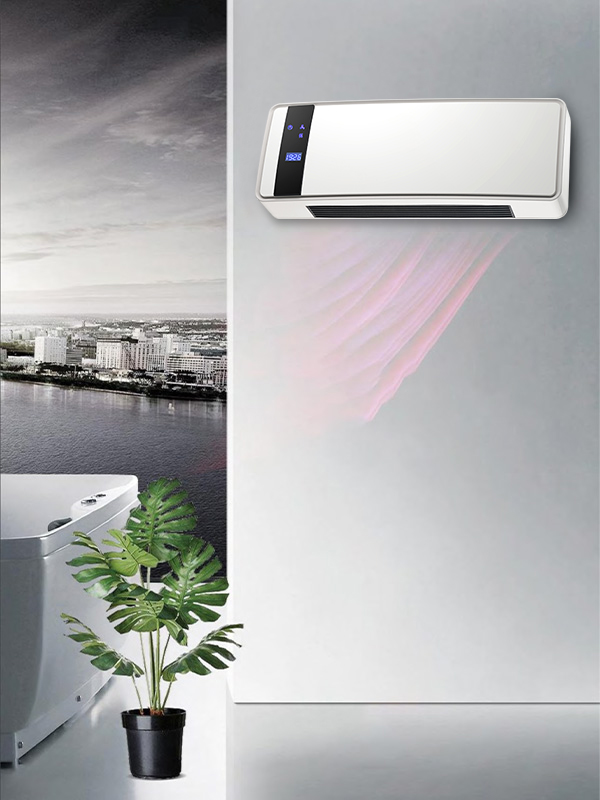 BPT-2000B Wall-Mounted PTC Ceramic Heater with Smart ControlsThis wall-mounted heater provides zoned warmth for individual rooms, with dual power levels, timers, and safety features to enhance comfort and efficiency.View Product →
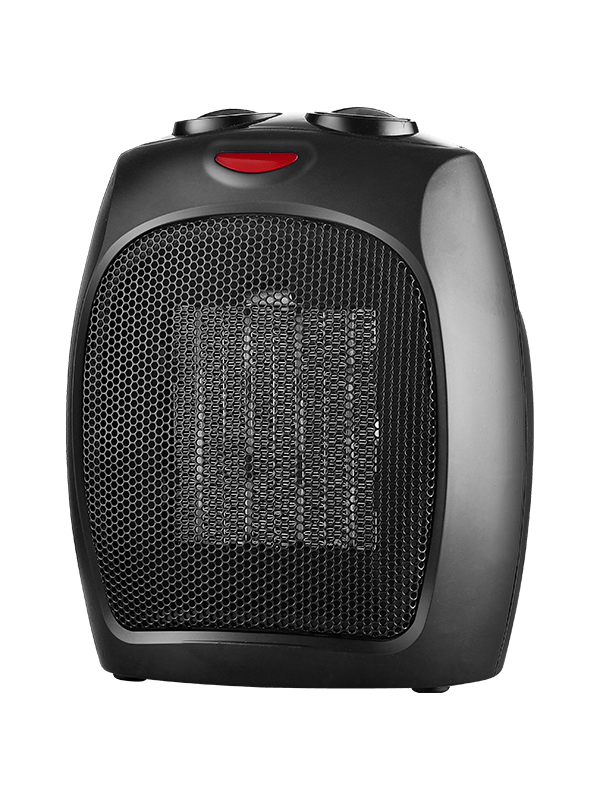
For spot heating in a workshop or home office, a portable PTC ceramic heater is an efficient way to warm the area around your desk without raising the temperature throughout the whole house.
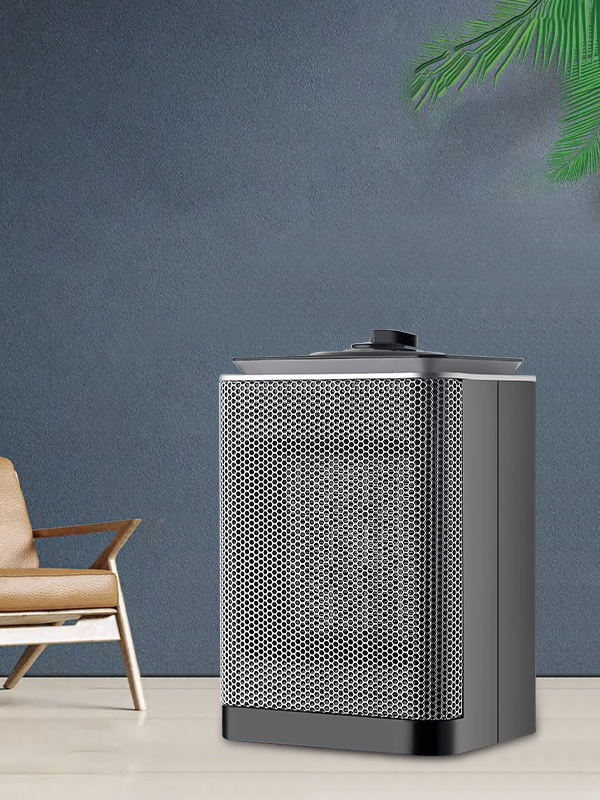 HPC-D1504YL Portable Oscillating PTC Heater with ThermostatA portable PTC heater ideal for spot heating, offering adjustable power and oscillation to warm your workspace cost-effectively without heating the whole house.View Product →
Electric resistance heating is close to 100% efficient at converting electricity into heat, but that does not mean it is cheap to run. A 5kW heater running for one hour uses 5 kilowatt-hours of electricity. At a typical rate of $0.15 per kWh, that works out to $0.75 per hour. Run it for eight hours a day, and the monthly cost becomes noticeable.
Using a thermostat or timer is essential. Many modern heaters include eco modes, programmable timers, and temperature control that stop the element from running continuously. This is where smarter product design makes a real difference in energy bills.
As a heating manufacturer, we’ve seen over and over again that the most comfortable and economical homes use right-sized heaters in the rooms people actually occupy. A 5kW heat strip may be the right backbone for one house, while a pair of 2kW wall-mounted heaters makes more sense in another. Our team designs both portable and fixed heating solutions with that kind of flexibility in mind. You can learn more about our design and manufacturing experience to see how we approach real-world heating performance.
Your email address will not be published. Required fields are marked *
Copyright © Cixi BEILIGE Electric appliance Co.,Ltd. All Rights Reserved