 en
en  English
 中文简体
中文简体 Español
 عربى
عربى русский
News
Home / News / Industry News / How Effective Are Space Heaters? An Honest Guide From Electric Heater Makers
We are a professional heater supplier.
Content
Standing in a cold room with a space heater humming at your feet, it is fair to wonder whether the machine is really doing anything useful, or just stirring the air while the electricity meter spins. We have been building electric heaters since 1981, so here is the honest answer: space heaters work, and they work well at a fairly specific job. Problems usually appear when people ask them to do a different one.
This article covers what "effective" actually means, where electric heating is hard to beat, where it quietly disappoints, and how to get more warmth out of every watt you pay for.
Two different questions hide inside that one, and they have different answers.
The first is conversion. How much of the electricity a heater draws actually ends up as heat in the room? For any resistive electric heater, whether ceramic, coil, oil-filled, panel or infrared, the answer is essentially all of it. No heat escapes up a flue or a chimney. In that narrow technical sense, a space heater is close to 100% efficient, which is why you sometimes see figures like 99% printed on a carton.
The second question is usefulness. Does the heat reach you quickly, stay where you want it, and cost less than the alternative? That depends on airflow, thermostat control, room size, insulation and how long you run it. This is where two heaters with identical wattage can feel like completely different products. Our own guide to how space heaters work goes deeper into the mechanics if you want the technical version.
Very effective as zone heaters, considerably less effective as whole-home heating. That distinction matters more than any efficiency label on the box.
A common rule of thumb is 10 watts of heating power per square foot of floor area. A 1500W heater therefore suits roughly 150 square feet in a room with average insulation and a standard ceiling height. Push it much beyond that and you are asking a small appliance to heat a space it was never sized for. The room will warm slowly, if at all, and the heater will run constantly trying.
Speed matters too. A fan-forced ceramic or PTC heater usually feels warm within one to three minutes, because moving air carries heat to you instead of letting it drift up to the ceiling. An oil-filled radiator can take fifteen to twenty minutes to reach temperature, but it keeps releasing warmth after you switch it off, which many people find more comfortable over a long evening.
Where space heaters genuinely struggle is recovery. If a room has been cold for days, or a large open-plan space is losing heat through single glazing, a portable heater will run continuously and still only take the edge off. Sealing draughts and closing doors often improves comfort more than buying a bigger heater.
Since every electric heater converts electricity to heat at close to the same rate, the practical differences come down to how the heat is delivered and how long it stays useful.
| Heater type | How it delivers heat | Time to feel warm | Suits best |
|---|---|---|---|
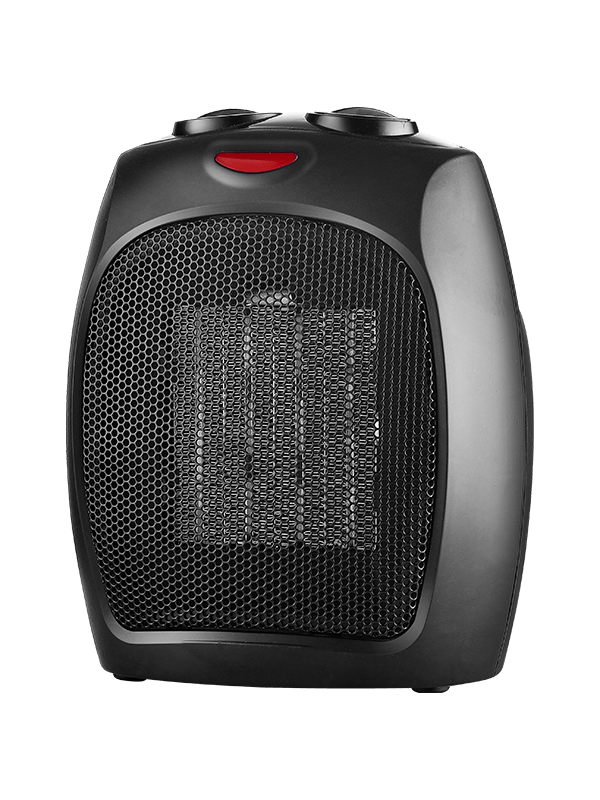
| Ceramic PTC fan heater | Fan pushes air across a self-regulating PTC element | 1 to 3 minutes | Fast spot heating, bedrooms, home offices |
| Coil fan heater | Fan blows air over a glowing metal element | 1 to 2 minutes | Quick blasts of heat in workshops and utility rooms |
| Oil-filled radiator | Oil heats up and radiates warmth into the room | 15 to 20 minutes | Long, quiet sessions in bedrooms and studies |
| Infrared or radiant heater | Warms people and objects directly rather than the air | Seconds | Spot warmth for one person in a draughty space |
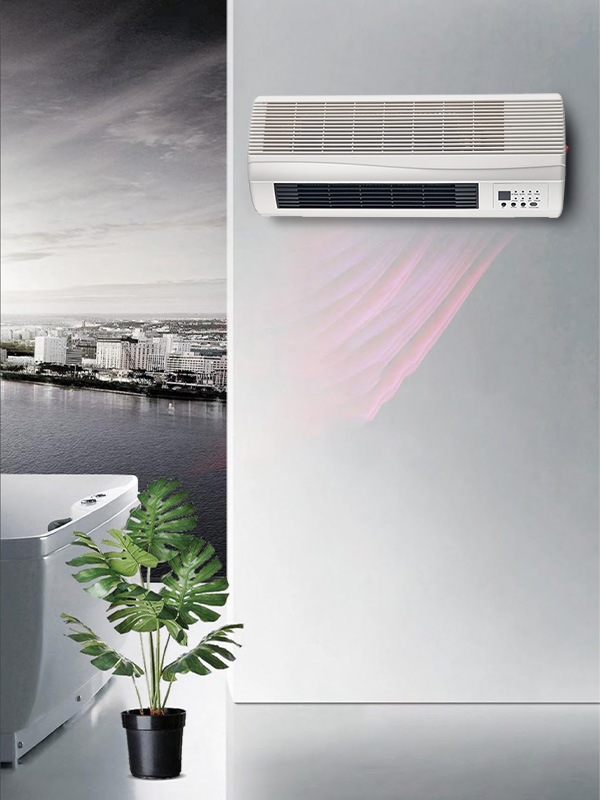
| Wall-mounted PTC panel | PTC element with gentle convection, fixed to the wall | 3 to 5 minutes | Permanent room heating where floor space is tight |
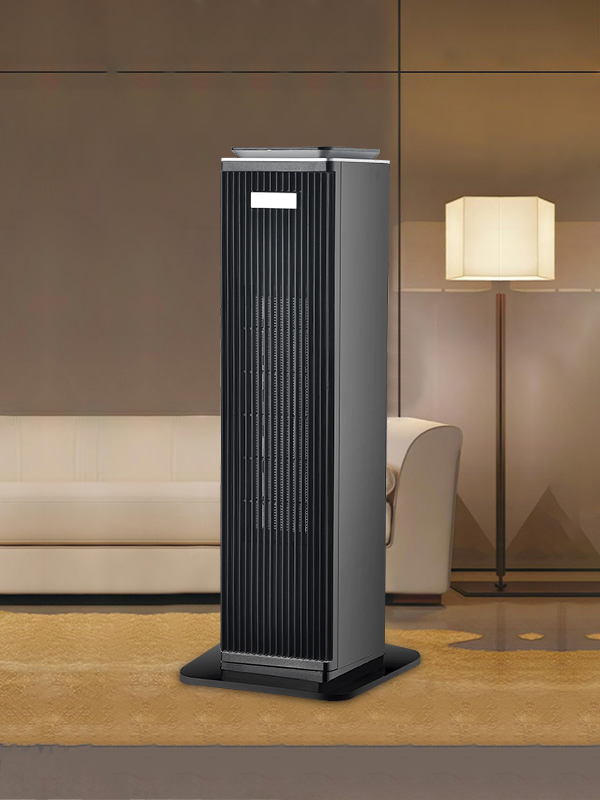
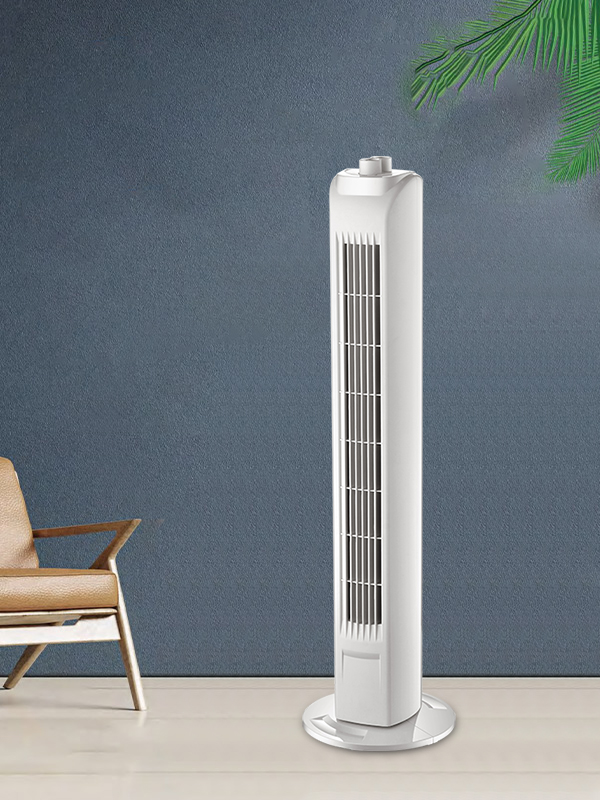
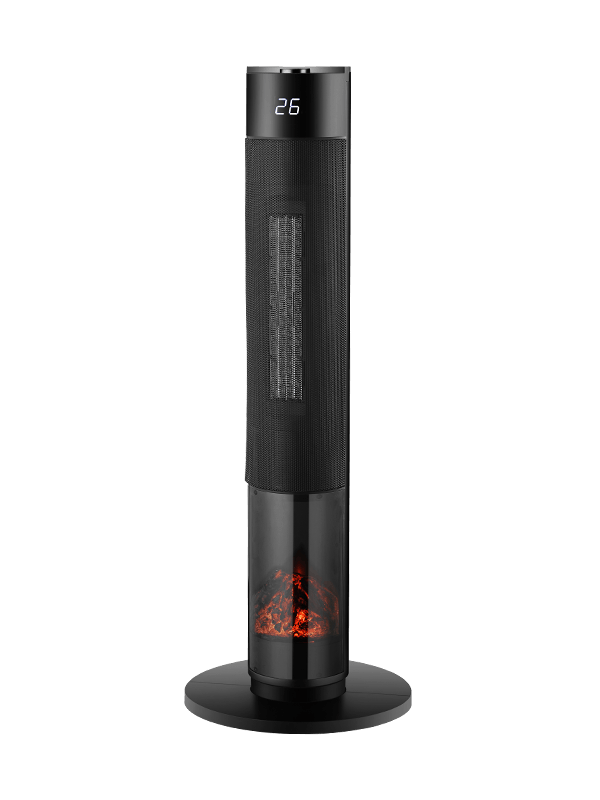
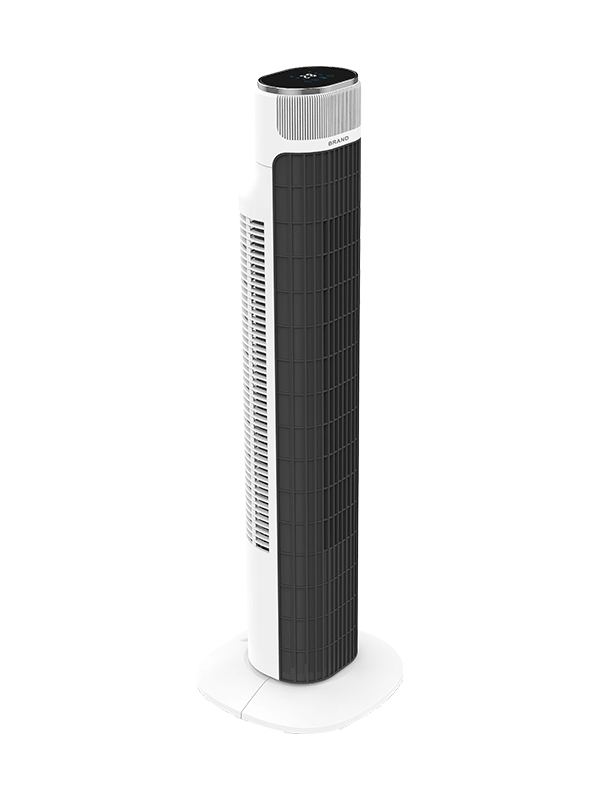
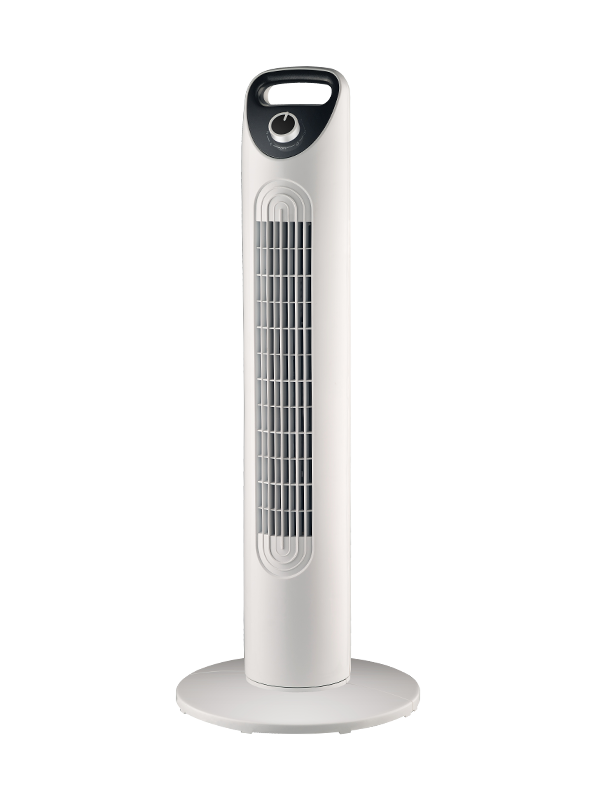
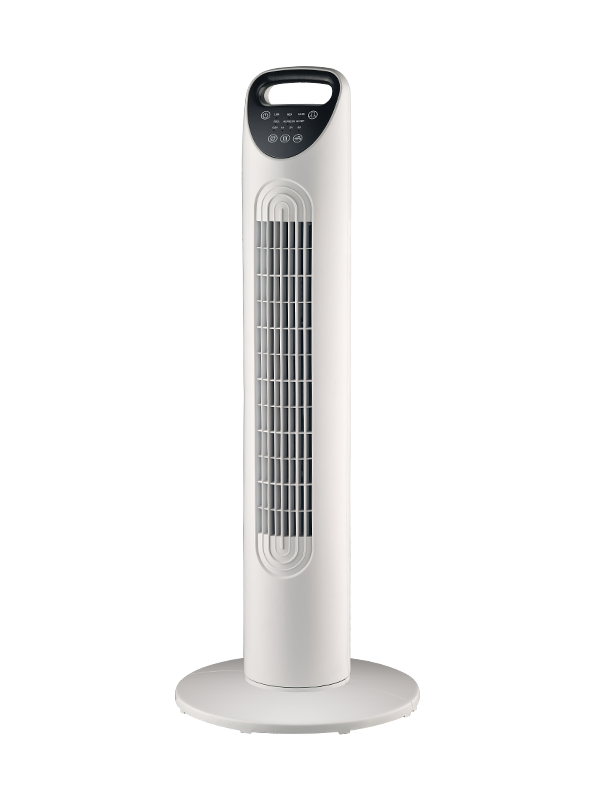
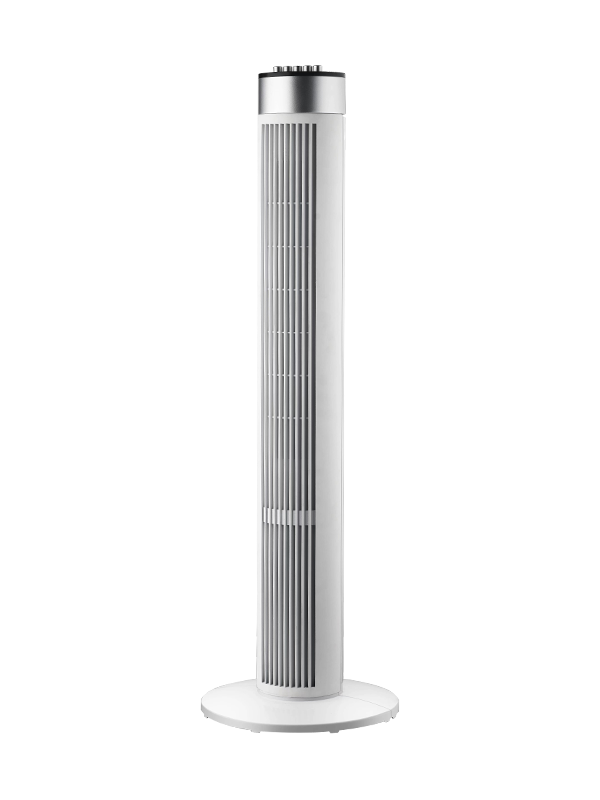
| Tower fan heater | Tall oscillating column pushes warm air sideways | 2 to 4 minutes | Living rooms, wider coverage, remote control |
| Bathroom wall heater | Sealed, splash-resistant element with forced air | 2 to 4 minutes | Bathrooms, damp rooms, drying towels |
If your goal is a warm seat on a cold morning, a radiant heater wins. If your goal is a comfortable, evenly warmed room for hours, a convection or fan type is the better choice.
Wattage tells you how much electricity a heater uses, not how pleasant the result will be. Several design details change the experience:
The most effective heater in the world cannot compensate for a room that leaks heat. Four things make the biggest difference:
As a rough guide, one kilowatt-hour of electricity is one kilowatt-hour of heat, whatever the heater looks like. Multiply the wattage by the hours you actually use, then by your local rate, and you will know the real running cost before you buy.
A heater that you switch off out of worry is not effective at all. The features worth insisting on are tip-over cut-off, overheat protection, a cool-touch housing and an appropriate IP rating if the heater goes anywhere near water.
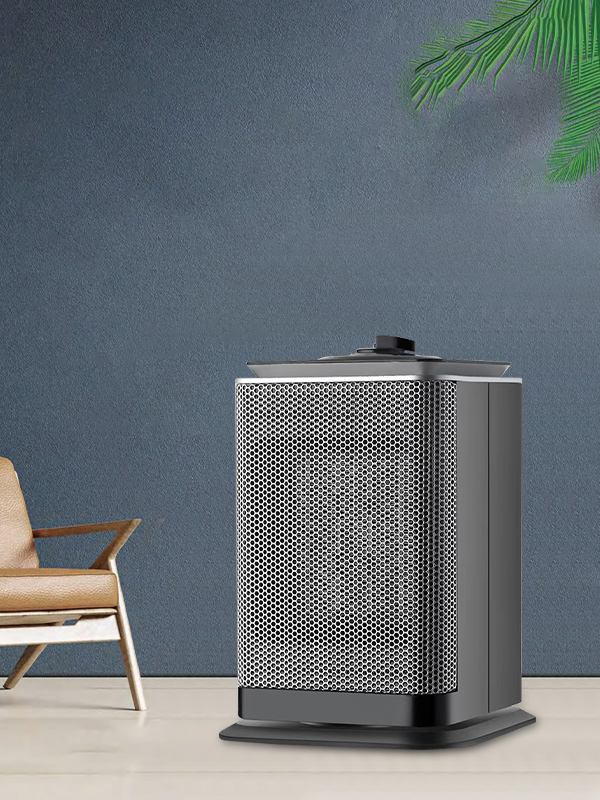 Portable PTC Heater with Automatic Temperature Control and Tip-Over ProtectionA safety-focused portable choice with automatic temperature control, tip-over and overheat protection, oscillation, and 750W/1500W settings for flexible room heating.View Product →
That model is a fair example of how the details add up: automatic temperature control keeps the room steady, the tip-over switch cuts power if it is knocked, and the oscillating outlet spreads warmth instead of aiming it at one spot.
Once you accept that a space heater is a zone heater, choosing becomes much simpler.
Bathrooms need splash-resistant construction and enough output to warm the space quickly, since nobody lingers there for an hour. Wall-mounted models save floor space, and some include a towel rail so the appliance earns its place year round.
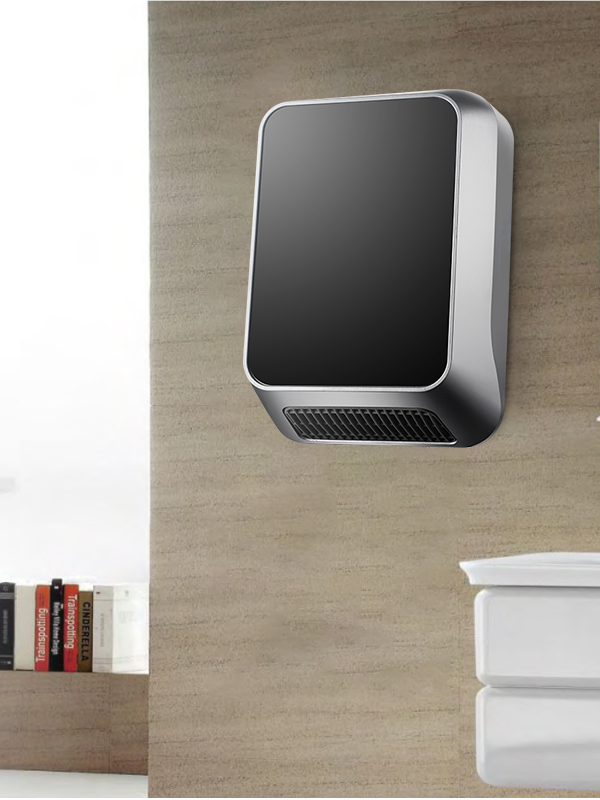 Wall-Mounted Bathroom Heater with LED Touch Screen and TimerA 2000W wall-mounted bathroom heater with touch control, adjustable temperature, overheat protection, and timer for preset, automatic shut-off warmth.View Product →
Quiet operation and a reliable timer matter more than raw power here. A portable PTC unit on a low setting, with the thermostat holding a steady temperature overnight, is usually more comfortable than a powerful heater cycling on and off.
If you want a room that stays warm without a cable across the floor, a wall-mounted heater is the tidier answer. It frees up space, sits out of reach of children and pets, and suits offices, hallways and converted rooms.
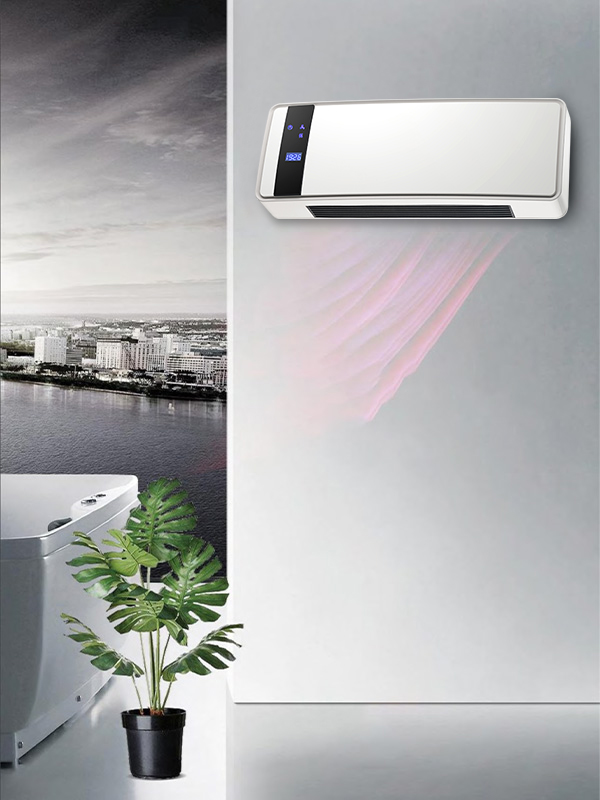 Wall-Mounted PTC Ceramic Heater with Timers and Remote ControlA 1000W/2000W wall-mounted PTC heater with remote, child lock, weekly timer, window-open function, and IP23 rating for tidy indoor heating.View Product →
Models in this family run at 1000W or 2000W, which covers a small to medium room when the insulation is reasonable.
They heat the whole room eventually, but slowly, and only within the limits of their wattage and the room's insulation. A fan-forced heater accelerates that process by mixing the air rather than letting warm air collect at the ceiling.
Sometimes. Heating one occupied room while keeping the rest of the house cooler often costs less than warming every room. If you heat the entire house with portable heaters, the costs usually rise quickly, because electricity typically costs more per unit of heat than a main heating system.
It uses 1.5 kilowatt-hours per hour at full power. Multiply that by your electricity rate. Because most heaters cycle on and off once the room reaches temperature, the real figure is usually lower than that maximum.
So, how effective are space heaters? Extremely effective at what they are designed for: taking the chill off the room you are actually sitting in, quickly and predictably. They are poor substitutes for a whole-house heating system, and any product promising otherwise is overselling itself.
We build heaters for brands, importers and retailers around the world, so we tend to judge effectiveness in terms of steady output, honest running costs and safety that holds up after years of use. If you would like to know more about how we work, our manufacturing history and quality processes are all documented on the site.
Your email address will not be published. Required fields are marked *
Copyright © Cixi BEILIGE Electric appliance Co.,Ltd. All Rights Reserved