 en
en  English
 中文简体
中文简体 Español
 عربى
عربى русский
News
Home / News / Industry News / How Do Room Heaters Work? A Manufacturer's Guide to Electric Heating Types
We are a professional heater supplier.
Content
Walk into any home in winter and you will probably find a room heater humming quietly in the corner. These devices look simple, but behind the grill sits a clever combination of electrical engineering, material science, and safety design. As a manufacturer that has been building heaters since 1981, we have watched the technology evolve from bare wire coils to intelligent PTC ceramic systems. In this guide, we explain how room heaters work, what happens inside them, and what to look for when you choose one.
Every electric room heater, whatever its shape or size, uses the same physical principle: resistive heating, also known as Joule heating. When electric current passes through a material that resists its flow, the moving electrons collide with the atoms of the material. These collisions create vibration, and that vibration is heat.
The heating element is the heart of the heater. In a traditional fan heater, the element is a coiled wire made from an alloy such as nickel-chromium. When electricity flows through the coil, it glows red hot and can reach several hundred degrees Celsius. In a PTC ceramic heater, the element is a ceramic block with special electrical properties. We will look at both types in detail shortly.
Although heater designs vary, most electric room heaters share the same core components. Understanding these parts makes it much easier to diagnose a problem, compare specifications, and choose the right model.
| Component | Function |
|---|---|
| Heating element | Converts electrical energy into heat |
| Fan or blower | Moves air across the element and into the room |
| Thermostat | Senses room temperature and cycles power to hold the set level |
| Thermal cut-off | Shuts the heater down if the element overheats |
| Housing and grill | Protects users from hot surfaces and directs airflow |
| Controls | Adjusts power, timer, oscillation, and temperature |
This combination of parts turns a basic electrical circuit into a device that can warm an entire bedroom, bathroom, or office. That is why heating appliances have become a necessity in modern households.
Fan heaters are the most widely used type of room heater. A motor-driven fan draws cool air in from the back or sides, pushes it across the hot heating element, and blows the warmed air out through the front grill. Because the fan actively moves air, a fan heater warms a room much faster than a heater that relies only on natural air movement.
PTC ceramic heaters work in a similar way but use a more advanced element. The letters PTC stand for positive temperature coefficient. As the ceramic element heats up, its electrical resistance increases. When the element reaches a certain temperature, the resistance becomes so high that the power input drops automatically. This self-limiting behavior means the element never overheats, making PTC heaters safer and more energy-efficient than traditional wire elements.
For a deeper look at the science, read our guide to how a PTC heater works.
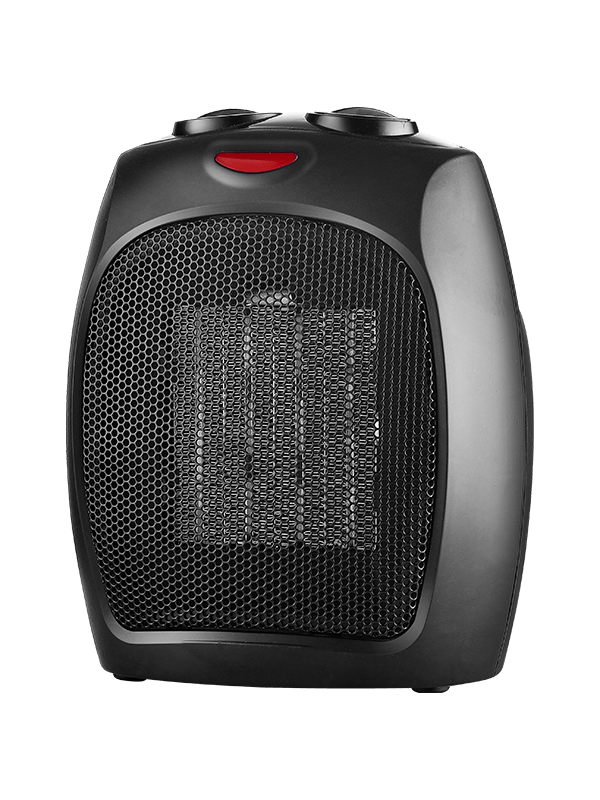
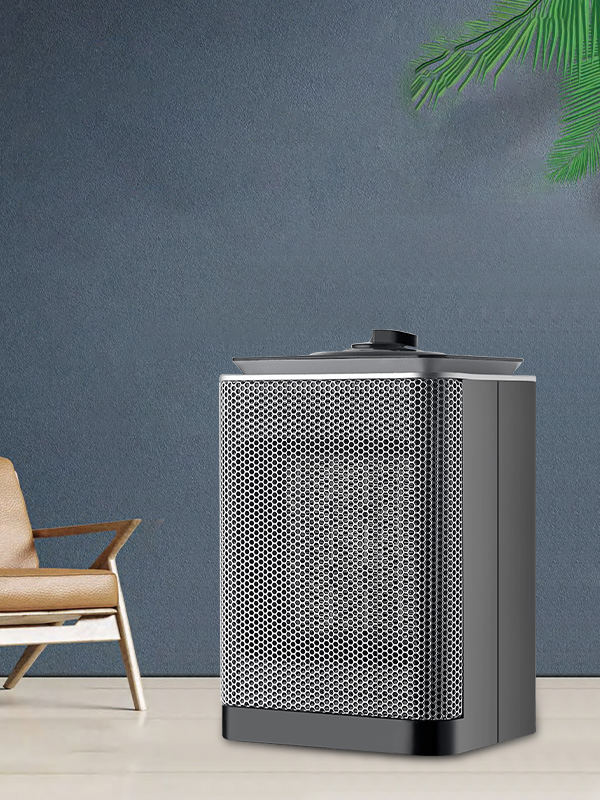 HPC-D1504YL Portable PTC Heater with Oscillation and ThermostatThis fan-free PTC heater offers two power settings, cool and warm air options, a quiet DC motor, adjustable thermostat, and safety features like overheat protection and tip-over switch, making it a versatile choice for different room layouts.View Product →
Not every room heater uses a fan to distribute heat. Different designs suit different spaces, and each works in its own way.
Convection heaters warm the air directly. As air touches the hot surface of the heater, it becomes lighter and rises, creating a natural circulation loop. This is a slow but steady way to heat a room, and it is very quiet.
Radiant heaters, including quartz and carbon models, emit infrared radiation that heats objects and people directly, rather than heating the air first. This is why you feel warmth almost instantly when you stand in front of one.
Oil-filled radiators look like traditional central heating radiators. Inside, a heating element warms thermal oil, and the oil transfers heat to the metal fins. The fins then warm the surrounding air by convection. These heaters take longer to warm up but hold heat well and keep working for a while after being switched off.
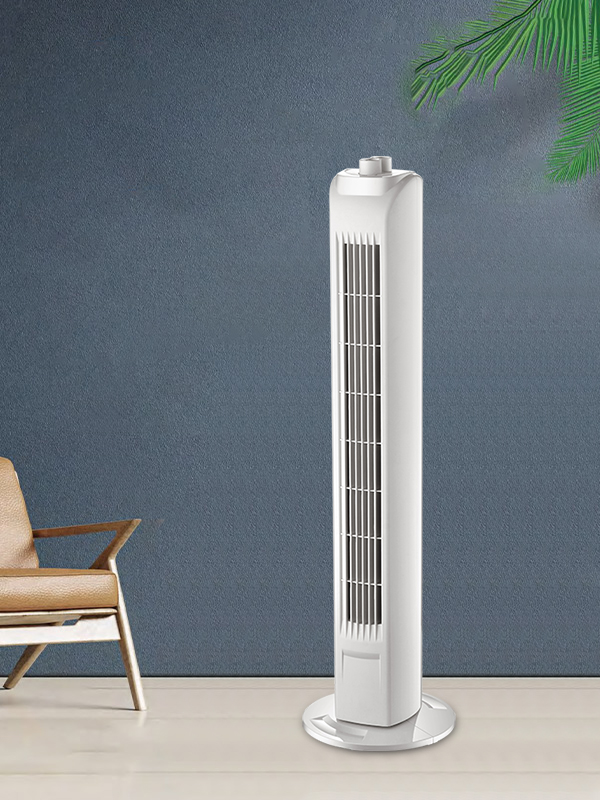
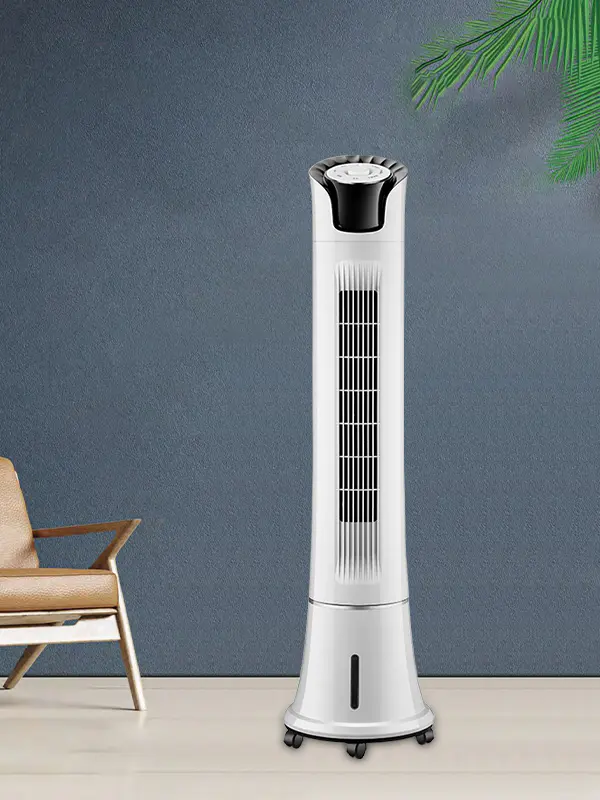
No matter how powerful the heating element is, a heater is only useful if it distributes warmth evenly. That is where airflow design comes into play. Many portable heaters use an oscillating mechanism that swings the outlet grill from side to side, spreading warm air across a wider area. Tower heaters, with their tall and narrow bodies, push warm air upward and outward, which is ideal for rooms with high ceilings or limited floor space.
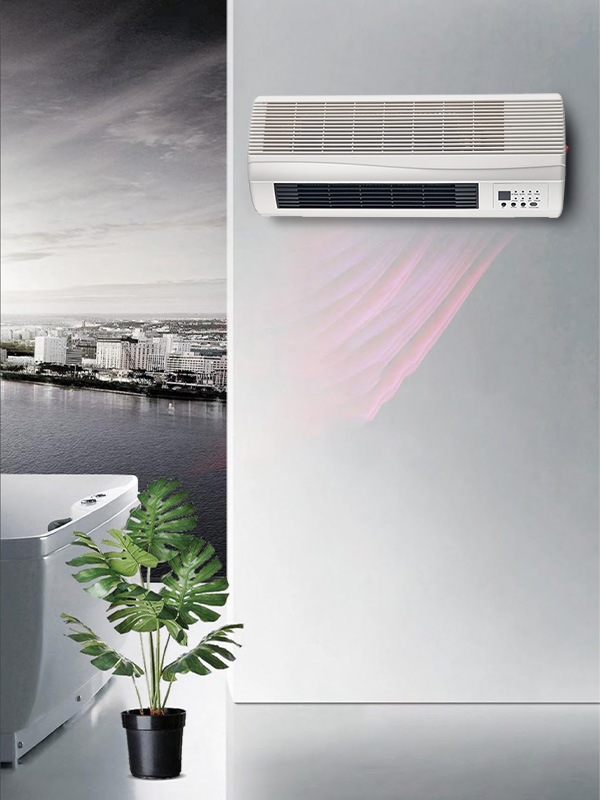
Wall-mounted heaters take a different approach. Fixed high on the wall, they release warm air from above, and the air naturally falls and circulates around the room. This frees up floor space and keeps the heater away from children and pets.
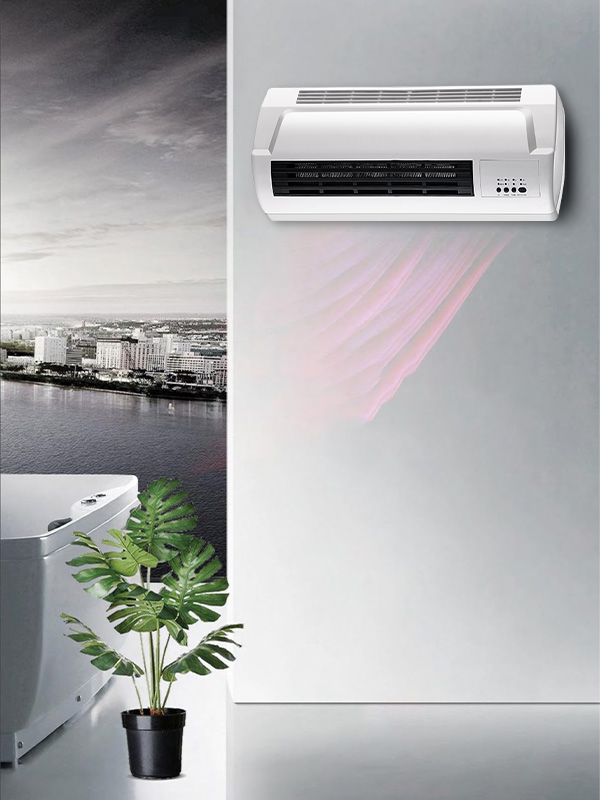 BPT-2000B Eco Smart Wall Heater with PTC Ceramic TechnologyA wall-mounted heater that frees floor space and keeps heat away from children and pets. It features two power levels, intelligent scheduling, window detection, and multi-mode operation, addressing safety and energy efficiency for permanent installation.View Product →
Room heaters involve high temperatures and high electrical loads, so safety is the first priority for any serious manufacturer. Here are the key protections you should look for:
Electric room heaters are almost 100 percent efficient at converting electricity into heat. In other words, virtually every watt drawn from the socket becomes warmth. The real difference between models lies in how evenly and how comfortably they deliver that warmth, not in how much heat they generate per watt.
| Power rating | Typical application |
|---|---|
| 750 W | Desk, small bathroom, or personal spot heating |
| 1000 W | Small bedroom or compact office |
| 1500 W | Medium bedroom, study, or living area |
| 2000 W | Large living room or open-plan space |
The running cost depends on the wattage and how long the heater runs. A 1500 W heater used for one hour consumes 1.5 kWh of electricity. A built-in thermostat can reduce consumption by switching the element off once the target temperature is reached, and an eco mode can adjust the power automatically to save energy.
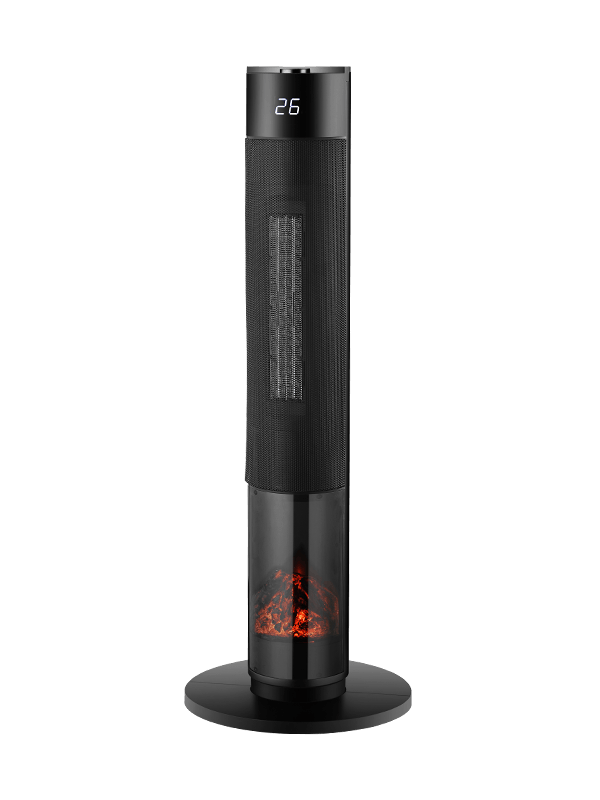
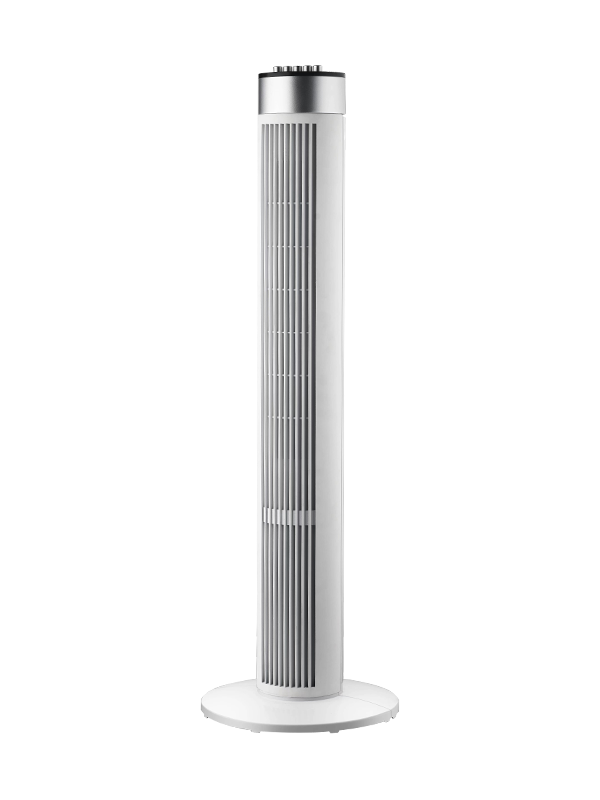
So which heater is best? It depends on your space and how you plan to use it. A small portable PTC heater is ideal for spot heating at a desk or beside the bed. A wall-mounted model suits bedrooms, bathrooms, and offices where floor space is precious. A tower heater works well in living rooms, where its oscillation can spread warmth over a large area, and many tower models double as cooling fans during summer.
With decades of manufacturing experience, we have learned that the best heater is the one that fits your habits and your room. Check the wattage against the room size, confirm that the safety features cover your needs, and choose a model with a thermostat so it does not waste energy running at full power all night.
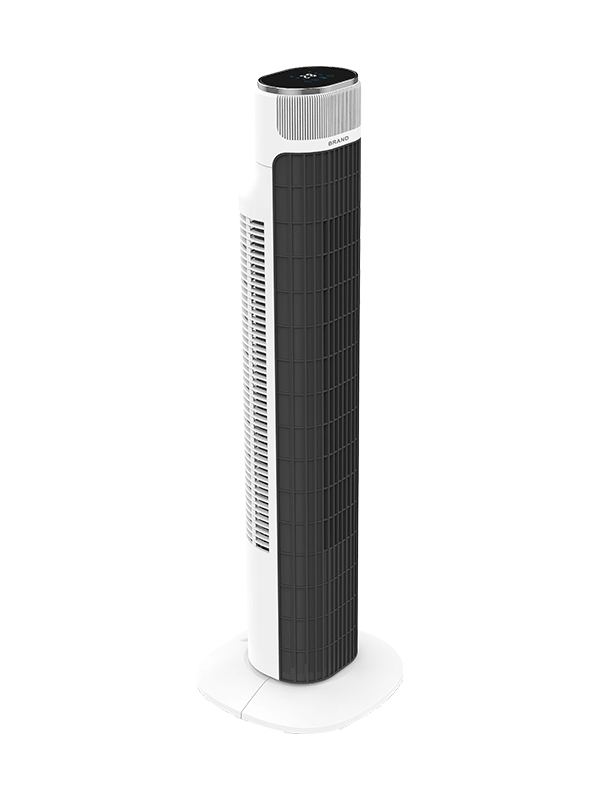
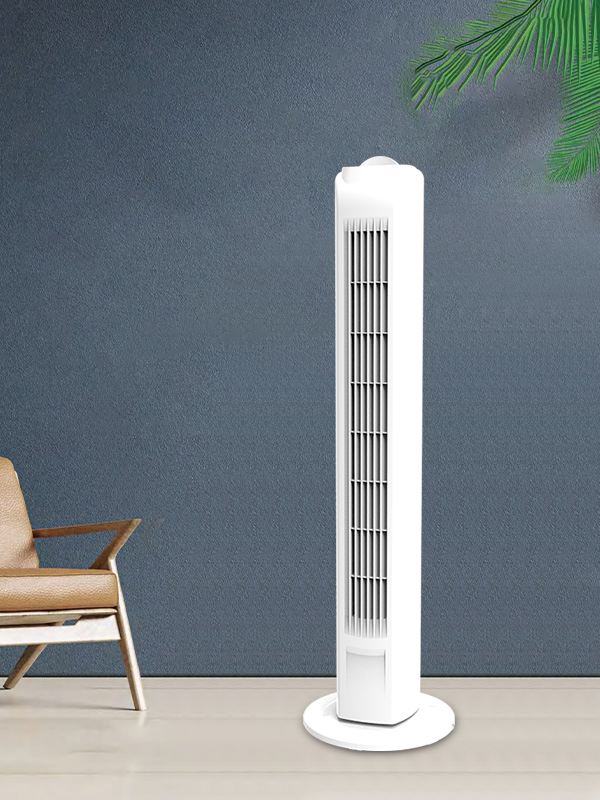 TF801 Oscillating PTC Ceramic Tower Heater with Remote ControlThis portable tower heater uses efficient PTC elements, auto temperature regulation, tip-over and overheat protection, plus dual controls via touch panel and remote. Its wheels make it easy to move, fitting various room sizes and habits.View Product →
Understanding how room heaters work takes the mystery out of choosing one. Whether the element is a glowing wire coil or a self-regulating PTC ceramic block, the goal is the same: turn electricity into comfortable, safe, and efficient warmth. As a heater manufacturer, we build every model with these principles in mind, and we hope this guide helps you make a confident choice for the winter ahead.
How Did People Survive Without AC? Cooling Wisdom Before Air Conditioning
2026-09-23How Does an Electric Heater Thermostat Work? A Maker's Guide to Heat Control
2026-10-07Your email address will not be published. Required fields are marked *
Copyright © Cixi BEILIGE Electric appliance Co.,Ltd. All Rights Reserved