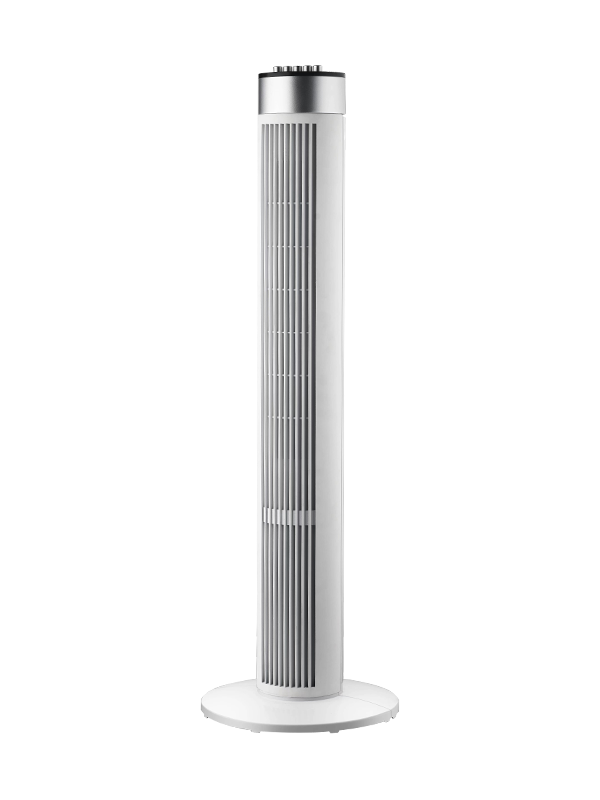
Installing a wall mounted fan heater involves selecting the correct location, securing the mounting bracket to wall studs or masonry, making the electrical connection to a dedicated circuit, and testing the unit before regular use. Most plug-in wall fan heaters can be installed in under an hour with basic tools, while hardwired models require a dedicated 240V circuit and should be connected by a licensed electrician. Getting the location, height, and wiring right from the start prevents the majority of performance and safety problems that arise after installation.
Tools and Materials You Need Before Starting
Gathering everything before you begin prevents mid-job delays and reduces the risk of leaving the heater partially installed while sourcing missing items. Requirements vary slightly depending on whether your wall fan heater is plug-in or hardwired, but most installations need the following:
Power drill with masonry or wood bits (typically 6 mm or 8 mm depending on included anchors)
Stud finder (for timber-framed walls)
Spirit level to ensure the bracket sits perfectly horizontal
Pencil for marking drill points
Screwdriver (flathead and Phillips)
Wall plugs and mounting screws (usually supplied with the heater)
Voltage tester or multimeter (for hardwired installations)
Wire stripper and terminal screwdriver (hardwired models only)
Tape measure
Always read the installation manual supplied with your specific heater model before starting. Bracket hole patterns, minimum clearance distances, and circuit requirements vary between manufacturers, and the manual takes precedence over general guidance.
Choosing the Right Location for Your Wall Mounted Fan Heater
Location is the single most important factor affecting a wall fan heater's efficiency and safety. A poorly positioned heater can waste energy, create cold spots, or become a fire hazard.
Optimal Mounting Height
Wall mounted fan heaters are most effective when installed 150–200 mm (6–8 inches) from the floor for low-level models designed to push warm air across the floor, or at 1,800–2,000 mm (approximately 6 feet) from the floor for ceiling-directed fan heaters that project heat downward into the occupied zone. Mid-height installation at around waist level is generally the least efficient position because the heat output neither warms the floor zone effectively nor distributes evenly across the full room height.
Clearance Requirements
Every wall fan heater has mandatory clearance zones specified by the manufacturer. Typical minimum clearances are:
Above the unit: 300–500 mm minimum to the ceiling or any overhead obstruction
Each side: 150–300 mm from walls, corners, or furniture
In front of the unit: At least 500 mm clear of curtains, furniture, or any combustible material
Never install directly above a socket outlet or below a window where curtains can fall forward onto the unit. Both situations are leading causes of house fires involving electric heaters.
Bathroom Installation Rules
Bathroom installations are governed by IP rating zones. A wall fan heater installed in a bathroom must carry a minimum IP21 rating for Zone 2 (more than 0.6 m from a bath or shower edge) and IP45 or higher for Zone 1 (within 0.6 m of the bath). In the UK, bathroom heaters must also be controlled by a pull-cord switch or a remotely located switch — not a standard wall switch within reach of a wet person. Always check local regulations before proceeding.
Plug-In vs. Hardwired Wall Fan Heaters: Key Differences
Understanding the type of heater you have determines the complexity and safety requirements of the installation:
Comparison of plug-in and hardwired wall mounted fan heater installation requirements
Factor
Plug-In Model
Hardwired Model
Typical Power Output
Up to 2,000W (13A socket)
2,000W–4,000W+
Circuit Requirement
Standard 13A wall socket
Dedicated 16A–20A circuit
DIY Installation
Yes — mount and plug in
Electrician recommended
Installation Time
30–60 minutes
2–4 hours including wiring
Best For
Small rooms, supplemental heating
Primary heating, larger spaces
Step-by-Step: How to Mount the Wall Bracket
The mounting bracket is the foundation of the entire installation. A bracket that is not level, not adequately anchored, or positioned over an obstruction will cause problems that are difficult to correct after the heater is fitted.
Hold the mounting bracket against the wall at the desired height and use a spirit level to confirm it is perfectly horizontal. Mark all drill hole positions with a pencil.
Use a stud finder on timber-framed walls to check for studs, cables, and pipes behind the marked positions. On masonry walls, use a cable and pipe detector — never drill without checking, as electrical cables often run vertically from sockets and horizontally at set heights (typically 150 mm or 300 mm from ceiling or floor).
Drill pilot holes at the marked positions using the correct bit for your wall type — masonry drill bit for brick or concrete, wood bit for timber studs. Drill to the depth specified for the supplied wall plugs, typically 40–50 mm deep.
Insert wall plugs flush with the surface. For masonry walls, use nylon or metal expansion plugs rated for the heater's weight — most wall fan heaters weigh between 1.5 kg and 4 kg, but the bracket must also withstand lateral stress from the fan vibration over years of use.
Align the bracket over the plugs and insert the mounting screws. Tighten firmly but do not overtorque into plastic wall plugs, which can crack and lose grip. The bracket should have zero movement when pushed firmly in any direction.
Re-check level after tightening — screws can pull one side slightly as they seat.
Electrical Connection for Hardwired Wall Fan Heaters
Always turn off the circuit breaker and verify the circuit is dead with a voltage tester before touching any wiring. Hardwired wall fan heaters must be connected to a dedicated radial circuit — they must not share a circuit with other appliances due to their sustained high current draw.
Circuit Requirements
A 2,000W heater draws approximately 8.7A at 230V. A 3,000W model draws around 13A. Most hardwired wall fan heaters require a 16A or 20A dedicated circuit protected by an MCB (miniature circuit breaker) of the appropriate rating. Cable sizing must match: a 16A circuit requires minimum 2.5 mm² twin-and-earth cable in the UK (or equivalent in your region).
Wiring the Terminal Block
Confirm the circuit is isolated and test with a voltage tester at the heater's terminal block location
Strip the cable outer sheath back 80–100 mm and individual conductor insulation back 8–10 mm
Connect Live (brown) to the L terminal, Neutral (blue) to the N terminal, and Earth (green/yellow) to the Earth terminal — connections must be tight with no exposed copper outside the terminal
Fit a green/yellow sleeving over the bare earth conductor if not already insulated
Route the cable through the cable entry point on the heater body and secure with the cable clamp to prevent strain on the terminals
Replace the terminal cover before restoring power
Double Pole Isolation Switch
In the UK and many other countries, hardwired heaters require a double pole isolating switch within sight of the heater (but outside a bathroom) that disconnects both live and neutral simultaneously. This allows safe maintenance and is a requirement under BS 7671 wiring regulations. The switch must be rated for the heater's load — a 20A double pole switch is the minimum for most domestic fan heater installations.
Attaching the Heater to the Bracket and First Power-On
Once the bracket is secured and wiring is complete, hanging the heater and conducting the initial test is the final stage:
Lift the heater body onto the bracket, aligning the heater's mounting slots or hooks with the bracket's engagement points. Most models hook over the top of the bracket and click or screw at the bottom.
Secure any additional retention screws that prevent the heater from being lifted off the bracket accidentally — these are especially important in commercial or high-traffic locations.
For plug-in models, route the cable neatly away from the heat outlet before plugging into the socket.
Restore power at the circuit breaker or isolation switch. Do not stand directly in front of the outlet during first power-on.
Set the heater to its lowest heat setting and fan speed first. Confirm the fan runs and warm air is discharged from the correct outlet direction.
Increase to full output and check that the heater reaches operating temperature without tripping the circuit breaker or emitting unusual smells beyond the brief initial burn-off of manufacturing residues (a slight smell during the first 10–15 minutes is normal; persistent burning smell is not).
Common Installation Mistakes and How to Avoid Them
Installing on a Hollow Partition Wall Without Correct Fixings
Standard wall plugs fail in plasterboard unless they are the cavity anchor type. A heater mounted on inadequate fixings can pull away from the wall under its own weight plus vibration over time. Use metal toggle anchors or specialist plasterboard cavity fixings rated for at least 3× the heater's weight, or locate and fix into the timber studs behind the board.
Sharing a Circuit with Other High-Draw Appliances
Plugging a 2,000W fan heater into a ring main socket that also serves a washing machine, kettle, or microwave creates a combined load that can cause nuisance tripping or, worse, sustained overload of aging wiring. A heater drawing 8–13A continuously should ideally be the only significant load on its circuit.
Blocking the Intake Grille
Wall fan heaters draw cool air in through an intake grille, usually on the back or bottom of the unit. Mounting the heater flush against a surface that covers this grille causes the motor to overheat and activates the thermal cut-out repeatedly, shortening the heater's lifespan significantly. Always verify the intake is unobstructed after mounting — most manufacturers require a minimum 10–20 mm gap between the back of the heater and the wall surface.
Skipping the Earth Connection
Omitting or incorrectly connecting the earth wire on a Class I hardwired heater (metal body) leaves the casing live if an internal fault occurs. This is a serious electrocution risk. Every hardwired heater with a metal body must have a properly terminated earth connection — this is non-negotiable and is a legal requirement under electrical installation regulations in most countries.
Heater Sizing: Matching Output to Room Size
Installing the correctly sized heater is as important as the physical installation. An undersized heater runs continuously without reaching the set temperature; an oversized unit short-cycles and wastes energy. A commonly used guideline for well-insulated modern rooms is approximately 25W per square metre of floor area for ceiling heights up to 2.4 m. Older properties with poor insulation typically require 40–60W per square metre.
Recommended wall fan heater output by room size for average UK insulation conditions
Room Size
Well Insulated
Average Insulation
Poor Insulation
Small (up to 10 m²)
750W–1,000W
1,000W–1,500W
1,500W–2,000W
Medium (10–20 m²)
1,500W–2,000W
2,000W–2,500W
2,500W–3,000W
Large (20–35 m²)
2,000W–3,000W
3,000W–4,000W
4,000W+ or multiple units
Ongoing Maintenance After Installation
A correctly installed wall fan heater requires minimal ongoing maintenance, but a few routine checks will extend service life and maintain efficiency:
Clean the inlet grille every 3–6 months using a vacuum cleaner with a brush attachment — dust buildup on the intake reduces airflow, causes the element to overheat, and significantly shortens motor life
Check that the mounting bracket screws have not loosened due to thermal expansion cycling — re-tighten annually if needed
Inspect the power cable (plug-in models) for any signs of heat damage or pinching where it exits the heater body
Test the overheat protection feature once per heating season by briefly blocking the outlet and confirming the thermal cut-out activates — then allow to cool and verify it resets correctly
If the heater has a washable or replaceable filter, clean or replace it according to the manufacturer's schedule — typically every 12 months in normal residential use

 en
en  English
 中文简体
中文简体 Español
 عربى
عربى русский