News
We are a professional heater supplier.
Content
No, a tower heater doesn't use meaningfully more electricity than any other type of portable space heater. Nearly every electric tower heater, ceramic tower heater, or tower space heater on the market tops out at 1,500 watts on its highest setting, which is the practical maximum for a standard household outlet, not a trait specific to the tower shape. Running one on high for 8 hours costs roughly $2.16 a day, or about $65 a month, at the current U.S. average electricity rate of 18 cents per kWh.
Where a tower heater does use "a lot" of electricity is relative to how long you run it, not its shape or design. A tower fan used purely for cooling uses a fraction of that power, typically 25 to 100 watts, because it only moves air rather than generating heat. The table below compares typical wattage and running costs across the category.
| Device | Typical Wattage | Approx. Cost per Hour (at $0.18/kWh) |
|---|---|---|
| Tower fan (cooling only, no heat) | 25 - 100 watts | $0.005 - $0.02 |
| Ceramic tower heater, low/eco setting | 750 watts | $0.14 |
| Ceramic tower heater / tower space heater, high setting | 1,500 watts | $0.27 |
| Tower heater with thermostat cycling (real-world average) | ~900 - 1,100 watts effective | $0.16 - $0.20 |
The math behind any electric heater's running cost is straightforward: Cost = (Watts ÷ 1,000) × Hours Used × Price per kWh. A typical 1,500-watt tower heater run for 8 hours a day works out to 12 kWh per day (1.5 × 8). At the national average rate of about $0.18 per kWh, that's $2.16 a day, roughly $64.80 a month, or about $324 across a five-month winter heating season if used daily.
Your actual cost depends heavily on local electricity rates, which vary more than most people expect. U.S. residential rates currently range from about 12 cents per kWh in North Dakota to over 45 cents in Hawaii, so the same tower heater can cost nearly four times as much to run depending on where you live.
| Electricity Rate | Daily Cost | Monthly Cost (30 days) |
|---|---|---|
| $0.12/kWh (low-cost states) | $1.44 | $43.20 |
| $0.18/kWh (U.S. average) | $2.16 | $64.80 |
| $0.25/kWh (higher-cost states) | $3.00 | $90.00 |
| $0.35/kWh (highest-cost states) | $4.20 | $126.00 |
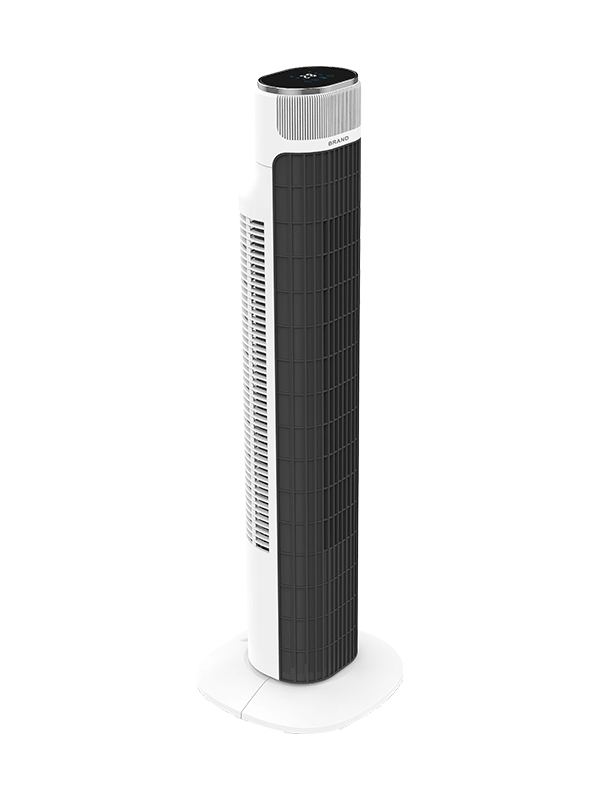
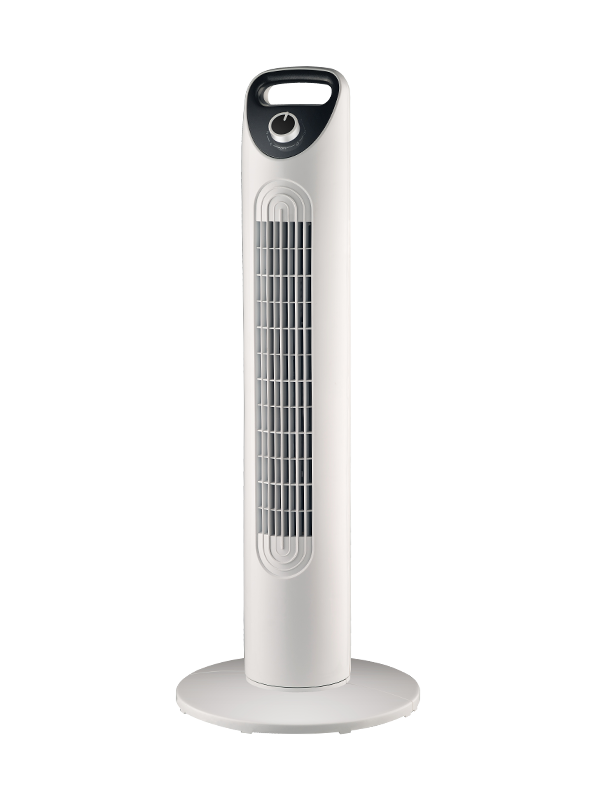
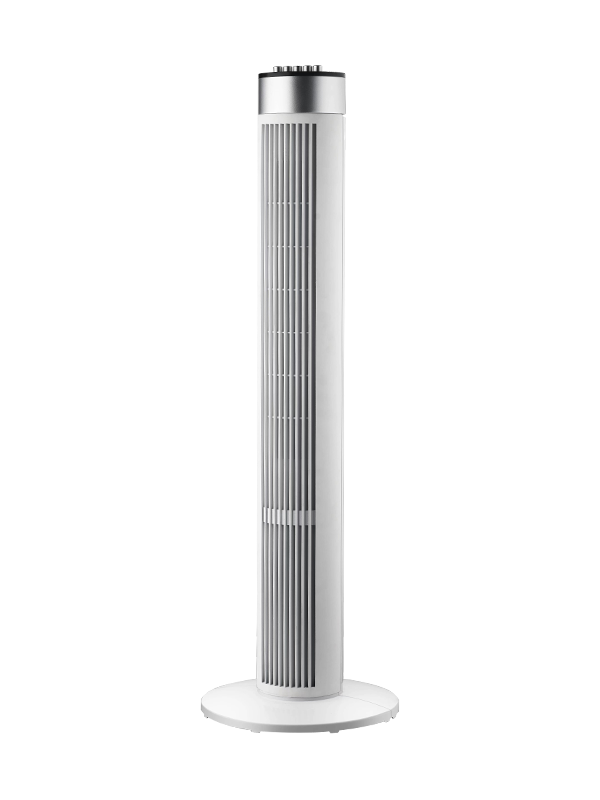
The terms get used almost interchangeably in product listings, but a tower fan and a tower heater are functionally opposite appliances housed in a similar tall, slim cabinet.
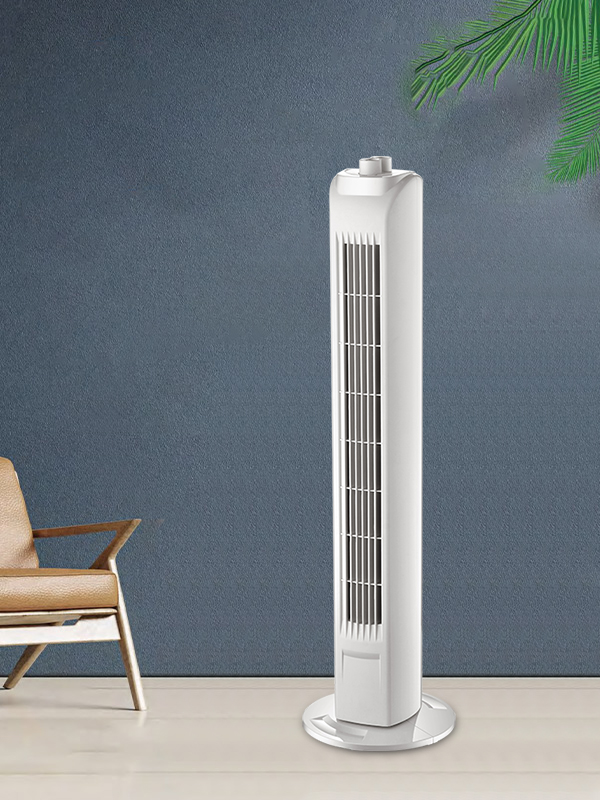
A tower fan contains no heating element at all. It uses a motor and blades, or a bladeless impeller, to circulate room-temperature air, drawing roughly 25 to 100 watts depending on the speed setting. It cools by increasing airflow across your skin, not by lowering the air temperature itself, which is why running one costs pennies a day.
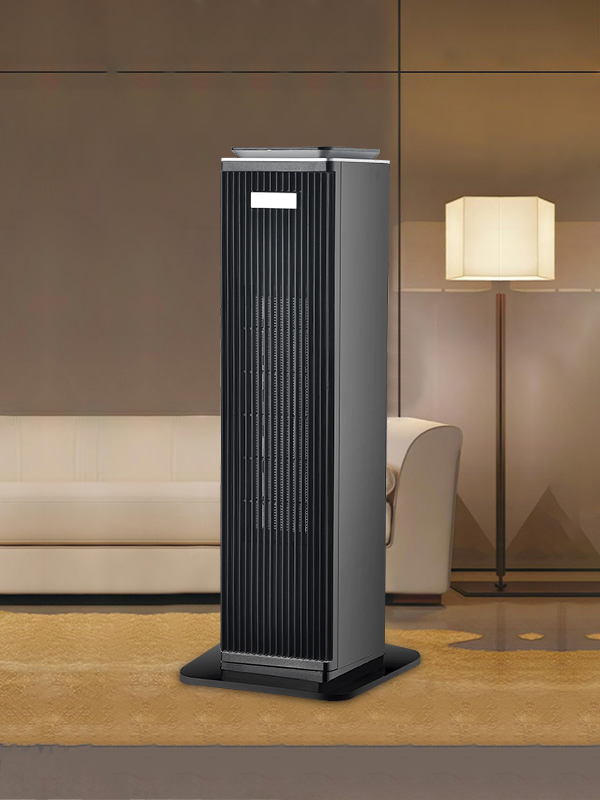
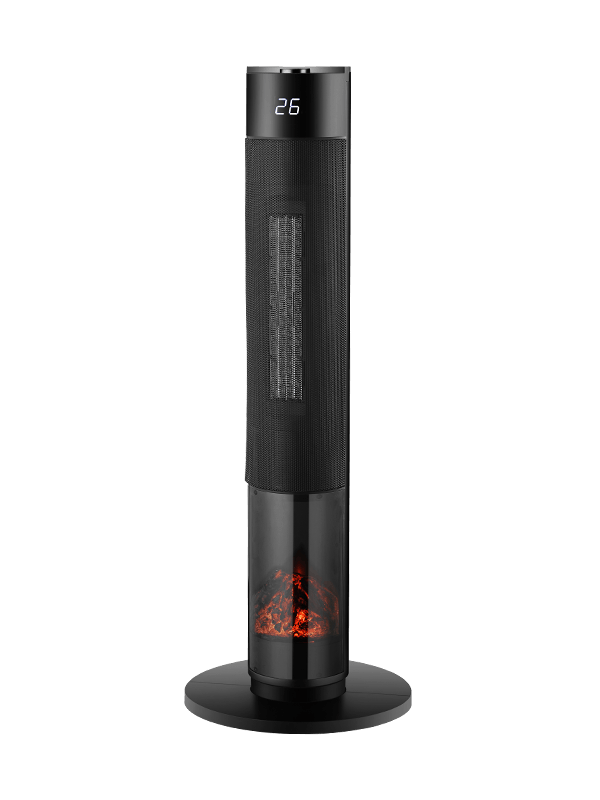
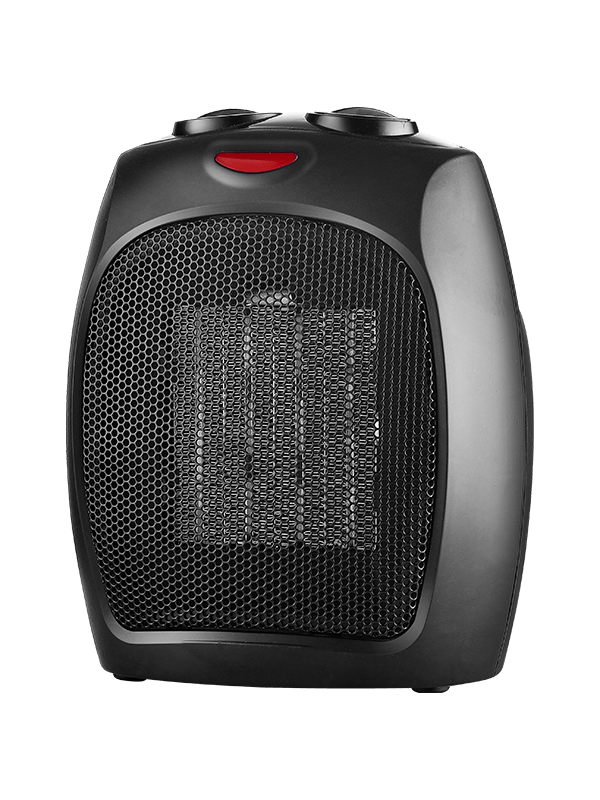
A ceramic tower heater or tower space heater contains a ceramic (PTC) heating element paired with an internal fan that blows air across it, then oscillates the housing to spread warm air around the room. This is a genuinely different function from a tower fan, and it's why heating versions draw 10 to 60 times more power.
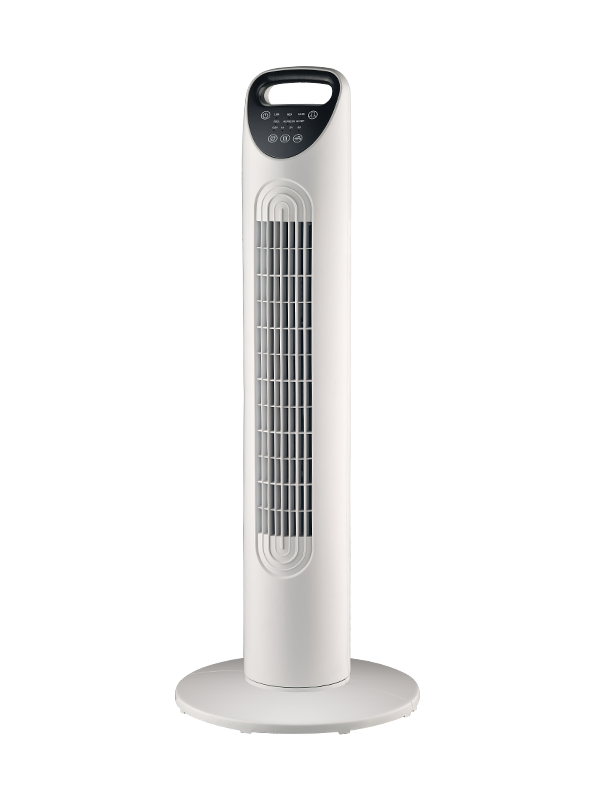
Many products marketed under all of these names are actually combination units that switch between a heating mode (750W or 1,500W) and a fan-only cooling mode, which is likely why you'll see "tower heater" and "tower fan" listed together while shopping. If you own one, check the control panel or manual: the fan-only setting draws a small fraction of the electricity that either heat setting does.
Not in the way most marketing implies. Every electric resistance heater, whether ceramic, infrared, oil-filled, or a basic coil heater, converts essentially 100% of the electricity it draws into heat, because there's no combustion or mechanical loss involved, unlike a gas furnace, which loses some energy up the flue. A 1,500-watt ceramic tower heater and a 1,500-watt oil-filled radiator produce the same total heat output for the same electricity input; there's no such thing as a resistance heater that makes more heat per watt than another.
In practice, the "more efficient" heater is simply the one whose thermostat and timer keep it off more often, not one with a fundamentally better heating element.
None of these steps require a new heater, just a few changes to how you run the one you have.
Combining the low setting with a thermostat and a timer commonly cuts real-world running cost by 30 to 50% compared to leaving a tower heater on its highest setting around the clock.
Cost isn't the only thing to weigh before running a tower heater; fire safety deserves equal attention. According to National Fire Protection Association data, space heaters are involved in nearly one-third (29%) of home heating equipment fires, but account for 77% of heating-fire deaths and 71% of injuries, a disproportionate share driven mainly by heaters placed too close to flammable material.
These aren't excessive precautions. They reflect the actual pattern in fire data, where proximity to combustibles and unattended operation are the two most common contributing factors.
A tower heater is a genuinely useful money-saver in one specific scenario: heating a single occupied room while turning your central thermostat down elsewhere in the house.
If you already heat your home with electricity and spend most evenings in one room, running a tower heater there while lowering the central thermostat by 7 to 10 degrees can save an estimated $40 to $60 a month, since you're no longer paying to heat unused rooms. This works best in smaller homes, apartments, or when only one or two rooms are in regular use.
The math flips in two common situations. First, if your central heat runs on natural gas, it's typically cheaper per unit of heat than electric resistance heating in most U.S. markets, so replacing gas heat with an electric tower heater, even in just one room, can raise your total bill rather than lower it. Second, running tower heaters in more than one or two rooms usually costs more in total than simply running central heating normally, since you're now paying the fixed 1,500-watt rate in each room instead of the shared cost of one central system.
| Scenario | Likely Cost Impact |
|---|---|
| Electric home, one room heated while lowering central thermostat | Saves money |
| Gas-heated home, tower heater replacing gas heat in one room | Usually costs more |
| Tower heaters running in 2+ rooms instead of central heat | Usually costs more |
| Occasional supplemental use in a cold room central heat doesn't reach well | Saves money vs. raising whole-house thermostat |
How Do Space Heaters Work? The Ultimate Guide to Choosing and Safely Using a Portable Heater
2026-07-01Air Circulators vs Traditional Fans: How to Choose the Right Air Circulating Fan
2026-07-15Your email address will not be published. Required fields are marked *
Copyright © Cixi BEILIGE Electric appliance Co.,Ltd. All Rights Reserved