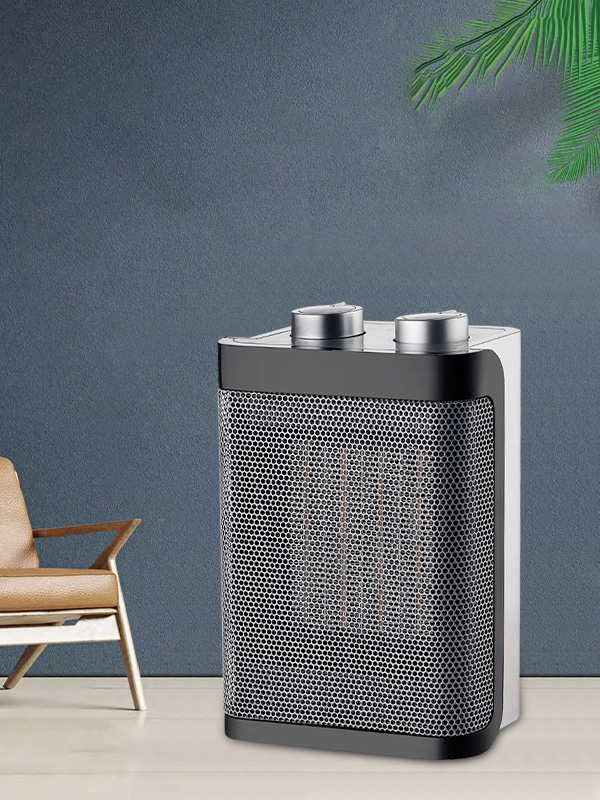
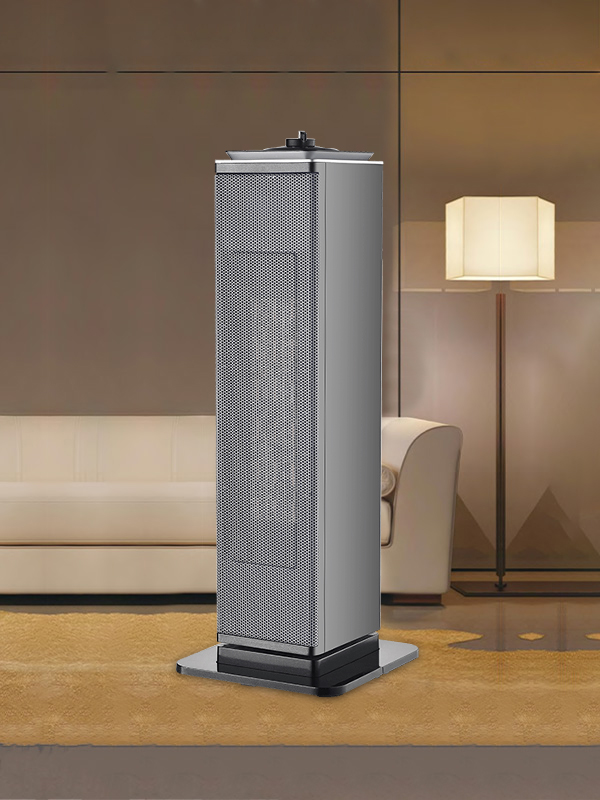
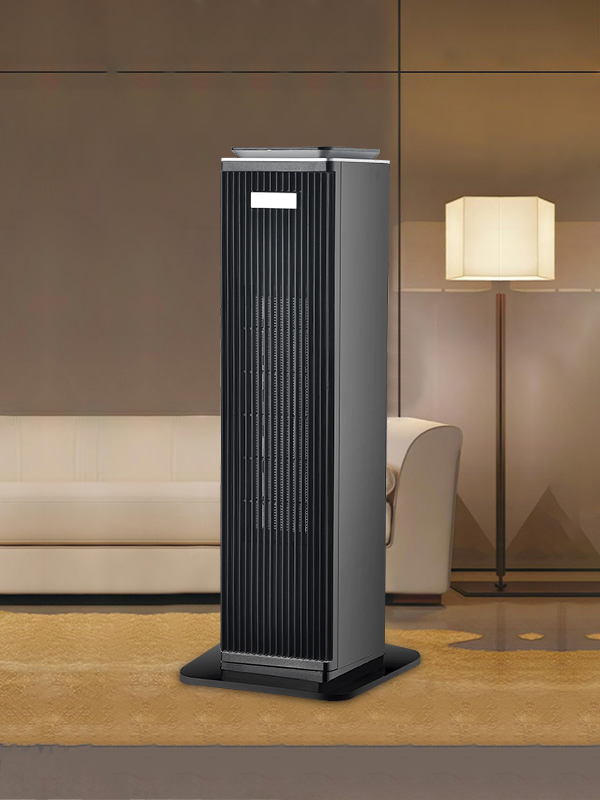
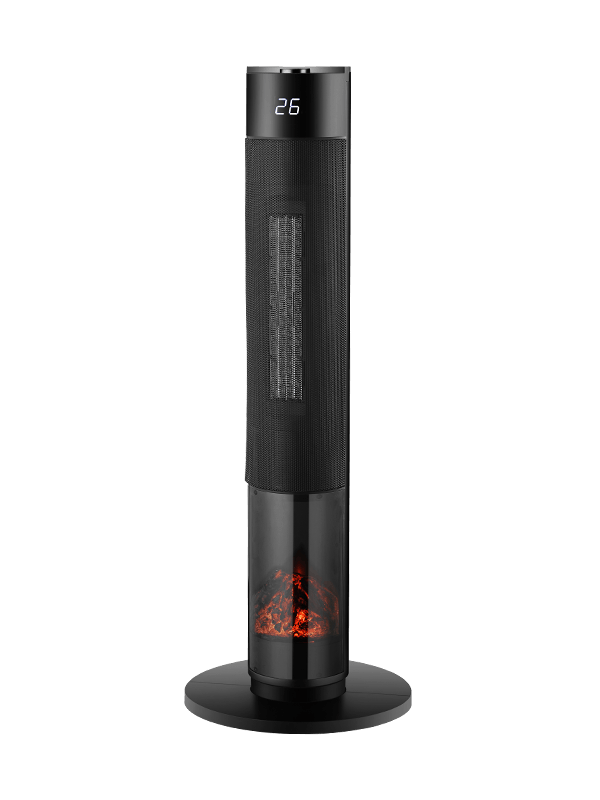
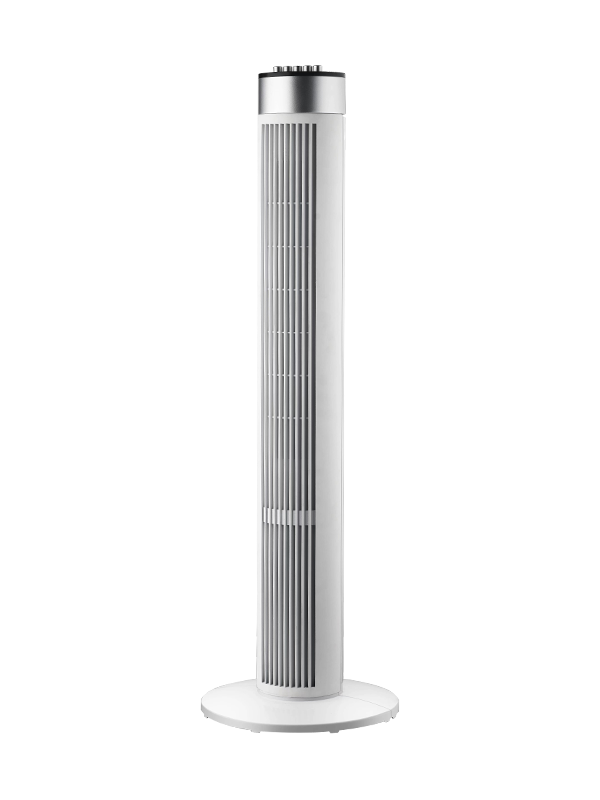
A PTC heater in a car is a self-regulating electric heating element made from Positive Temperature Coefficient ceramic material that automatically limits its own temperature to prevent overheating. In vehicles — especially electric vehicles (EVs) and hybrids — PTC heaters serve as the primary cabin heating source, replacing or supplementing the traditional engine-coolant-based heater core. The same PTC heating technology is also widely used in portable heaters and table heaters for home and office use, making it one of the most versatile and safe heating technologies available today.
What PTC Actually Means and the Science Behind It
PTC stands for Positive Temperature Coefficient — a property describing how a material's electrical resistance changes in response to temperature. In a PTC material, electrical resistance increases sharply as temperature rises. This creates a natural self-limiting feedback loop: the more the element heats up, the harder it becomes for current to flow through it, which reduces heat output and prevents runaway overheating.
The ceramic compounds used in PTC heaters — typically barium titanate (BaTiO₃) doped with rare earth elements — exhibit this resistance spike at a specific Curie temperature, usually engineered between 60°C and 200°C (140°F–392°F) depending on the application. Once the element reaches its designed operating temperature, the resistance increases so dramatically that the heater effectively throttles itself down without any external control needed.
This is fundamentally different from traditional nichrome wire resistance heaters, which maintain a fixed resistance regardless of temperature and require external thermostats or cutoffs to prevent overheating. PTC elements are inherently self-protecting.
How a PTC Heater Works Inside a Car
In a conventional gasoline-powered car, cabin heat comes from hot engine coolant circulating through a heater core — essentially a small radiator inside the dashboard. A fan blows air across the hot heater core and into the cabin. This system works well once the engine reaches operating temperature, but it requires a warm engine to function.
Electric vehicles and plug-in hybrids have no combustion engine generating waste heat, so they need an alternative heat source. This is where PTC heaters become essential. A typical automotive PTC heater system works as follows:
High-voltage power from the traction battery (typically 300–800V in modern EVs) is directed to the PTC heating element assembly.
The PTC ceramic elements heat up rapidly — reaching useful temperatures within seconds of activation, far faster than waiting for an engine to warm up.
A blower fan circulates cabin air directly across the PTC element (air-type PTC heater) or coolant is heated by the PTC element and then circulated through the heater core (coolant-type PTC heater).
The PTC element self-regulates — as the air or coolant around the element warms up, the element's resistance rises and heat output drops automatically, maintaining a consistent temperature without overshoot.
The vehicle's climate control system adjusts power delivery to the PTC assembly based on the cabin temperature setting, allowing precise comfort control.
Automotive PTC heater assemblies typically consume between 3 kW and 7 kW of power in full heating mode — a significant draw on an EV battery that noticeably reduces driving range in cold weather. Some high-performance EVs use heat pump systems alongside PTC heaters to improve heating efficiency, since heat pumps can deliver 2–3 units of heat per unit of electricity consumed versus the 1:1 ratio of a PTC heater.
Two Types of Automotive PTC Heaters
Not all PTC heaters in cars work the same way. There are two main configurations used by vehicle manufacturers:
Air-Type PTC Heater (Direct Air Heating)
In this design, cabin air is blown directly over the PTC heating elements. The heated air is then distributed through the HVAC duct system into the passenger compartment. This design is simpler, lighter, and delivers heat almost instantly — often reaching target temperatures within 30–60 seconds. It is commonly found in smaller EVs, low-voltage mild-hybrid systems, and auxiliary heater units.
Coolant-Type PTC Heater (Indirect Heating)
Here, the PTC element heats the vehicle's coolant loop rather than the air directly. The hot coolant then flows through the existing heater core, which transfers heat to the cabin air in the conventional way. This approach integrates more easily into existing thermal management architectures and allows the same coolant circuit to serve multiple functions — battery thermal conditioning, seat heating, and cabin warming. Larger EVs such as Tesla Model 3 and many BMW and Audi electric models use this approach.
Key Advantages of PTC Heaters in Vehicles
Instant heat with no warm-up wait — Unlike engine-coolant heaters that need 5–10 minutes to reach temperature, PTC heaters begin warming the cabin within seconds of starting the vehicle or enabling pre-conditioning.
Intrinsic safety through self-regulation — The resistance-temperature relationship physically prevents the element from overheating without relying on fuses or thermal cutoffs that can fail.
Long service life — Ceramic PTC elements have no moving parts and degrade very slowly. Automotive PTC heaters are typically rated for the full vehicle service life of 10–15 years or 150,000+ miles.
Compact and lightweight — A high-output automotive PTC heater assembly typically weighs under 2 kg (4.4 lbs) and can fit within the existing HVAC housing.
Compatible with vehicle pre-conditioning — PTC heaters can run on grid power while the EV is plugged in, pre-warming the cabin before departure without depleting the drive battery.
Consistent output regardless of outside temperature — Unlike heat pumps, which lose efficiency below -10°C (14°F), PTC heaters maintain full rated output even in extreme cold.
PTC Heater vs. Traditional Car Heater: Key Differences
Comparison of PTC electric heater and traditional engine-coolant heater in automotive applications
Feature
PTC Electric Heater
Traditional Coolant Heater
Heat source
Electric current through ceramic element
Waste heat from combustion engine
Time to cabin heat
30–90 seconds
5–10 minutes (engine warm-up)
Energy efficiency
~100% of input converted to heat
Uses waste heat — "free" in ICE cars
Range impact in EVs
Significant (3–7 kW draw)
Not applicable
Overheating risk
Very low (self-regulating)
Low (thermostat-controlled)
Cold weather performance
Consistent at all temperatures
Slower in extreme cold
Pre-conditioning support
Yes (runs on grid power)
Requires engine running
Maintenance required
Minimal (no moving parts)
Coolant flushes, heater core checks
PTC Heaters Beyond Cars: Portable Heaters and Table Heaters
The same PTC ceramic heating technology used in automotive applications is the foundation for a wide range of consumer heaters. Understanding the car application makes it easier to appreciate why PTC has become the dominant technology in portable heaters and table heaters.
PTC Portable Heaters
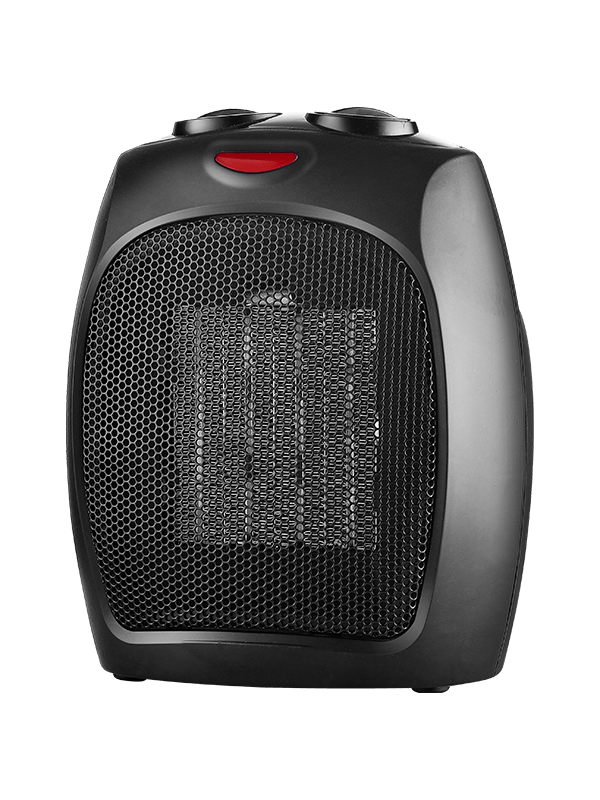
A PTC portable heater is a compact, freestanding heater designed to be moved between rooms or locations. It draws power from a standard wall outlet (typically 120V or 240V AC) and delivers between 750W and 1,500W of heat output. The PTC element inside heats air drawn in by a fan and expels warm air directly into the room.
The key consumer benefits of PTC portable heaters are:
No fire risk from contact — The outer surface of a PTC portable heater typically stays below 60°C (140°F) even at full power, compared to nichrome wire heaters whose exposed elements can exceed 800°C.
Consistent outlet temperature — The self-regulating nature of the PTC element means the heater delivers a stable, comfortable heat output rather than cycling between hot blasts and cold pauses.
Energy efficiency in small spaces — A 1,500W PTC portable heater can comfortably heat a room of 150–200 sq ft (14–19 m²), making it cost-effective for zone heating rather than running whole-house systems.
Lightweight and carry-anywhere design — Most PTC portable heaters weigh between 1.5 and 3 kg, making them easy to transport between home, office, and workshop.
PTC Table Heaters
A PTC table heater is a smaller, desktop-sized variant designed to provide personal warmth at a desk, workstation, or bedside table. These units typically output between 300W and 900W — enough to keep one person comfortably warm without heating an entire room. They are especially popular in office environments where individual temperature preferences vary, and in bedrooms for targeted nighttime warmth.
PTC table heaters often feature:
Tip-over auto-shutoff — A safety switch cuts power if the unit is knocked over, leveraging the inherent safety of PTC technology with an additional mechanical backup.
Quiet operation — Low-wattage PTC table heaters often use small fans or even passive convection, producing less than 40 dB of noise — suitable for use during calls or sleep.
USB or 12V power options — Some ultra-compact PTC table heaters are designed to run from USB-C or a car's 12V outlet, bridging the gap between home and automotive use.
PTC Heater Performance Comparison by Application
PTC heater specifications and use cases across automotive, portable, and table heater applications
Application
Typical Power
Voltage
Heat-Up Time
Primary Benefit
Automotive (EV/Hybrid)
3,000–7,000W
300–800V DC
30–90 seconds
Immediate cabin warmth, no engine needed
Portable Heater (home/office)
750–1,500W
120–240V AC
1–3 minutes
Zone heating, portability, fire safety
Table Heater (personal use)
300–900W
120–240V AC
Under 1 minute
Personal comfort, quiet, compact
Mini/USB Table Heater
10–50W
5V USB / 12V DC
Under 30 seconds
Hand warming, desk use, travel
PTC Heater vs. Other Portable Heater Technologies
When choosing a portable heater or table heater, PTC competes with several other technologies. Understanding the differences helps consumers and engineers make the right choice for a given situation.
PTC vs. Nichrome Wire Heaters
Traditional nichrome wire heaters are the oldest form of electric resistance heating. They are cheaper to manufacture but carry higher safety risks — exposed nichrome elements glow red-hot at over 700°C and can ignite nearby materials if the fan fails or the unit is obstructed. PTC elements, by contrast, physically cannot overheat past their Curie temperature due to their self-regulating resistance. For table heaters and portable heaters used in homes with children or pets, PTC is significantly safer.
PTC vs. Infrared Heaters
Infrared heaters emit radiant heat that warms objects and people directly rather than heating the air. They are highly efficient in drafty or poorly insulated spaces because the heat isn't lost to air movement. However, they require line-of-sight to the person being warmed and are less effective for general room heating. PTC heaters with fans distribute warm air throughout a space, making them better for enclosed rooms and personal office environments where uniform temperature is desired.
PTC vs. Oil-Filled Radiators
Oil-filled radiators use resistive heating elements to warm dielectric oil sealed inside metal fins, which then radiates heat silently. They provide gentle, even heat with no fan noise and retain warmth after being switched off. However, they are heavy (8–15 kg), slow to heat up (15–30 minutes), and difficult to move. PTC table heaters and portable heaters win clearly on startup speed, portability, and compact size — oil radiators are better suited to overnight or extended low-level room heating.
Safety Features Built Into PTC Heaters
PTC heaters — whether automotive, portable, or table format — incorporate multiple layers of safety that make them among the safest electric heating devices available:
Self-limiting temperature — The PTC element's resistance rise eliminates the possibility of thermal runaway at the element level.
Cool-touch housing — Consumer PTC heaters are engineered so outer surfaces stay below 55–65°C, safe to touch briefly even during full operation.
Tip-over shutoff switch — A gravity-activated switch cuts power within milliseconds if the heater is knocked over — standard on all quality portable and table PTC heaters.
Overheat protection thermostat — A secondary backup thermostat cuts power if blocked airflow causes the housing to exceed safe temperatures — an additional safeguard beyond the PTC element's self-regulation.
No open flame or exposed element — PTC ceramic elements are fully enclosed behind grilles, eliminating fire hazard from contact with curtains, paper, or bedding.
What to Look for When Buying a PTC Portable or Table Heater
Not every heater labeled "PTC" is equal in quality or safety. Use these criteria when evaluating options:
Wattage appropriate to room size — A general guideline is 10W per square foot (100W per square meter) for adequate room heating. A 1,500W portable heater is sized for roughly 150 sq ft.
Safety certifications — Look for UL, ETL, CE, or GS certification marks confirming the unit has been tested to applicable safety standards for portable heating appliances.
Adjustable thermostat — A built-in thermostat allows the heater to cycle on and off to maintain a set temperature, reducing energy consumption versus running at constant full power.
Multiple heat settings — Having at least a low and high setting (e.g., 750W and 1,500W) provides flexibility for mild versus cold conditions.
Timer function — Particularly useful in table heaters used in bedrooms — a programmable timer prevents the heater from running unattended through the night.
Noise level — If the heater will be used in a quiet office or bedroom, look for models specifying under 45 dB operating noise.

 en
en  English
 中文简体
中文简体 Español
 عربى
عربى русский