News
We are a professional heater supplier.
Content
Space heaters work by converting electrical energy into heat through a resistive heating element, then distributing that heat either by radiating it directly to nearby objects and people or by warming and circulating air through convection. Nearly all portable heaters sold today are close to 100% energy efficient at the point of use, meaning almost every watt of electricity consumed is converted into heat — the real differences between models lie in how that heat is delivered, how quickly a room warms up, and how safely the unit operates.
This article explains the core heating methods used in portable heaters, compares the main types available, walks through how to size a heater to a room, and covers the safety practices that matter most for preventing house fires, which space heaters are involved in more than any other heating equipment category.
Inside nearly every electric space heater is a resistive heating element — typically a coil of nichrome wire, a ceramic plate, or a quartz tube. When electric current passes through this element, its natural electrical resistance converts the energy into heat, a principle known as Joule heating.
That heat is then released into the room in one of two primary ways: convection, where the heater warms air that rises and circulates through the space, or radiation, where the heater emits infrared energy that directly warms objects and people in its line of sight, similar to how sunlight feels warm even on a cold day. Some models combine both methods, while fan-forced units add a third element: mechanically pushing warmed air outward to speed up heat distribution.
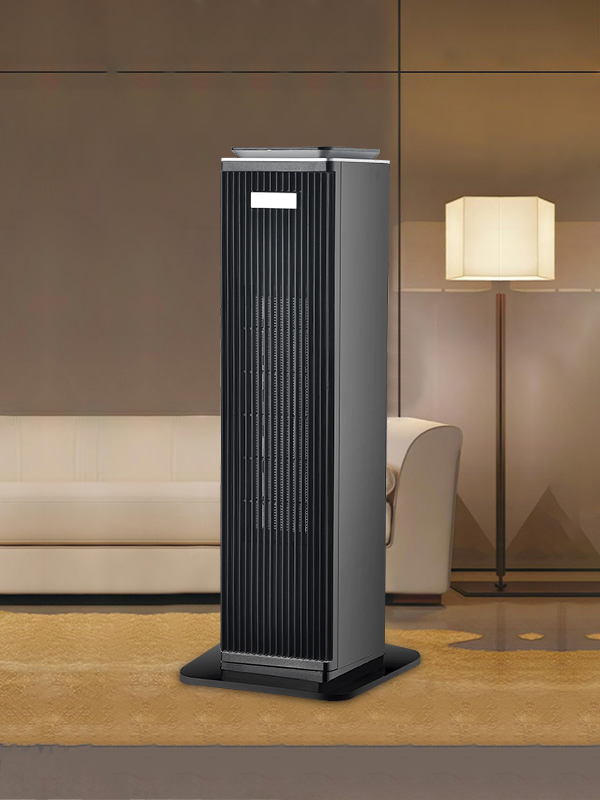
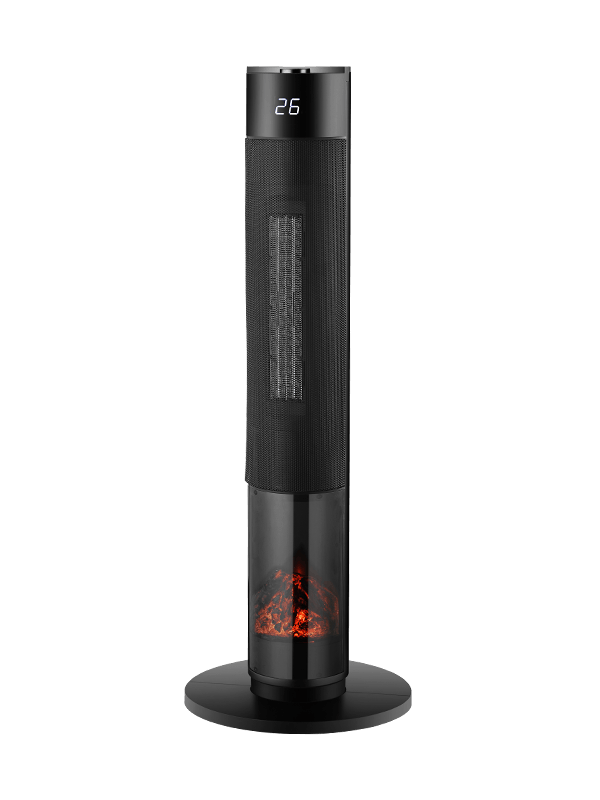
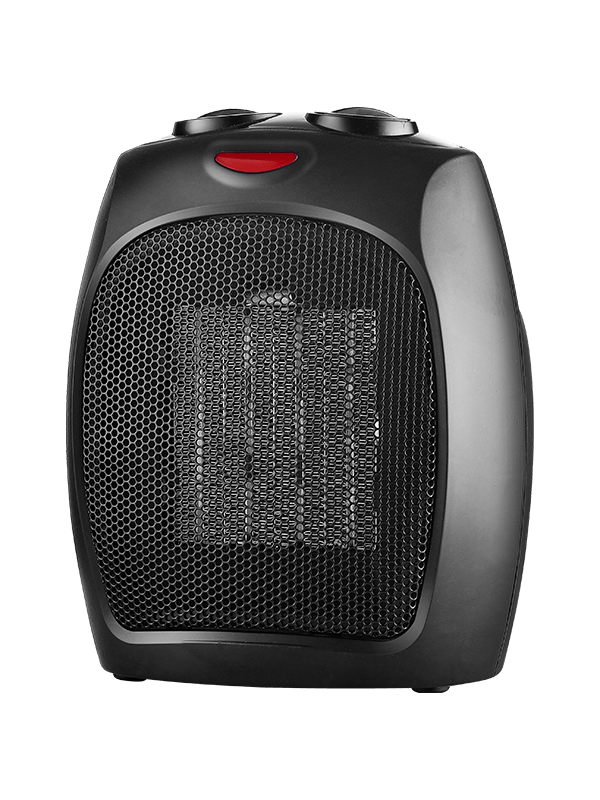
Ceramic heaters use a ceramic heating plate paired with an internal fan to force warm air into the room. They heat up quickly and are among the most common portable heaters for small to medium rooms because of their compact size and relatively low surface temperature, which reduces burn risk compared to exposed coil heaters.
These heaters circulate heated diathermic oil through internal fins, radiating heat slowly and steadily without a fan. They take longer to warm a room but retain heat well after being switched off, and their quiet, fanless operation makes them popular for bedrooms and offices.
Infrared heaters warm people and objects directly rather than heating the surrounding air, making them effective for spot-heating a specific area, such as a desk or a spot on a porch. They provide near-instant warmth but do little to raise the overall temperature of a large room.
Compact and inexpensive, fan heaters push air over a metal heating element using an electric fan. They warm small spaces quickly but tend to be noisier and less efficient at maintaining consistent temperature over long periods compared to oil-filled or ceramic models.
A hybrid design using thin mica panels, micathermic heaters combine fast radiant warmth with some convective airflow. They are thinner and lighter than oil-filled radiators while still operating quietly, making them a middle-ground option between radiant and convection heating.
| Heater Type | Heating Method | Warm-Up Speed | Best For |
|---|---|---|---|
| Ceramic | Convection (fan-forced) | Fast | Small to medium rooms |
| Oil-Filled Radiator | Convection (passive) | Slow | Bedrooms, overnight use |
| Infrared | Radiant | Instant | Spot heating, patios |
| Fan Heater | Convection (forced-air) | Fast | Quick spot warming |
| Micathermic | Radiant + convection | Moderate | Offices, quiet spaces |
Undersized heaters run constantly without reaching a comfortable temperature, while oversized units waste energy. A commonly used guideline is 10 watts of heating power per square foot of space with standard 8-foot ceilings and average insulation.
For example, a 150-square-foot bedroom would need approximately 1,500 watts of heating capacity under standard conditions — matching the output of most full-size ceramic or oil-filled heaters, which commonly max out at 1,500 watts, the typical limit for a standard household circuit.
Because most portable heaters draw close to their full rated wattage continuously while running, operating cost is straightforward to estimate. A 1,500-watt heater running for 8 hours consumes 12 kilowatt-hours (kWh) of electricity. At a national average residential rate of roughly $0.16 per kWh, that translates to about $1.92 per day, or close to $58 over a 30-day month of nightly use — a useful figure to weigh against central heating costs before relying on a space heater for extended periods.
Because space heaters are involved in a disproportionate share of home heating fires, safety certifications and built-in protections should weigh as heavily as heating performance when choosing a unit. Look for:
Fire safety organizations report that space heaters account for roughly 43% of home heating fire deaths in the United States, despite representing a smaller share of heating equipment in use, largely because of improper placement and unattended operation. The following practices significantly reduce that risk:
Space heaters are most cost-effective when used to warm a single occupied room rather than as a substitute for whole-home heating. Pairing a portable heater with a lowered central thermostat setting — often called zone heating — can reduce overall energy costs, since heating one room uses far less electricity than heating an entire house.
Using a built-in or plug-in thermostat to maintain a set temperature, rather than running the heater continuously on high, also reduces both energy use and wear on the heating element, helping the unit last longer while keeping running costs predictable.
Space heaters work by converting electricity into heat and distributing it through convection, radiation, or a combination of both, and choosing the right type comes down to matching the heating method to the room and how it's used. Ceramic and fan heaters suit quick, small-space warming; oil-filled and micathermic models suit longer, quieter sessions; and infrared heaters excel at direct spot heating. Regardless of type, prioritizing built-in safety features and following basic placement guidelines is what actually prevents the fire risks most closely associated with portable heaters.
Wall Mounted Heater: The Smart, Space-Saving Solution for Home Heating
2026-06-24Do Tower Heaters Use a Lot of Electricity? The Truth About Running Costs
2026-07-08Your email address will not be published. Required fields are marked *
Copyright © Cixi BEILIGE Electric appliance Co.,Ltd. All Rights Reserved