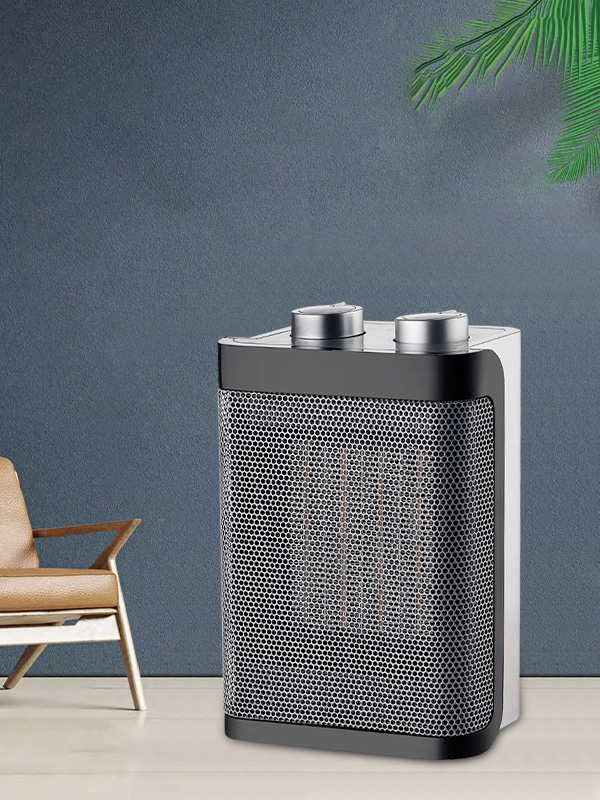
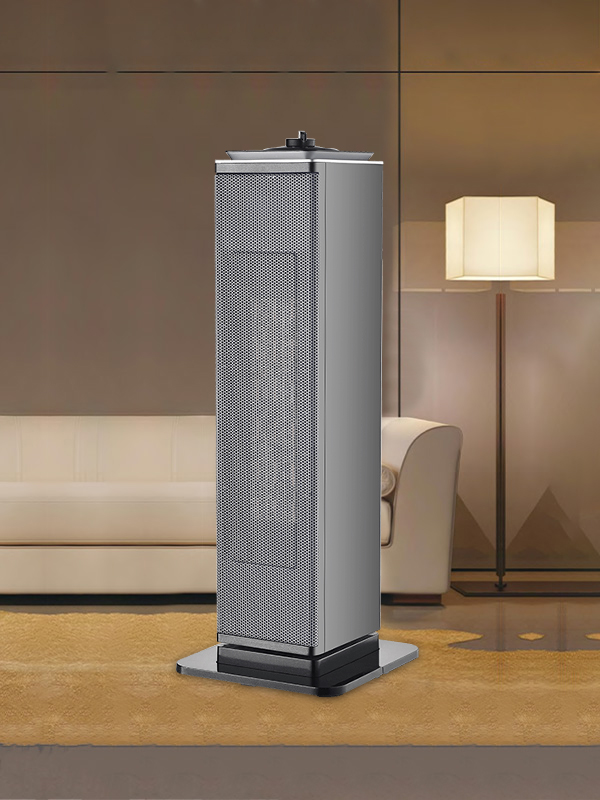
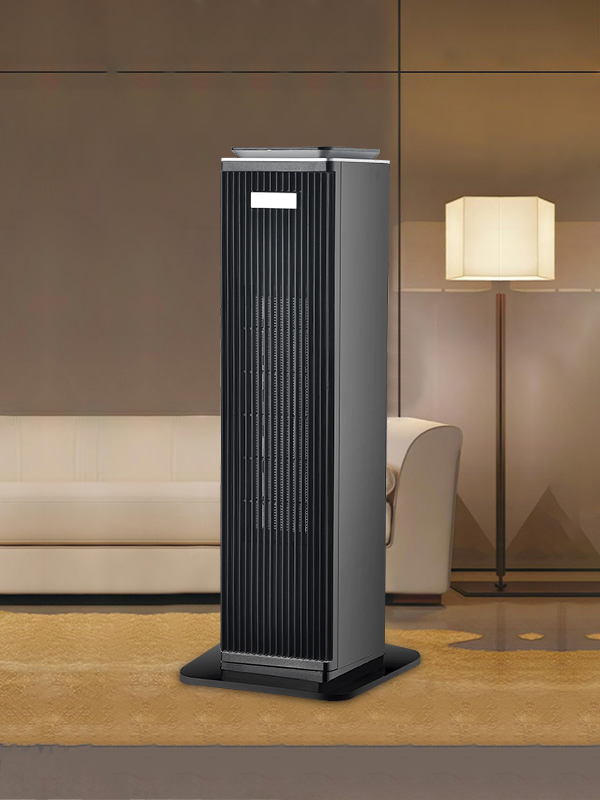
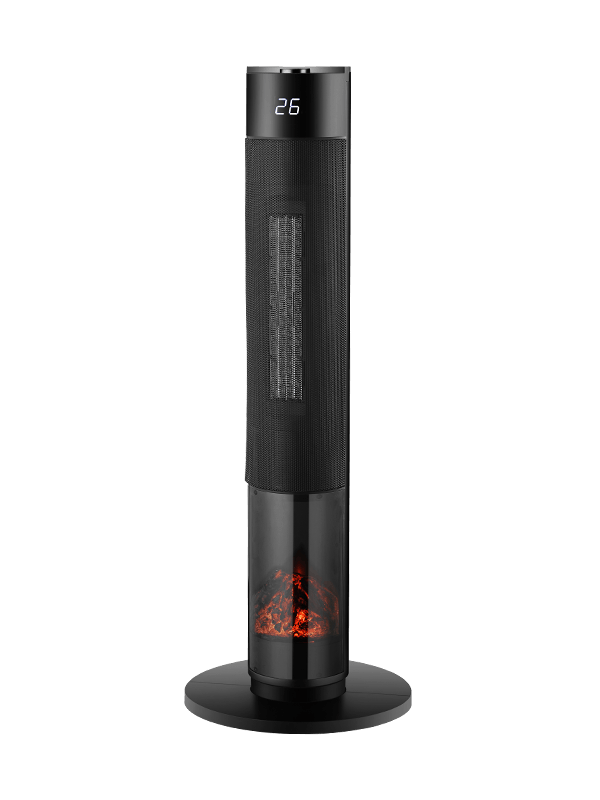
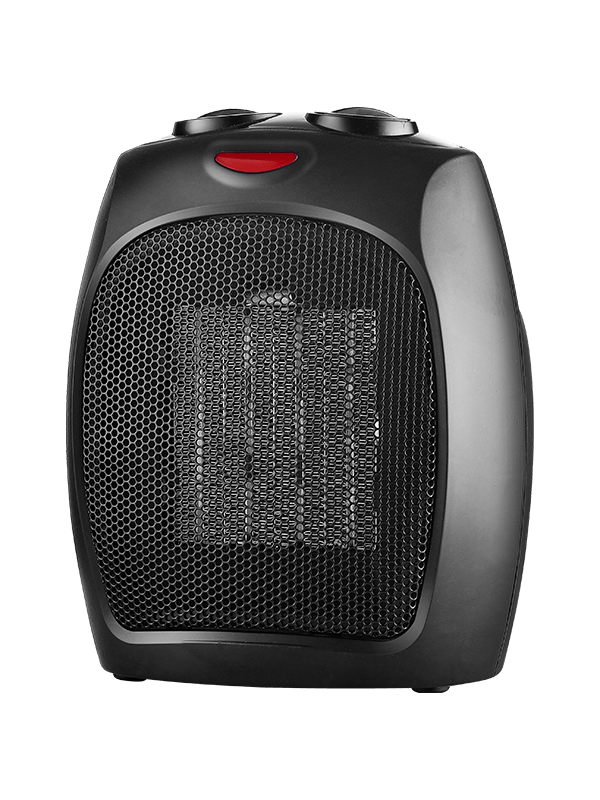
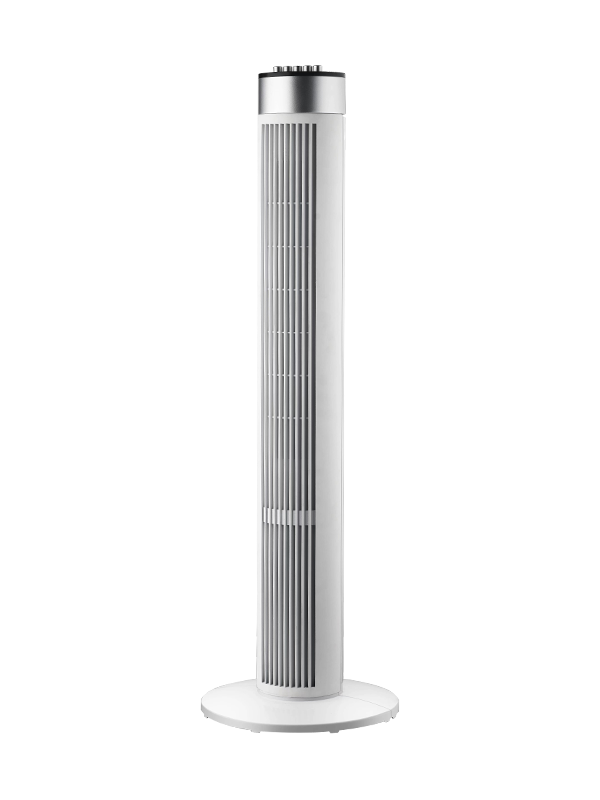
A PTC heater is generally better than a traditional fan heater for safety, temperature stability, and long-term reliability—but a conventional fan heater with a nichrome wire element can heat a room faster at lower upfront cost. PTC (Positive Temperature Coefficient) heaters use a self-regulating ceramic element that automatically limits its own temperature, eliminating overheating risks and reducing fire hazards. Traditional fan heaters use a resistive wire element that heats to a fixed high temperature regardless of ambient conditions. Which is "better" depends entirely on your priorities: safety and consistency favor PTC, while raw heating speed and lower purchase price favor conventional fan heaters.
What Is a PTC Heater and How Does It Differ?
A PTC heater uses a ceramic heating element made from barium titanate or a similar compound doped with rare earth oxides. The defining property of this material is its electrical resistance, which increases sharply as the element heats up beyond a specific Curie temperature—typically set between 60°C and 120°C depending on the formulation. As resistance rises, current draw drops, which reduces heat output automatically. This creates a self-regulating loop: the element settles at a stable operating temperature without any external thermostat or control circuit required.
A conventional fan heater uses a nichrome (nickel-chromium alloy) wire or ribbon element that glows red-hot—reaching surface temperatures of 700°C to 900°C—and relies entirely on the fan airflow and a bimetallic thermostat to prevent overheating. If the fan fails or airflow is blocked, nothing in the element itself prevents the temperature from continuing to rise.
This fundamental difference in heating technology is why PTC heaters and fan heaters behave so differently in practice, despite both being "fan heaters" in a general sense—most PTC space heaters also use a fan to distribute warm air.
Head-to-Head Comparison: PTC vs. Fan Heater
The table below compares the two heater types across the most important selection criteria for residential and office use.
Factor
PTC Heater
Conventional Fan Heater
Element Surface Temperature
60°C–120°C (self-limiting)
700°C–900°C (wire element)
Overheating Risk
Very Low (self-regulating)
Higher (depends on thermostat)
Fire Hazard
Low
Moderate (if fan fails or blocked)
Warm-Up Speed
Fast (seconds to warm air)
Very Fast (near-instant heat)
Temperature Stability
Excellent (auto-adjusts)
Moderate (cycles on/off)
Energy Efficiency
Good–Excellent
Good (at full power)
Air Drying Effect
Low–Moderate
Higher (very hot element)
Odor / Burning Smell
Minimal
Noticeable (especially when new)
Noise Level
Low–Moderate (fan noise only)
Moderate (fan + element noise)
Lifespan
Longer (ceramic element durable)
Shorter (wire element degrades)
Upfront Cost
Higher ($30–$150+)
Lower ($15–$60)
Detailed comparison of PTC heaters and conventional fan heaters across key performance factors
Safety: The Clearest Advantage of PTC Heaters
Safety is the most compelling reason to choose a PTC heater over a conventional fan heater, particularly in homes with children, elderly occupants, or pets, and in unattended or overnight use scenarios.
The nichrome wire element in a conventional fan heater operates at temperatures hot enough to ignite paper, fabric, and many synthetic materials on contact. If the fan motor fails, the thermostat malfunctions, or airflow is blocked by a curtain or piece of clothing, the element temperature can rise unchecked. Space heaters are responsible for approximately 1,700 home fires per year in the United States alone, according to the U.S. Consumer Product Safety Commission, with conventional resistive heaters accounting for a disproportionate share of these incidents.
A PTC element physically cannot exceed its self-limiting temperature. Even if the fan fails completely, the element simply draws less and less current as it heats up, stabilizing at a temperature that—while warm—is far below the ignition point of household materials. Most PTC elements stabilize between 80°C and 120°C at the element surface, compared to 700°C–900°C for nichrome wire. This is not just a thermostat backup—it is a fundamental physical property of the ceramic material itself.
Energy Efficiency: Is One Type More Economical to Run?
Both PTC heaters and conventional fan heaters convert electrical energy into heat at close to 100% efficiency—a fundamental property of all resistive electric heaters. In this sense, neither type is inherently more energy-efficient at a given wattage rating.
The practical efficiency difference comes from how each heater manages power consumption over time. A conventional fan heater cycles between full power (e.g., 2,000W) and off, controlled by a bimetallic thermostat with a response lag. A PTC heater, by contrast, continuously modulates its own power draw in proportion to the temperature differential between the element and the surrounding air. In a room that is already partly warm, a PTC heater automatically pulls less power than its rated maximum—whereas a nichrome heater runs at full rated wattage until its thermostat cuts it off.
In practical testing, a 1,500W PTC heater maintaining a room at a target temperature may draw an average of 800–1,100W once the room approaches the setpoint, compared to a 1,500W fan heater cycling between full power and zero. Over extended use—several hours per day over a winter—this self-modulation can meaningfully reduce energy consumption, though the exact savings depend on room size, insulation, and ambient temperature.
Heating Speed and Room Warming Performance
This is an area where conventional fan heaters hold a real advantage. A nichrome element reaches its full operating temperature in under 5 seconds, and many fan heaters deliver a strong blast of hot air almost immediately after switch-on. PTC elements also warm up quickly—typically within 30–60 seconds—but the output air temperature is lower because the element surface temperature is lower by design.
For a user who wants instant, intense heat for a few minutes (warming up quickly after coming in from the cold, for example), a conventional fan heater's higher element temperature produces a more immediately noticeable warm blast. For sustained room heating over 30–60 minutes, the performance difference narrows significantly, and a PTC heater's consistent output becomes an advantage.
PTC heaters also maintain more consistent outlet air temperature as the room warms up, because the element automatically reduces output in proportion to demand. A conventional fan heater at full power in a nearly warm room delivers the same hot blast as it does in a cold room—which can lead to uncomfortable temperature swings between the heater's on and off cycles.
Air Quality and Comfort Differences
People who are sensitive to air quality—particularly those with respiratory conditions, allergies, or dry skin—often notice a meaningful difference between the two heater types in extended use.
Odor and Burning Smell
Conventional fan heaters with nichrome elements operating at 700°C–900°C can scorch dust particles that settle on the element between uses, producing a characteristic burning smell each time the heater is first switched on. Over time, off-gassing from the heated wire and housing materials can add to this effect. PTC elements operate at temperatures well below the threshold at which dust scorching occurs, producing virtually no odor in normal use.
Humidity and Dryness
Both heater types reduce relative humidity in a room by warming the air (warmer air holds more moisture, so the same absolute humidity feels drier). However, the extremely high element temperature in a conventional fan heater accelerates this effect. Users in dry climates or those prone to dry skin and eyes often find PTC heaters more comfortable over extended periods. Neither type adds moisture to the air—a humidifier is needed if air dryness is a primary concern regardless of heater type.
Ionization and Air Chemistry
Very high-temperature nichrome elements can cause localized ionization of air molecules and trace oxidation of oxygen, which some users perceive as a faint metallic or "electric" smell. PTC elements do not reach temperatures at which these effects occur meaningfully in normal residential use.
Lifespan and Durability
PTC ceramic elements have a longer operational lifespan than nichrome wire elements because they are not subject to the same thermal stress cycles. Nichrome wire expands and contracts with each heating cycle, and over thousands of cycles, this causes micro-cracking and eventual element failure—a process accelerated by operating at very high temperatures. Nichrome elements in budget fan heaters typically last 1,000 to 3,000 operating hours, while PTC ceramic elements in well-made heaters are rated for 10,000 hours or more.
The limiting factor in PTC heater lifespan is usually the fan motor rather than the heating element itself. A quality brushless fan motor in a PTC heater can match the element's longevity, making the heater as a whole significantly more durable than a comparable nichrome fan heater. This longer lifespan partially offsets the higher upfront cost of PTC models.
Cost Comparison: Upfront Price vs. Long-Term Value
The price gap between PTC and conventional fan heaters has narrowed as PTC technology has become mainstream, but a difference remains at the budget end of the market.
Entry-level conventional fan heaters: $15–$35 for basic 1,500W models with manual thermostat and two heat settings. These are the lowest-cost option for immediate purchase.
Entry-level PTC heaters: $30–$60 for basic 750W–1,500W models. The price premium over conventional heaters at this level is typically $15–$25.
Mid-range PTC heaters: $60–$150 for models with programmable timers, digital thermostats, oscillation, remote controls, and safety certifications. These represent the best value for regular daily use.
Operating cost: Both types cost approximately the same per hour at equal wattage—a 1,500W heater running for 1 hour at $0.15/kWh costs roughly $0.225 regardless of element type. The PTC's self-modulation advantage only applies when the heater is maintaining temperature, not when heating a cold room from scratch.
Which Type Should You Choose?
The right choice depends on your specific use case, priorities, and budget. Use the following guidance to make the decision straightforward.
Choose a PTC Heater When:
You have children, elderly family members, or pets, and safety is a top priority.
You want to use the heater for several hours daily over a full heating season—the longer lifespan and efficiency benefits add up.
Air quality, odor, or respiratory sensitivity is a concern.
You need consistent, stable room temperature maintenance rather than occasional short bursts of heat.
You are using the heater in a small enclosed space like an office cubicle, bathroom, or van, where overheating risk is higher.
Choose a Conventional Fan Heater When:
You need the lowest possible upfront cost and plan occasional, short-duration use under supervision.
You want the fastest possible blast of hot air for brief warm-up use.
You need a backup or emergency heater that will be used only rarely.
You are in a large, well-ventilated space where maximum continuous heat output is more important than temperature precision.

 en
en  English
 中文简体
中文简体 Español
 عربى
عربى русский