 en
en  English
 中文简体
中文简体 Español
 عربى
عربى русский
News
Home / News / Industry News / How Did People Survive Without AC? Cooling Wisdom Before Air Conditioning
We are a professional heater supplier.
Content
When a summer heat wave rolls in and the power grid strains under the weight of millions of air conditioners, it is natural to wonder: how did people survive without AC? For most of human history, nobody had a compressor, refrigerant, or even electricity, yet communities thrived in some of the hottest climates on Earth, from the deserts of the Middle East to the humid valleys of southern China. The answer was never a single invention. It was a combination of clever buildings, thoughtful daily habits, and simple tools for keeping air in motion. As a company that has spent more than four decades designing heating and cooling appliances, we find the old methods genuinely impressive, and many of their underlying principles still shape the products we build today.
Air conditioning is a remarkably young convenience. The first practical electric air conditioner appeared in 1902, but for decades it remained a luxury reserved for theaters, department stores, and a handful of public buildings. As late as the 1960s, most households across Europe, Asia, and even the United States managed summer after summer without a single cooling unit. People were not simply enduring discomfort; they had organized their homes, their cities, and their schedules around the reality of heat.
That mindset is the key to understanding how our ancestors coped. Instead of fighting the weather with machines, they designed around it, using physics, observation, and patience to keep living spaces tolerable through even the longest hot season.
Long before thermostats existed, builders were the climate engineers of their day, and many traditional construction techniques were essentially passive cooling systems.
In hot, arid regions, Persian architects developed windcatchers, tall tower structures that scoop passing breezes and channel them down into the living spaces below. Across the Middle East, North Africa, and Asia, homes wrapped around interior courtyards, where shaded air cooled overnight and circulated through surrounding rooms the next day. Verandas, high ceilings, transom windows above doorways, and louvered shutters all served the same purpose: keeping air moving so heat never had a chance to stagnate indoors.
Heavy materials such as adobe, stone, and thick brick absorbed heat during the day and released it slowly at night, flattening the worst temperature swings. Deep eaves, awnings, and climbing vines kept direct sunlight off walls and windows, while pale exterior finishes reflected solar energy back into the sky. In the American South and other humid regions, houses were often raised on piers to catch passing breezes and featured wide sleeping porches, where families moved their beds on sweltering nights.
Just as important as the buildings was how people lived inside them. Survival in hot weather was largely a matter of scheduling. Farmers and laborers started work at dawn, rested through the scorching midday hours, and returned to their tasks in the late afternoon. The midday nap, from the Spanish siesta to the afternoon rest common across Asia, was not laziness but a practical adaptation that reduced exertion during the most dangerous hours.
Clothing and food choices mattered too. Loose, light-colored garments of linen and cotton let air reach the skin and sweat evaporate freely. Meals shifted toward cool fruits, vegetables, and dishes that did not heat up the kitchen, and cooking itself often moved outdoors. Evenings were spent on porches, in courtyards, or in cool cellars, wherever the air felt best. The most common techniques can be summarized simply:
| Method | How It Worked | Where It Was Common |
|---|---|---|
| Windcatchers | Towers captured breezes and directed them into rooms | Persia and the Middle East |
| Courtyards and porches | Shaded outdoor spaces stayed cooler than interiors | Southern Europe, Asia, the Americas |
| Thick walls and shading | Thermal mass and deep shade delayed heat buildup | Mediterranean and desert regions |
| Hand fans and punkahs | Moving air sped up evaporation from skin | Nearly everywhere |
| Ice harvesting | Winter ice stored in ice houses cooled food and rooms | Cold-winter regions |
| Adjusted schedules | Work, meals, and sleep were timed around the heat | Universal |
Before refrigeration, cold was a resource people harvested. Each winter, teams cut blocks of ice from frozen lakes and rivers and packed them deep inside insulated ice houses, where sawdust and straw slowed melting so effectively that ice could survive into midsummer. Iceboxes kept food safe, and on special occasions a block of ice set in front of a fan became an early form of chilled air.
Evaporation provided another powerful tool. Hanging damp sheets in doorways, sprinkling water over courtyards, and sleeping near fountains all exploited the same physics: as water evaporates, it draws heat out of the surrounding air. This principle later evolved into the evaporative coolers still used in dry climates today.
Air movement, of course, was the oldest cooling technology of all. Folding hand fans appeared in virtually every warm culture, and in parts of Asia large cloth punkahs were pulled back and forth by hand to sweep entire rooms. The arrival of the electric fan in the 1880s simply automated what people had always done instinctively: put air in motion to make heat bearable.
Strip away the centuries, and nearly every historical method comes back to one idea: comfort depends less on the temperature of the air than on how quickly it moves past your skin. A steady airflow accelerates evaporation, which can make a warm room feel noticeably milder without removing any heat from it.
That is exactly why fans remain relevant even in an air-conditioned world, and why so many households are rediscovering these old habits. A few principles borrowed from history still work beautifully today:
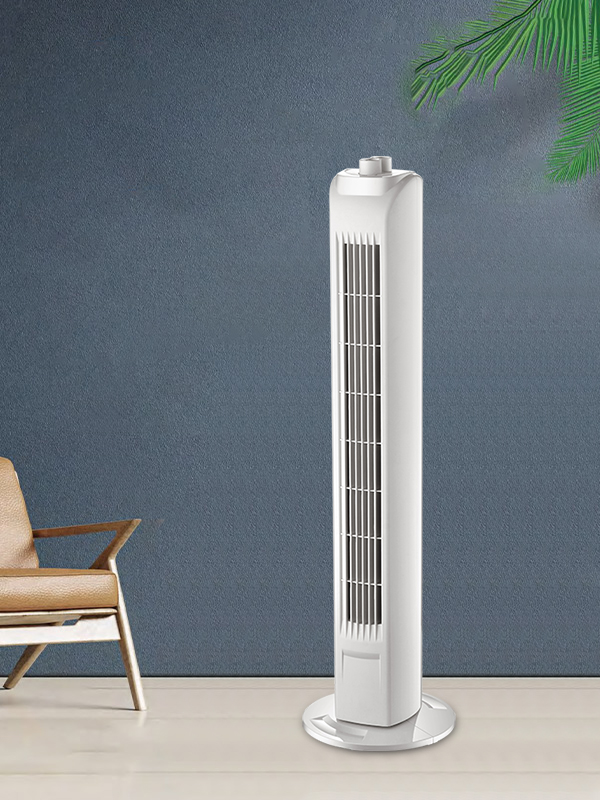
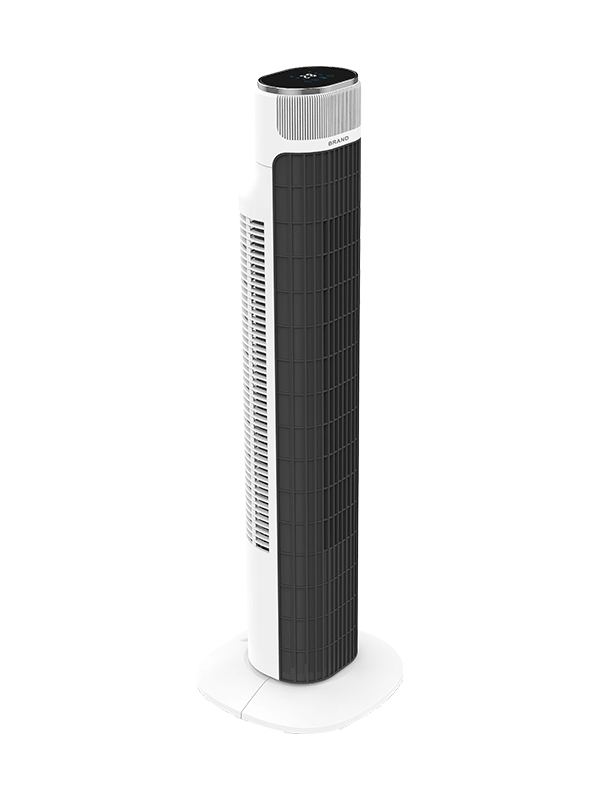
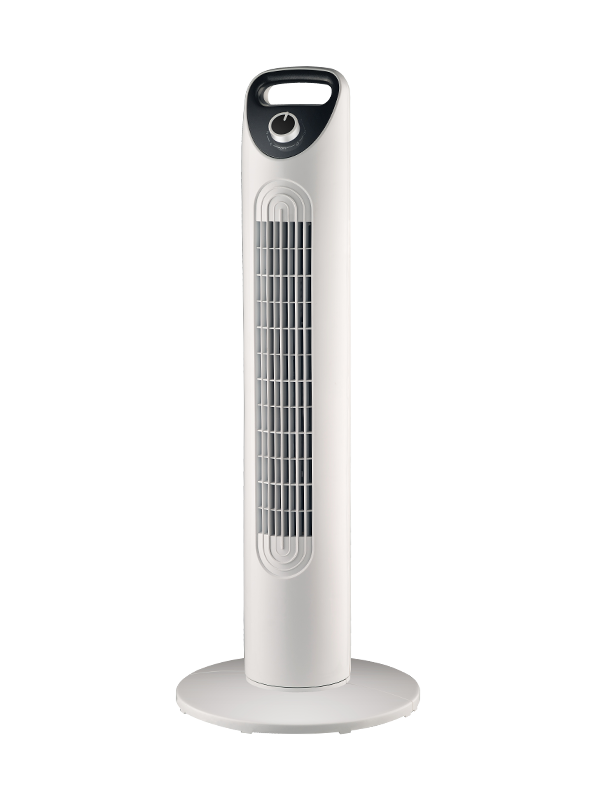
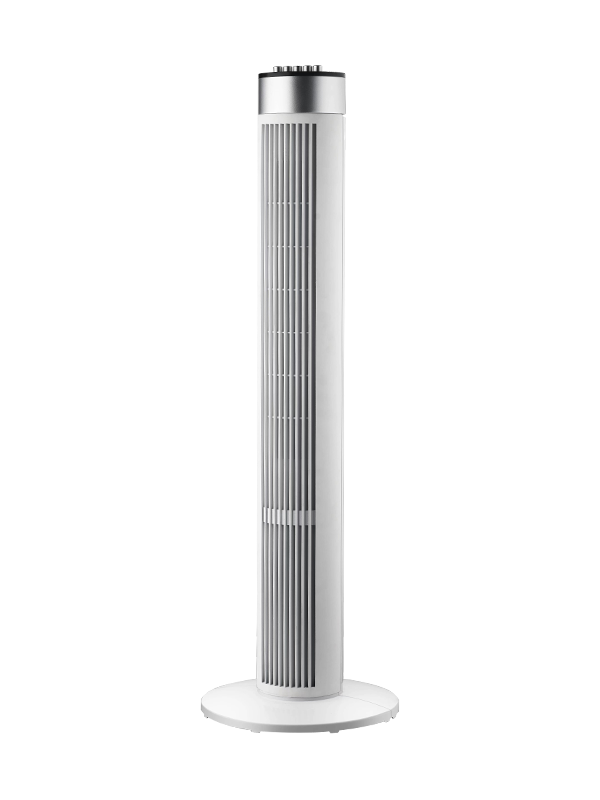
Modern fans are simply refined versions of the windcatcher and the punkah. A slim tower fan like the one below, for example, delivers wide oscillation and quiet, whole-room airflow while occupying almost no floor space.
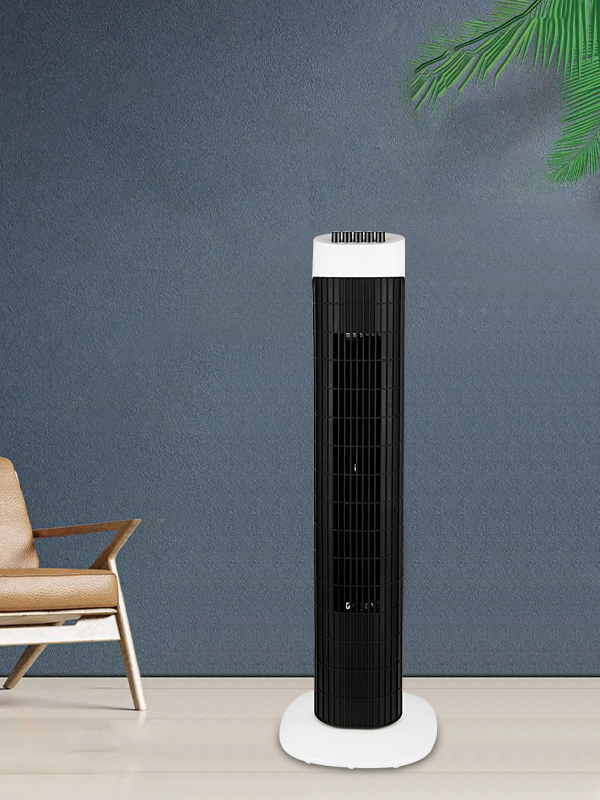 TF803 45W LED Display Auto Oscillating Tower FanThis slim 31-inch tower fan delivers wide auto oscillation, three speeds, and a timer, providing quiet whole-room airflow while taking up almost no floor space, a modern take on classic air-moving designs.View Product →
For anyone who wants that classic courtyard-style circulation, a dedicated air circulator is the closest modern equivalent, gently rolling air around the room so no corner stays stuffy.
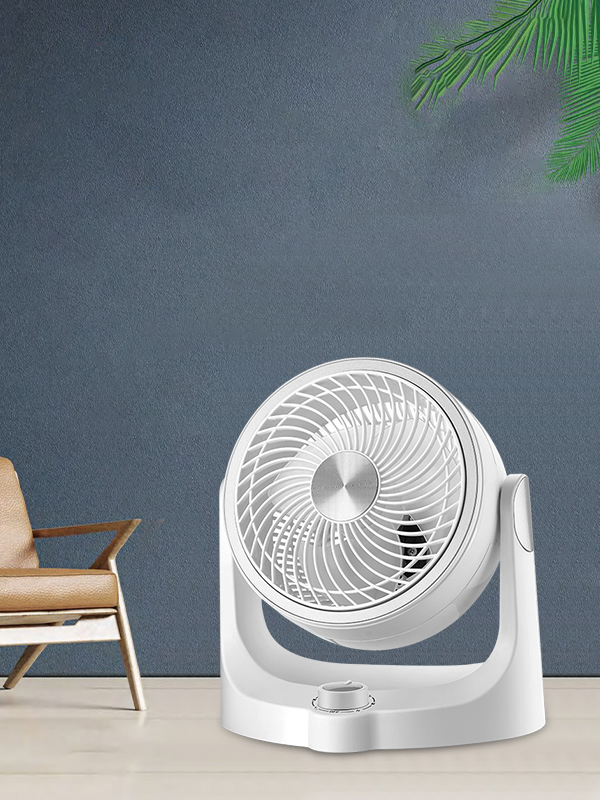 XH-03 AC Home Portable Table Air Circulator FanA lightweight tabletop circulator that stirs indoor air into convection loops, with adjustable speeds and oscillation, making it a modern equivalent of courtyard-style circulation so no corner stays stuffy.View Product →
If you are unsure which type of fan suits your space, our guide to choosing between air circulators and traditional fans breaks down the differences in plain language.
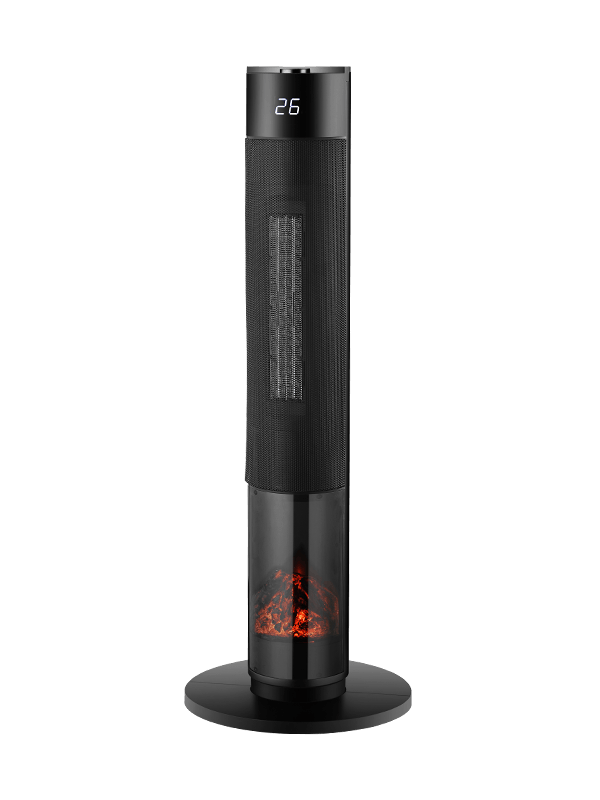
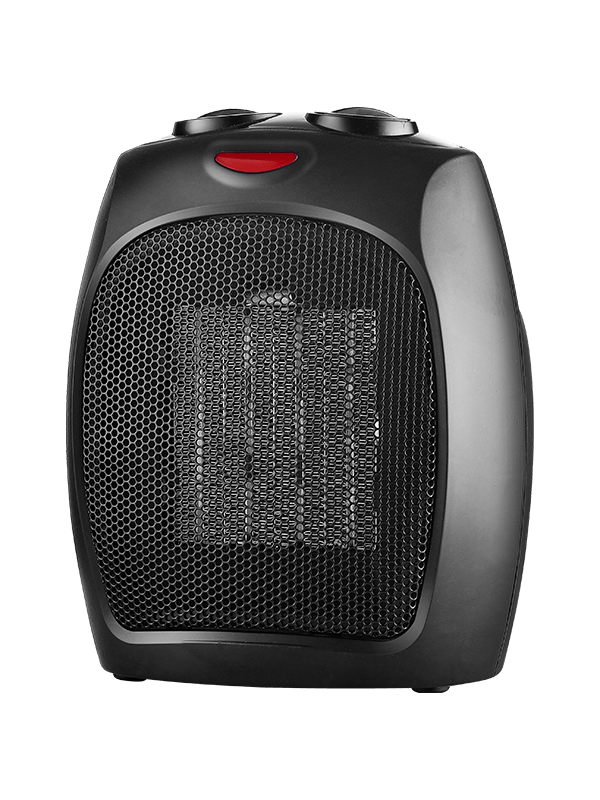
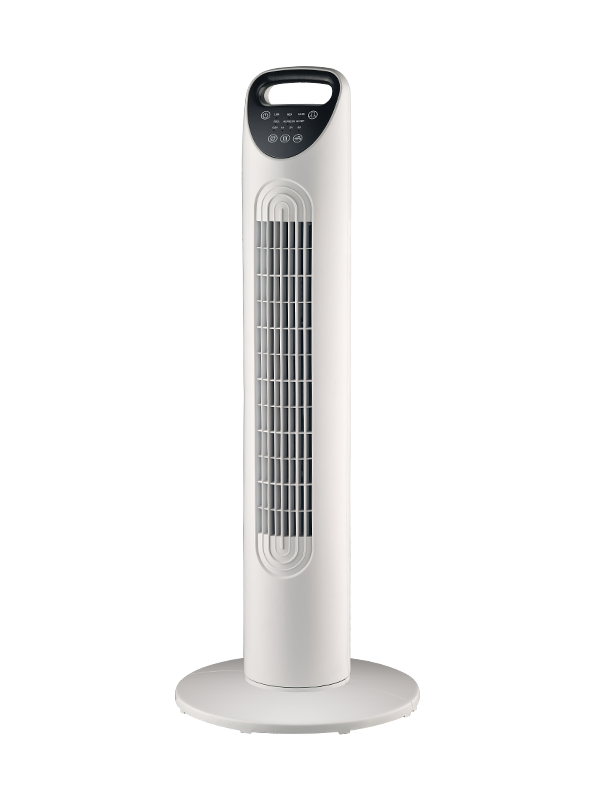
There is a pleasing symmetry here. The principle that kept our ancestors comfortable in July keeps rooms comfortable in January, only in reverse. Warm air rises and settles unevenly, so a heater that stirs the air warms a room far more evenly than one that lets heat pool at the ceiling. That is precisely why fan heaters and PTC ceramic heaters became the backbone of modern electric heating: they pair a heating element with the age-old trick of moving air, and a dual-purpose tower design can even serve a household through both seasons.
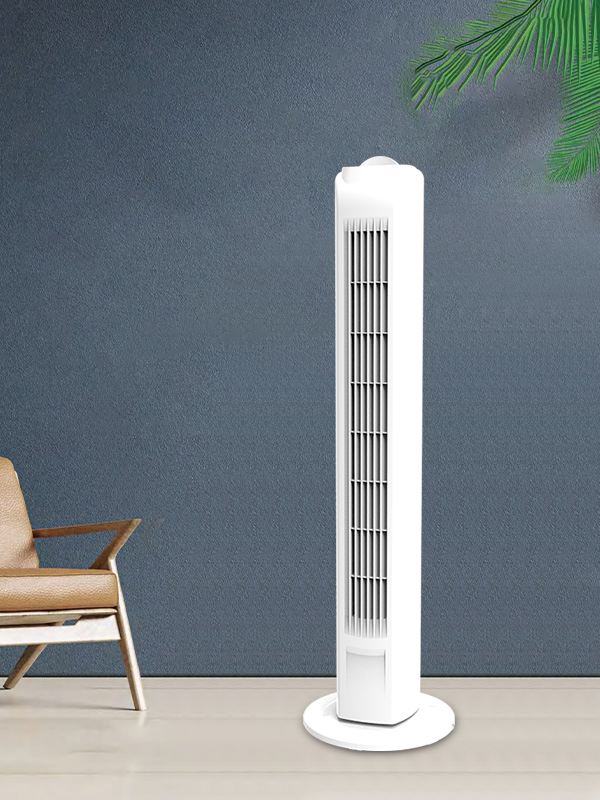 TF801 Home Portable Oscillating PTC Ceramic Tower Fan HeaterPairing PTC ceramic heating with a fan that stirs the air, this oscillating tower heater warms rooms evenly, features tip-over and overheat protection, and serves a household through both halves of the year.View Product →
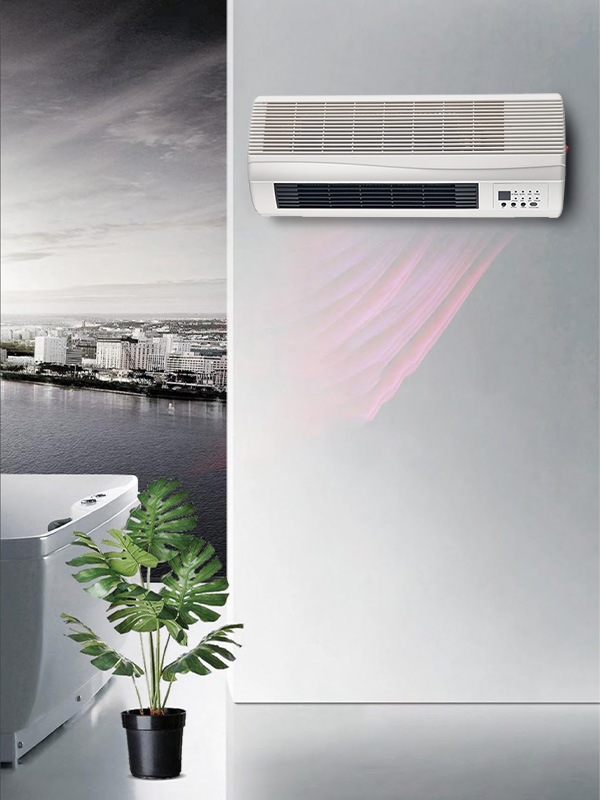
Having designed and manufactured air-moving appliances since 1981, we have watched this one simple idea, airflow for comfort, carry families through both halves of the year. Our factory has grown alongside it, from early fan heaters to today's ceramic, wall-mounted, and tower designs shipped to customers across Europe, the Americas, and Japan.
So how did people survive without AC? They observed the weather, shaped their homes to work with it, timed their days around it, and kept air moving with whatever tools they had. We have better tools now, but the physics has not changed, and honestly, neither has the satisfaction of a well-placed breeze on a hot afternoon.
how can i keep my house warm in winter: Practical Applications, Selection, Performance
2026-09-17How Do Room Heaters Work? A Manufacturer's Guide to Electric Heating Types
2026-09-30Your email address will not be published. Required fields are marked *
Copyright © Cixi BEILIGE Electric appliance Co.,Ltd. All Rights Reserved