 en
 English
 中文简体
 Español
 عربى
 русский

News
Home / News / Industry News / 3000W Heater Running Cost: Hourly, Daily and Monthly Math for Homeowners
We are a professional heater supplier.
Content
Few questions come up as often in heater conversations as this one: how much does a 3000W heater cost to run? The honest answer starts with a simple number. A 3000W heater is a 3 kW appliance, so at full output it uses 3 kilowatt-hours (kWh) every hour. Multiply 3 by your electricity rate and you have the hourly cost. At $0.20/kWh that is $0.60 per hour; at $0.15/kWh it is $0.45; at $0.30/kWh it is $0.90.
That is only the starting point. Real costs depend on how long the heater stays at full power, how often the thermostat cycles it, the room's size and insulation, and your tariff. A 3000W heater suits a large cold room or workshop; it can be more than a small bedroom needs.
The arithmetic is the same for any electric heater. Convert watts to kilowatts by dividing by 1,000, multiply by hours used, then multiply by your price per kWh.
For a 3000W heater: 3 kW × 1 hour = 3 kWh. At $0.20/kWh, one hour costs $0.60, four hours cost $2.40, and thirty days at four hours a day cost about $72. Eight hours a day would be about $144 over 30 days. If the heater runs at half output or cycles on for half the time, those figures fall roughly in half.
Here is the same heater at a range of rates. The table assumes full output for every hour shown, so treat it as a ceiling rather than a promise.
| Electricity rate | Cost per hour | Cost per day (4 hours) | Cost per 30 days |
|---|---|---|---|
| $0.10/kWh | $0.30 | $1.20 | $36.00 |
| $0.15/kWh | $0.45 | $1.80 | $54.00 |
| $0.20/kWh | $0.60 | $2.40 | $72.00 |
| $0.25/kWh | $0.75 | $3.00 | $90.00 |
| $0.30/kWh | $0.90 | $3.60 | $108.00 |
Use your own tariff for a closer estimate. Prices vary by country, region and time of day, and standing charges are not included here.
A heater label tells you the maximum power it can draw, not what it draws every minute. Many 3000W models have two settings, such as 1500W and 3000W. A thermostat switches the element off when the room reaches the set temperature and back on when it falls. A timer stops the heater after a set period. In a well-insulated room the average draw can be well below 3 kW; in a draughty room on a cold day it may stay near full output for long stretches.
Electric resistance heating turns almost all the electricity it uses into heat. A 3000W PTC ceramic heater and a 3000W coil heater deliver broadly similar heat per kWh. PTC heaters can warm up quickly, hold a steadier output and pack safety features into a compact body, but they do not create extra heat from the same electricity. Savings come from using less energy or losing less heat, not from the element's name.
If you are comparing sizes, our guide to 1500W running costs uses the same method.
At the same rate, a 1500W heater uses 1.5 kWh per hour and a 2000W heater uses 2 kWh. A 3000W heater uses 3 kWh. The hourly cost scales with wattage:
The cheaper hourly figure is not the whole story. A smaller heater may need to run longer to lift a large room to the same temperature, while a 3000W heater may heat it faster and then cycle. Compare kWh delivered over the same period, not just the wattage on the box.
A 3000W load deserves respect. At 240V it draws about 12.5A; at 230V about 13A; at 120V it would draw 25A. In North America, a 3000W heater is usually a 240V appliance on a dedicated circuit, not a standard 15A bedroom socket. In the UK and Europe, 3000W is close to the limit of a 13A plug, so check the plug, cable and circuit. Avoid extension leads and multi-socket adaptors, keep clearance around the heater, and never cover it. In bathrooms or damp areas, use only models rated for the location.
Safety features are part of running cost too. Tip-over protection, overheat cut-out and a timer can prevent a heater from running unattended for hours. A portable PTC model with tip-over protection is a practical option for spot heating.
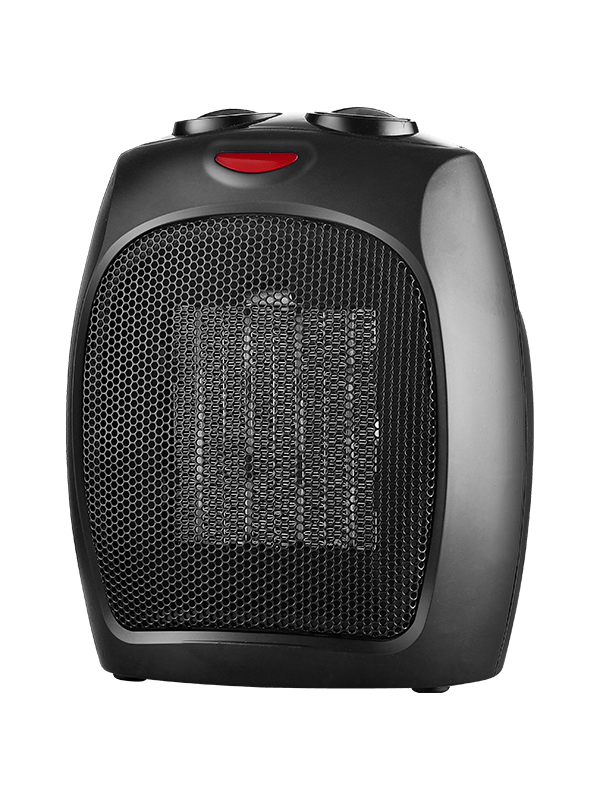
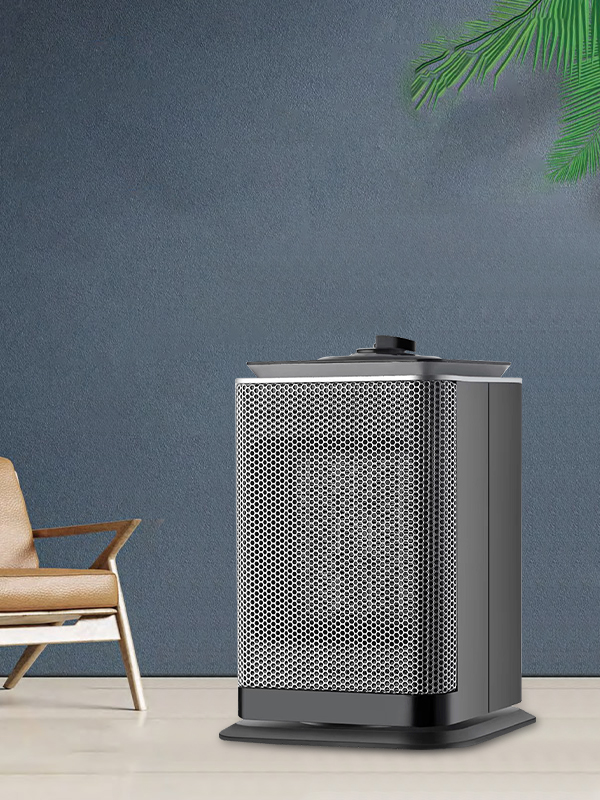 HPC-D1504YL-D Portable PTC Heater with Tip-Over ProtectionA portable 750W/1500W PTC ceramic heater with adjustable thermostat, oscillation and tip-over/overheat protection, suited to spot heating where safety and running habits matter.View Product →
Running cost is mostly a function of time and temperature. These habits make a bigger difference than switching between similar heater types:
If you are still choosing a format, our portable PTC heaters range shows how low and high settings, timers and safety features are combined in compact units.
Tower heaters with timers are another way to avoid the "left on all evening" problem.
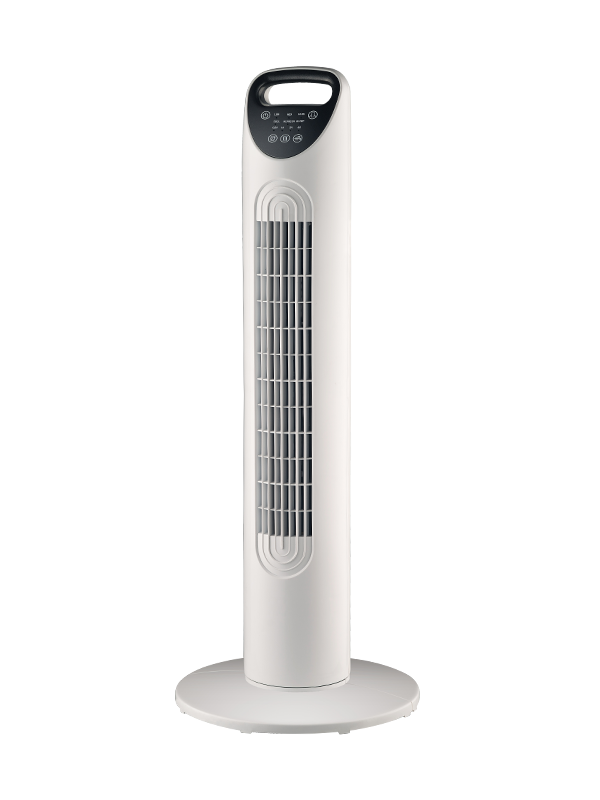
 TF806 Freestanding PTC Tower Fan Heater with TimerA freestanding 31-inch PTC tower fan heater with a two-hour timer, oscillation and carry handle, worth considering for flexible home heating with timed operation.View Product →
A 3000W heater is often bought for a garage, workshop, large open-plan room or patio. For a bedroom, study or small living room, a 2000W wall-mounted heater can be a better fit: it uses less power at full output, takes up no floor space and can be controlled by a thermostat or remote.
Look at room size, insulation, ceiling height and how often the room is used. A heater that is too small may run continuously and never reach the set temperature; one that is too large may cycle noisily and cost more than expected. If you are unsure, start with a lower-wattage model and measure how it performs in your own room.
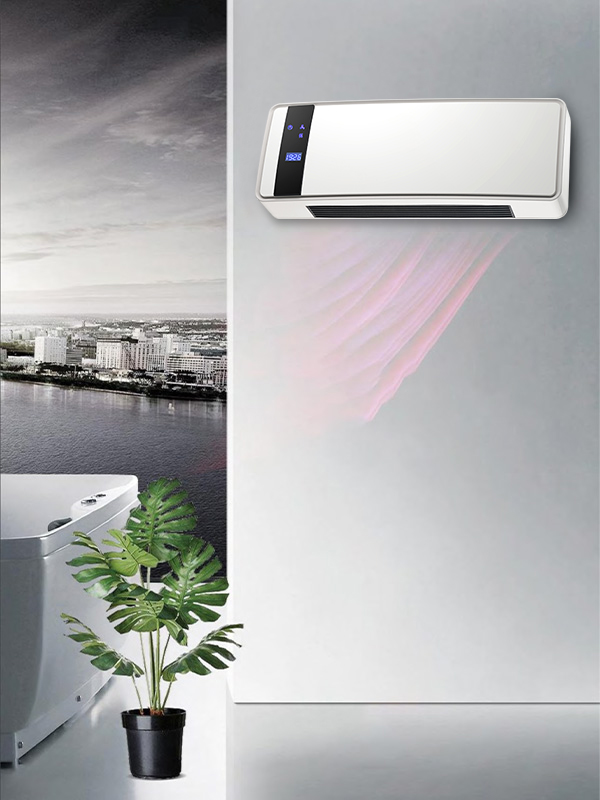 BPT-2000B Wall-Mounted 1000W/2000W PTC Ceramic HeaterA wall-mounted PTC heater with 1000W and 2000W modes, remote control, 24-hour and weekly timers, plus overheating protection and child lock for adjustable timed room heating.View Product →
It uses 3 kWh per hour at full output. At $0.20/kWh that is $0.60 per hour. Whether that feels expensive depends on your tariff, how many hours you use it and what you would otherwise spend on central heating.
No. It uses 3 kWh per hour only while drawing full power. Lower settings, thermostats and timers reduce the average. A heater that cycles on for 30 minutes in an hour uses roughly half the energy.
Not per hour at full output; it uses twice the energy. It may heat a large room faster and cycle sooner, so compare the total kWh used to keep the room comfortable, not just the wattage.
It depends on voltage and circuit. At 120V, 3000W draws 25A, which is not a normal domestic plug load. At 230-240V it draws about 12.5-13A, but the plug, cable and circuit must be rated for it. A dedicated circuit is the safer choice.
how many watts to run a portable heater: Practical Applications, Selection, Performance
2026-11-12How Much Does a 400W Heater Cost to Run? Real Numbers and a Simple Formula
2026-11-19Your email address will not be published. Required fields are marked *
Copyright © Cixi BEILIGE Electric appliance Co.,Ltd. All Rights Reserved