 en
 English
 中文简体
 Español
 عربى
 русский

News
Home / News / Industry News / how much does a 300 watt heater cost to run: Practical Applications, Selection
We are a professional heater supplier.
Content
Short answer first: a 300 watt heater draws 0.3 kWh of electricity for every hour it runs at full power. At a rate of $0.15 per kWh that works out to about 4.5 cents an hour — roughly $1.08 if it stayed on for a full 24 hours, and around $10.80 for a month of eight-hour evening use. In most homes the real figure is lower still, because a heater with a thermostat spends part of its time switched off.
The rest of this guide walks through the arithmetic, shows what the same heater costs under different tariffs, and explains the practical reasons your bill rarely matches a simple multiplication.
Electric heating is one of the few household costs you can estimate without any special equipment. Every heater sold in Europe, North America and most other markets carries a wattage rating on its label, and your electricity bill shows the price you pay per kilowatt-hour (kWh). Two steps connect them:
So a 300 W heater running for six hours uses 0.3 × 6 = 1.8 kWh. At $0.20 per kWh that is $0.36 for the evening. Nothing about the heater's shape, brand or price changes this relationship: a resistive element and a PTC ceramic element both turn essentially all of the electricity they consume into heat, so 300 watts in means 300 watts of heat out either way.
Tariffs vary enormously between countries, regions and even times of day, so the honest way to answer "how much does a 300 watt heater cost to run" is to show a range. The table below keeps the heater fixed at 300 W and changes only the price of electricity.
| Electricity rate | Per hour | 8 hours a day | 30 days at 8 h/day | 24/7 for 30 days |
|---|---|---|---|---|
| $0.10 / kWh | $0.03 | $0.24 | $7.20 | $21.60 |
| $0.15 / kWh | $0.045 | $0.36 | $10.80 | $32.40 |
| $0.20 / kWh | $0.06 | $0.48 | $14.40 | $43.20 |
| $0.25 / kWh | $0.075 | $0.60 | $18.00 | $54.00 |
| $0.30 / kWh | $0.09 | $0.72 | $21.60 | $64.80 |
| $0.35 / kWh | $0.105 | $0.84 | $25.20 | $75.60 |
Even at the top of that range, a 300 W unit is one of the cheapest powered heaters you can plug in. For comparison, the same maths applied to a larger appliance is covered in our breakdown of the cost of running a 1500 watt heater, where each hour of full output consumes five times as much electricity.
If you multiply 0.3 kWh by every hour the heater is switched on at the wall, you will normally overshoot. Several things intervene.
Once the room or the area around the heater reaches the set temperature, the element cycles off and only the fan runs. A heater that is powered for eight hours might only draw full current for four or five of them. This duty cycle, not the nameplate wattage, is what determines real consumption.
A 300 W heater in a small, draught-free room may satisfy its thermostat quickly and then tick over at a low average draw. The same heater in a cold, open space will run flat out and still fail to reach the set point — expensive and ineffective at the same time.
Heating an empty room is the most common source of waste. A timer that switches the unit off after two hours, or an eco setting that caps output once the temperature is reached, usually saves more than any difference in purchase price.
Time-of-use plans, night rates and off-peak windows can change the per-kWh price by a factor of two or three. Running a small heater during a cheap window costs a fraction of running it at peak.
People often ask how much a 300 W heater costs to run without first asking what it can do. The honest answer is that it is a spot heater, not a room heater. Three hundred watts is roughly the heat output of a large old-fashioned light bulb multiplied by three — enough to take the chill off a small, enclosed area, not enough to warm a living room in winter.
What it will not do is replace central heating in an open-plan kitchen, a high-ceilinged hallway or a room with single glazing and constant draughts. In those settings it runs continuously, costs more than expected and still leaves you cold.
Sizing matters more than any other decision, because an undersized heater that never satisfies its thermostat ends up costing more per unit of comfort than a larger one that switches off regularly. The comparison below uses a single electricity rate of $0.20 per kWh.
| Heater rating | kWh per hour | Cost per hour | Cost per 8-hour day | Typical use |
|---|---|---|---|---|
| 300 W | 0.3 | $0.06 | $0.48 | Spot heating, small enclosures |
| 750 W | 0.75 | $0.15 | $1.20 | Small rooms, bathrooms |
| 1500 W | 1.5 | $0.30 | $2.40 | Bedrooms, studies |
| 2000 W | 2.0 | $0.40 | $3.20 | Larger living spaces |
A useful way to read the table: price is proportional to output only while the heater is actually drawing current. A 2000 W unit that runs for twenty minutes an hour can cost less to own than a 300 W unit that never switches off.
We have been building electric heaters in Cixi since the early 1980s, and most of the running-cost questions buyers bring to us are solved at the design stage rather than in the user manual. Three features do most of the work: an accurate adjustable thermostat, a timer that stops the unit heating an empty room, and PTC ceramic elements that self-regulate as they warm up instead of drawing full current indefinitely.
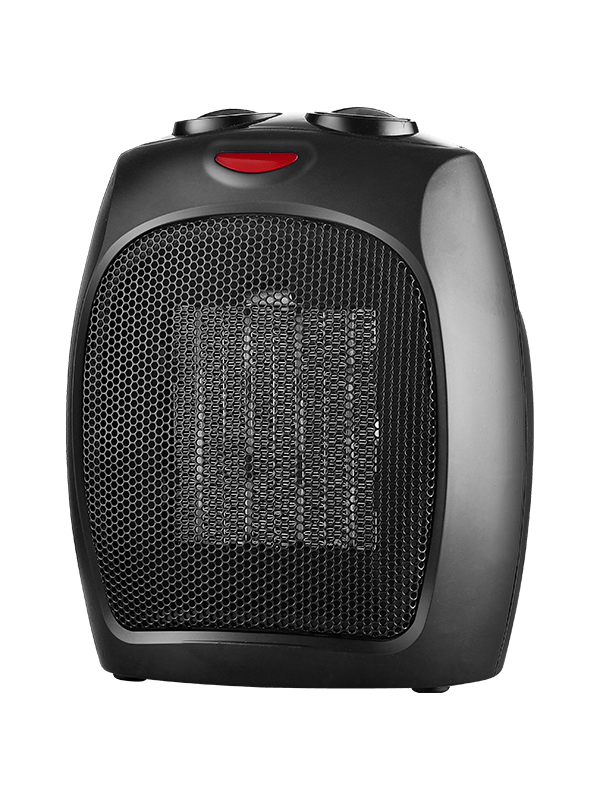
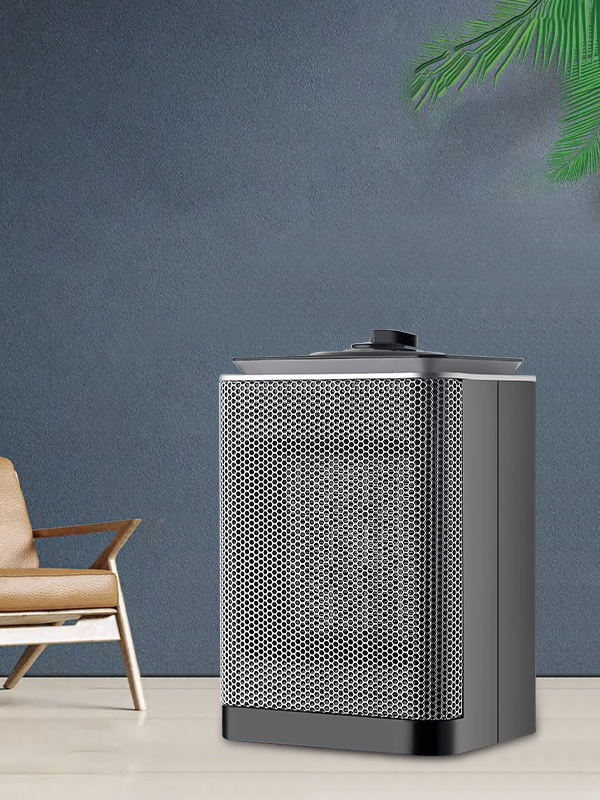 HPC-D1504YL Oscillating Portable PTC HeaterA portable 750W/1500W PTC heater with adjustable thermostat, oscillation, cool/warm modes, and tip-over and overheat protection for indoor use.View Product →
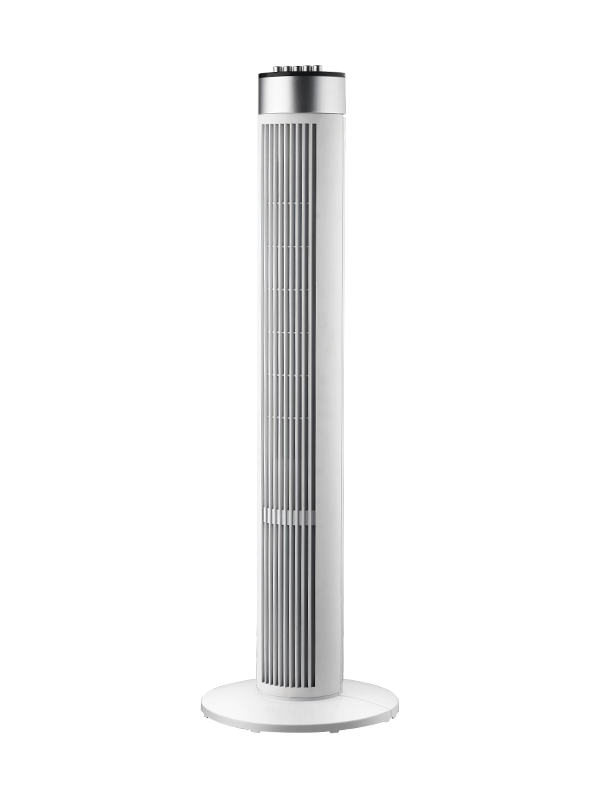
Oscillation is a small but genuinely useful addition for cost control: warm air distributed across a wider arc reaches the thermostat set point sooner, so the element spends more of each hour switched off. It is the same principle behind the wider airflow of a tower unit.
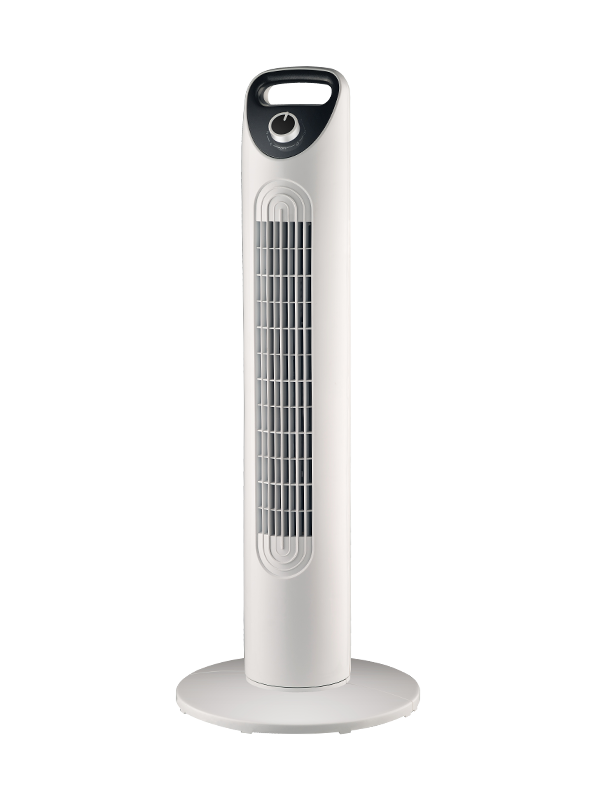
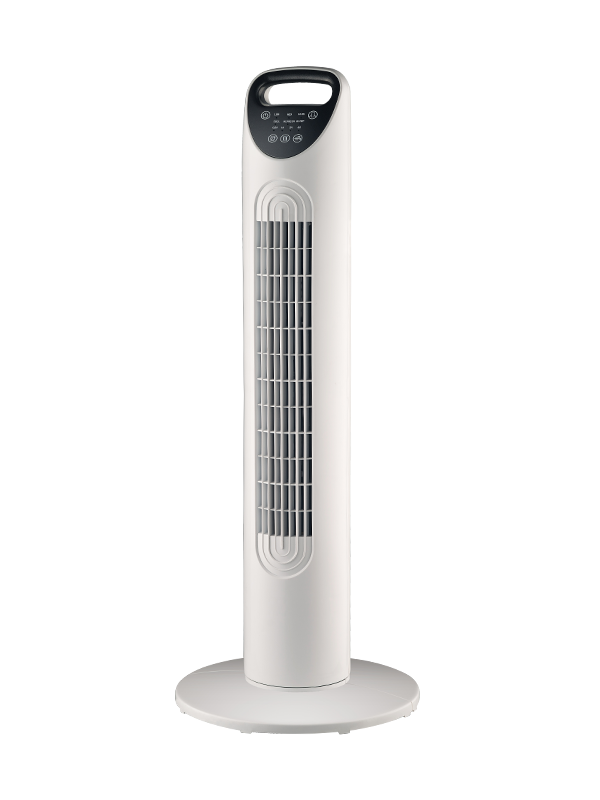
 TF806 PTC Freestanding Tower Fan HeaterA 31-inch tower heater/fan with three speeds, two-hour timer, automatic oscillation, carry handle, and detachable base for flexible room-to-room use.View Product →
For fixed installations, eco logic and window-opening detection matter more than raw wattage. A wall-mounted heater that automatically drops to a lower power band once the room is comfortable will usually use less over a winter than a cheaper model run manually at full output.
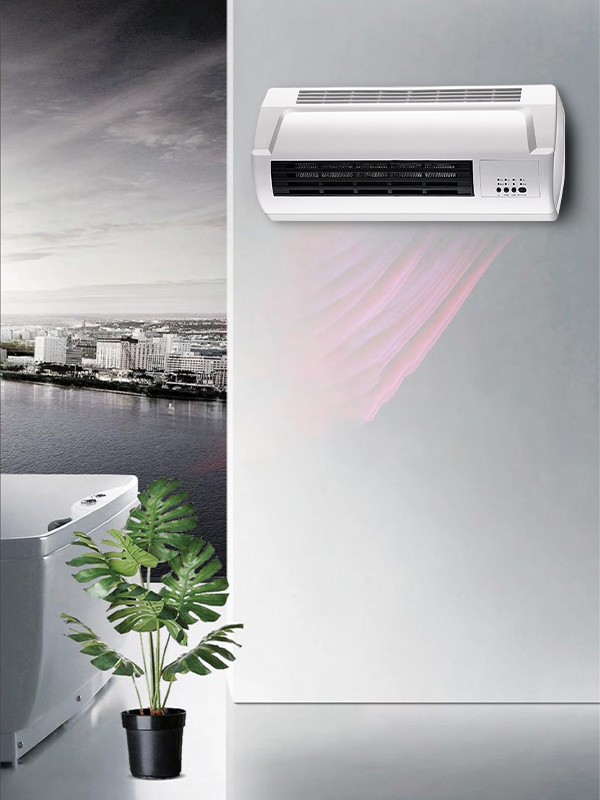 BPT-2000B Eco Smart Wall Heater SeriesA wall-mounted PTC heater series with 1000W/2000W settings; ERP version adds weekly timer, window detection, delayed on/off, and LED display.View Product →
If you are sourcing heaters for a retail programme or an OEM project, the practical target is a unit whose average draw, not its peak rating, matches the space it is sold for. You can read more about our manufacturing background and how we approach that balance.
Per hour, yes — typically a few cents. Per unit of warmth delivered, it is comparable to any other electric heater, because electric resistance heating is close to 100 percent efficient regardless of size.
Continuous full-output operation uses 7.2 kWh a day, which costs between roughly $0.72 and $2.52 depending on your tariff. With a thermostat holding a set temperature, actual use will normally be a fraction of that.
It can take the edge off a small, well-insulated bedroom, particularly overnight. It cannot raise a cold room by many degrees on its own, and forcing it to try simply means it never cycles off.
Only while it is drawing current. A correctly sized heater that reaches its set point and cycles will often cost less per season than an undersized one left running all evening.
The figure to remember is 0.3 kWh per hour at full power. Multiply that by your own tariff and you have an answer accurate to within a few cents, whatever currency you use. Then adjust it downwards for the time your thermostat spends with the element off — and choose the size of heater to match the space, because that single decision affects the running cost far more than the price on the box.
How Many Watts to Heat a Room? A Practical Guide by Room Size & Climate
2026-11-05how many watts to run a portable heater: Practical Applications, Selection, Performance
2026-11-12Your email address will not be published. Required fields are marked *
Copyright © Cixi BEILIGE Electric appliance Co.,Ltd. All Rights Reserved