 en
 English
 中文简体
 Español
 عربى
 русский

News
Home / News / Industry News / how many square feet will a 2000 watt heater: Practical Applications, Selection
We are a professional heater supplier.
Content
If you are sizing a heater for your home and wondering how many square feet a 2000 watt heater will heat, the answer is roughly 200 to 300 square feet under typical conditions. The exact figure depends on several variables: insulation quality, ceiling height, window area, and local climate. In this guide, we explain the standard sizing rules, the factors that move the numbers, and how to choose the right 2000 W heater for your space.
Heating professionals use a simple benchmark: a normally insulated room needs about 10 watts per square foot of floor space. Applying that rule to a 2000 watt heater gives you:
2000 watts ÷ 10 watts per square foot = 200 square feet
So in a standard room with 8-foot ceilings and moderate insulation, a 2000 watt heater will comfortably warm about 200 square feet.
Many manufacturers note that a 2000 W heater can cover 250 to 300 square feet in a well-sealed, energy-efficient space. In an older home with poor insulation and drafty windows, the same heater may struggle beyond 150 to 180 square feet.
The 10-watt guideline reflects typical residential heat loss. Heat escapes through walls, windows, ceilings, and floors, and the heater must replace it to hold a comfortable temperature. Ten watts per square foot works well for a moderately insulated room when the outdoor temperature is near freezing.
For rooms with unusual conditions, you can adjust the estimate. The table below shows approximate wattage requirements for different room sizes under three insulation scenarios.
| Room Size (sq ft) | Poor Insulation | Average Insulation | Well Insulated |
|---|---|---|---|
| 150 sq ft | 1,800-2,250 W | 1,500 W | 1,200 W |
| 200 sq ft | 2,400-3,000 W | 2,000 W | 1,600 W |
| 250 sq ft | 3,000-3,750 W | 2,500 W | 2,000 W |
| 300 sq ft | 3,600-4,500 W | 3,000 W | 2,400 W |
As the table shows, a 2000 watt heater matches a 200-square-foot room in average conditions and can handle a 250-square-foot space if the home is well insulated.
While the 10-watt rule gives a quick estimate, real rooms rarely match the average exactly. Here are the most important factors that affect coverage.
Homes built in the last two decades generally have better insulation, double-glazed windows, and tighter construction, so a 2000 watt heater may cover closer to 300 square feet. Older homes with single-pane windows or uninsulated walls need more wattage for the same floor area.
The 10-watt rule assumes an 8-foot ceiling. If your room has 10-foot or vaulted ceilings, the air volume is much larger. To adjust, use a per-cubic-foot guideline: roughly 1.25 watts per cubic foot for average insulation, 1 watt for well-insulated spaces, and 1.5-1.8 watts for poor insulation.
The 10-watt rule assumes outdoor temperatures near freezing. If winters in your region regularly fall well below that, increase the wattage by 20-30 percent. In milder climates, a 2000 watt heater can comfortably cover the upper end of its range.
Windows are the weak point in most room envelopes. Large single-pane windows can lose up to a quarter of the room's heat through the glass. Even double-glazed windows lose heat faster than insulated walls. Curtains, window film, and weather stripping are inexpensive fixes that extend the heater's effective coverage.
An open-plan space loses heat to adjacent rooms and hallways, so a 2000 watt heater will work harder to hold the temperature. Closing doors or using room dividers can make a meaningful difference.
To make the numbers more concrete, here is how a 2000 watt heater typically performs in common rooms.
| Room | Typical Size | 2000 W Heater Result |
|---|---|---|
| Bedroom | 120-180 sq ft | Heats easily, with capacity to spare |
| Home office | 150-200 sq ft | Heats well under normal insulation |
| Living room | 200-300 sq ft | Works in well-insulated rooms; may need a boost in older homes |
| Garage | 300-400 sq ft | Generally undersized; consider higher wattage or a second heater |
| Bathroom | 40-80 sq ft | More than enough; a 1000-1500 W model would also work |
A 2000 watt heater is a versatile choice for bedrooms, offices, and small-to-medium living spaces. For very large rooms or garages, you may need to run it alongside another heater or choose a higher-wattage unit.
Once you have confirmed that 2000 watts matches your space, the next step is selecting the heater type. Different styles distribute heat differently, with distinct strengths for each room.
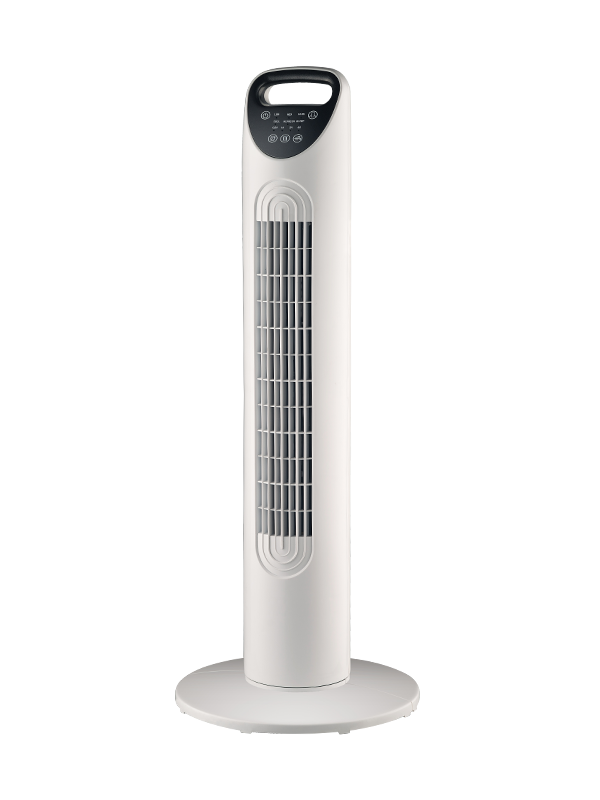
 HPC-F2409YL-1 Portable PTC Heater with Two Settings and OscillationThis slim vertical heater offers 1500W and 2400W options, a timer, remote control, and oscillating function—ideal if you want flexible, safe supplemental warmth for living spaces.View Product →
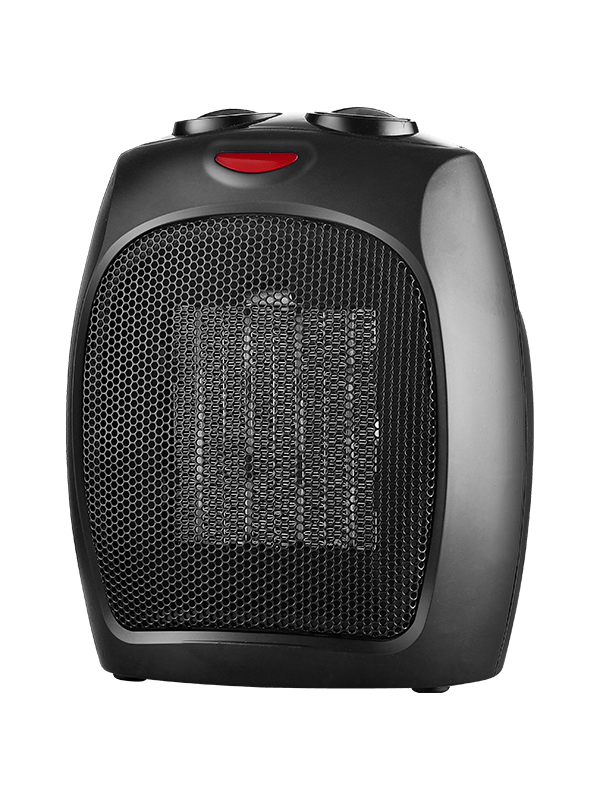
PTC ceramic heaters are one of the most popular choices for room heating because they combine fast warm-up with strong built-in safety. A ceramic element with a positive temperature coefficient naturally limits its own heat output, reducing the risk of overheating. Portable models are easy to move from bedroom to living room, giving you flexible coverage wherever you spend time.
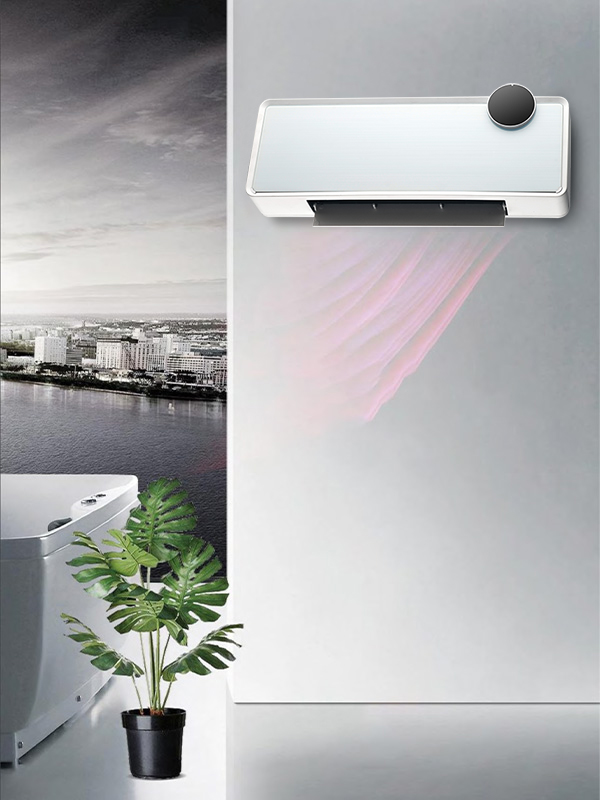 ZPT-2000B Wall-Mounted Fan Heater with PTC Element and IP22 RatingA smart space-saving option with 1000W/2000W settings, three seasonal modes, and overheating protection—perfect for keeping floors clear while heating bedrooms or offices.View Product →
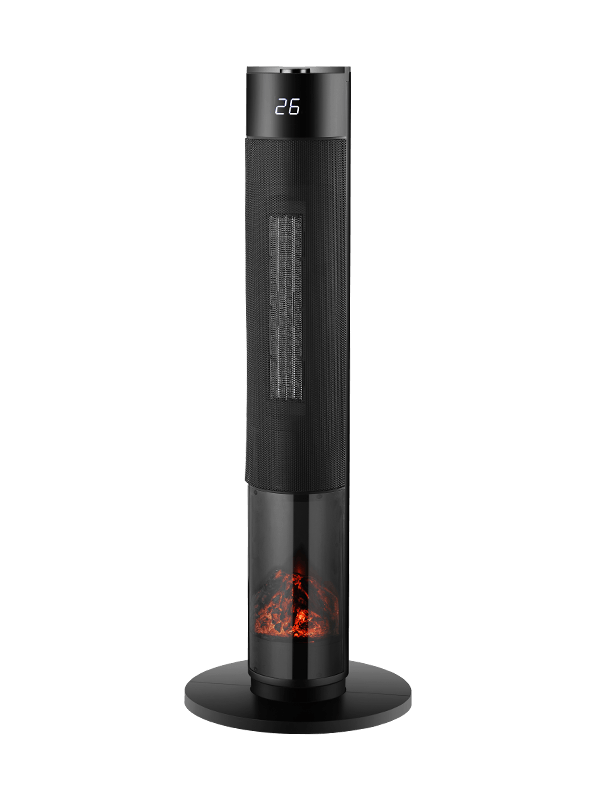
If floor space is limited, a wall-mounted heater is a smart solution. It fixes high on the wall, keeps floors clear, and directs warm air downward across the room. Many models include timers, thermostats, and remote controls, making them a practical fit for bedrooms, bathrooms, and home offices.
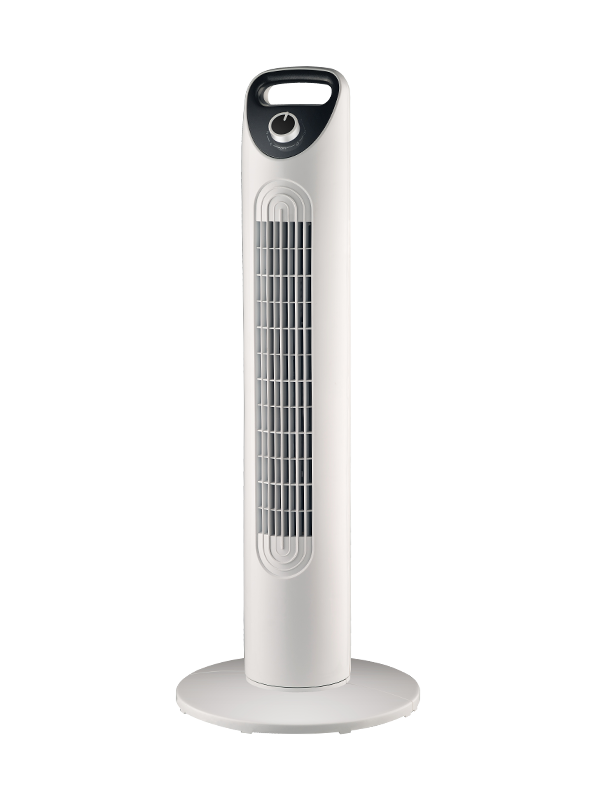
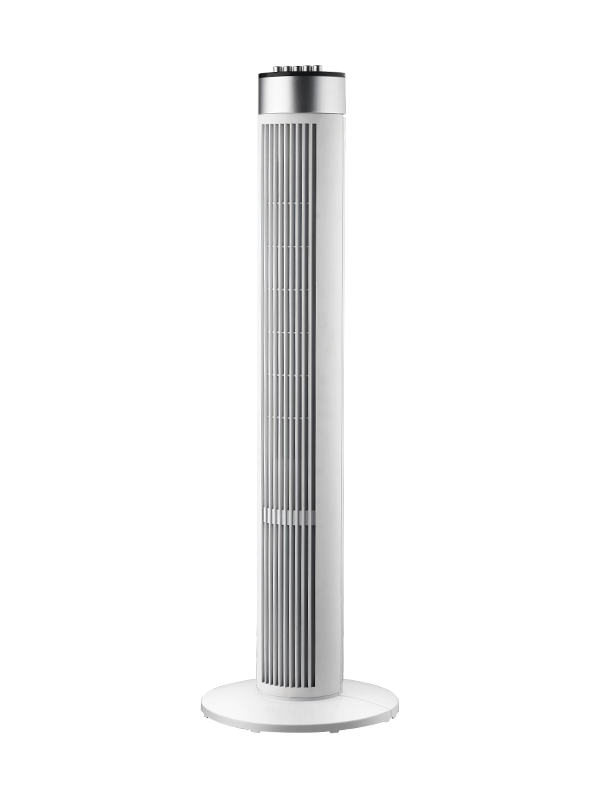
 TF806 Freestanding Tower Fan Heater with Oscillation and Carry HandleIts slim, oscillating design spreads warm air evenly in medium rooms, while three speeds, a 2-hour timer, and a carry handle deliver practical, year-round flexibility.View Product →
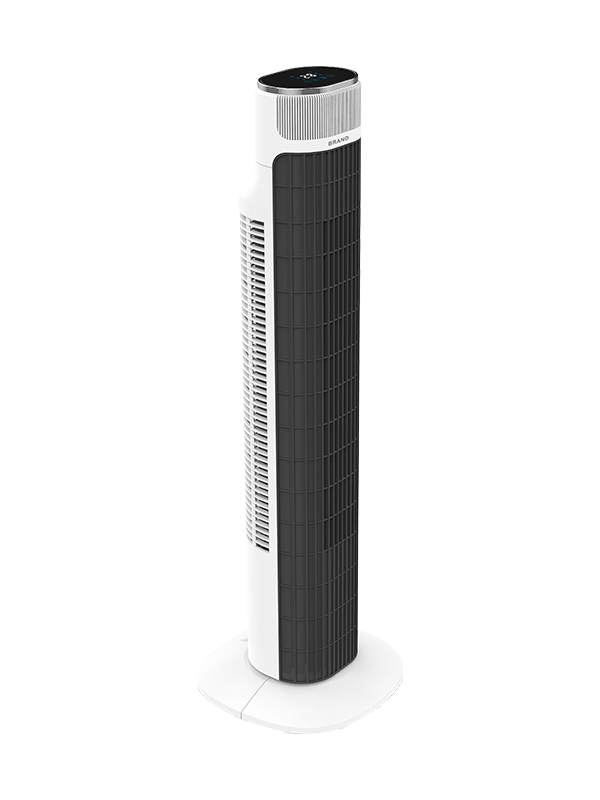
Tower heaters combine a slim footprint with fan-forced heating performance. They oscillate to spread warm air across a wide area, helping to even out temperatures in medium-sized rooms. Many tower models also work as cooling fans in summer, giving you year-round value from one appliance.
Whichever type you choose, a few habits can extend the effective coverage and keep running costs in check.
If you are curious about what a 2000 W heater costs to operate, our guide to electricity consumption of fan heaters walks through the calculations in detail.
There are situations where a single 2000 W heater cannot do the job. If the room exceeds 300 square feet, has vaulted ceilings, or sits in a severe cold climate, you will likely need a higher-wattage unit or two heaters at opposite ends of the room. A garage or workshop with poor insulation is another common case where 2000 watts barely takes the chill off.
A 2000 watt heater works best as a supplemental heat source for whole-home comfort. Using it to heat the room you are in, rather than the entire house, is one of the most energy-efficient ways to get through winter.
So, how many square feet will a 2000 watt heater heat? Expect about 200 square feet as a solid baseline, with up to 250-300 square feet in well-insulated spaces and as little as 150-180 square feet in drafty older rooms. By accounting for insulation, ceiling height, windows, and climate, you can fine-tune that estimate for your room.
As a manufacturer with over 30 years of experience in electric heating, we understand the practical side of room sizing better than most. When in doubt, measure your room, note the conditions we discussed, and choose a 2000 watt heater with an adjustable thermostat and multiple heat settings so you stay flexible as the season changes.
How Many Square Feet Can a Space Heater Heat? A Practical Sizing Guide
2026-10-29How Many Watts to Heat a Room? A Practical Guide by Room Size & Climate
2026-11-05Your email address will not be published. Required fields are marked *
Copyright © Cixi BEILIGE Electric appliance Co.,Ltd. All Rights Reserved