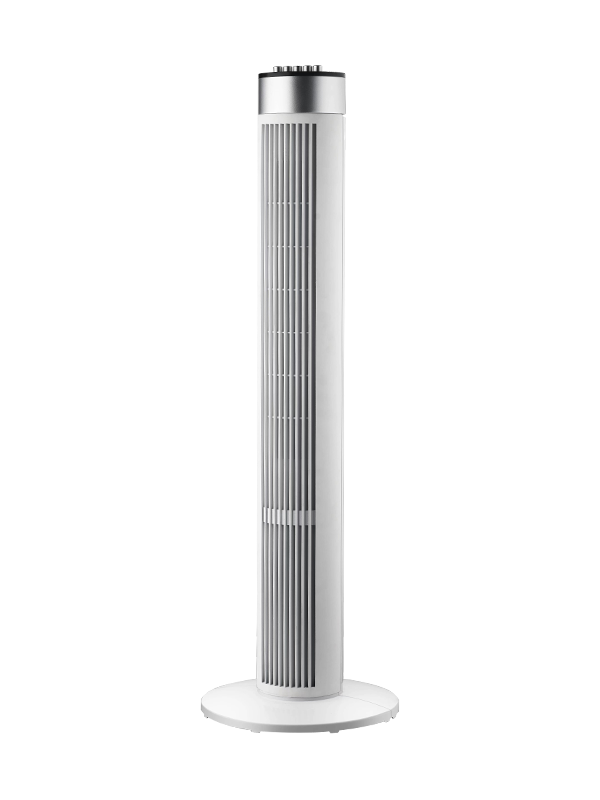
A ceramic constant temperature heater is one of the safest and most energy-efficient heating solutions available today. Unlike conventional resistance heaters that continue drawing power regardless of ambient conditions, ceramic constant temperature heaters use PTC (Positive Temperature Coefficient) ceramic elements that automatically regulate heat output — delivering a stable target temperature without overheating, without a thermostat, and without external control circuits. This self-regulating behavior makes them the preferred choice for applications ranging from household space heating to industrial process temperature control.
What Is a Ceramic Constant Temperature Heater?
A ceramic constant temperature heater is a heating device built around a PTC (Positive Temperature Coefficient) ceramic semiconductor element — most commonly barium titanate (BaTiO₃) doped with rare earth elements. The defining characteristic of this ceramic material is its resistance behavior: as the element heats up, its electrical resistance increases sharply at a specific Curie temperature, automatically reducing current flow and stabilizing heat output.
This is fundamentally different from a conventional nichrome wire heater, which maintains constant resistance and therefore constant power draw regardless of temperature. A PTC ceramic element is, in effect, its own thermal control system.
Key structural components of a typical ceramic constant temperature heater include:
PTC ceramic heating element: The core component responsible for self-regulating heat generation
Aluminum heat sink or fins: Distribute heat efficiently from the ceramic core to the surrounding air or surface
Electrodes and contact plates: Deliver electrical current evenly across the ceramic surface
Housing and insulation: Typically flame-retardant plastic or metal casing rated for safe operation
How the PTC Self-Regulation Mechanism Works
The physics behind constant temperature regulation in PTC ceramic heaters is elegant and reliable. Here is the step-by-step process:
When power is first applied, the ceramic element has low electrical resistance and draws high current, generating heat rapidly.
As the element temperature rises toward its Curie point — typically between 60°C and 260°C depending on the formulation — its resistance increases exponentially.
Higher resistance means lower current draw, which reduces heat generation.
The element reaches a self-stabilized equilibrium temperature at which heat generated equals heat dissipated — with no external control required.
If ambient temperature drops (e.g., a cold draft enters the room), the element cools slightly, resistance decreases, current increases, and heat output rises automatically to compensate.
This self-regulating loop happens continuously and instantaneously, maintaining a temperature stability within ±5°C of the target in well-designed units — without any electronic thermostat, sensor, or microcontroller.
Ceramic Constant Temperature Heater vs. Other Heating Technologies
To understand the practical advantages, it helps to compare ceramic constant temperature heaters directly against the most common alternatives:
Comparison of ceramic PTC heaters against conventional heating technologies across key performance criteria
Feature
Ceramic PTC Heater
Nichrome Wire Heater
Infrared Heater
Oil-Filled Radiator
Temperature Self-Regulation
Yes (inherent)
No (requires thermostat)
No
Partial (slow response)
Fire / Overheating Risk
Very Low
Moderate–High
Moderate
Low
Warm-Up Speed
Fast (seconds)
Fast
Instant
Slow (15–30 min)
Energy Efficiency
High
Low–Moderate
High (targeted)
Moderate–High
Surface Temperature
Moderate (safe to touch)
Very High
Very High
Warm
Lifespan
Very Long (no burnout)
Moderate
Moderate
Long
The most significant advantage is that a PTC ceramic element cannot overheat itself. As temperature rises, its own physics prevent runaway heating — an inherent safety feature that no external thermostat can fully replicate.
Key Performance Specifications Explained
When evaluating ceramic constant temperature heaters, several technical specifications determine real-world performance:
Curie Temperature (Target Temperature)
This is the stabilization temperature built into the ceramic element during manufacturing. Common Curie points for consumer and industrial heaters range from 60°C to 260°C. A heater intended for room warming may use a 60–80°C Curie point element, while industrial pipe freeze protection may use 120–150°C elements.
Rated Power (Wattage)
PTC heaters are rated at their maximum (cold-start) power draw. A 500W ceramic heater may operate at only 150–250W in steady state once it reaches equilibrium — delivering the same comfort while consuming significantly less electricity than its rated wattage suggests. This is why energy bills are often lower than expected with PTC-based heaters.
Heating Element Surface Area
Larger element surface area means more efficient heat transfer to the aluminum fins and the surrounding air. High-quality heaters use multiple PTC wafers or honeycomb PTC structures to maximize surface area within a compact footprint.
Voltage Range
PTC elements are inherently voltage-sensitive. Most household units are designed for 110V–240V AC, while low-voltage PTC heaters (5V–24V DC) are widely used in automotive, medical, and portable device applications. Always verify voltage compatibility before purchase.
Primary Applications of Ceramic Constant Temperature Heaters
The self-regulating, safe, and compact nature of PTC ceramic heaters makes them suitable across a remarkably wide range of applications:
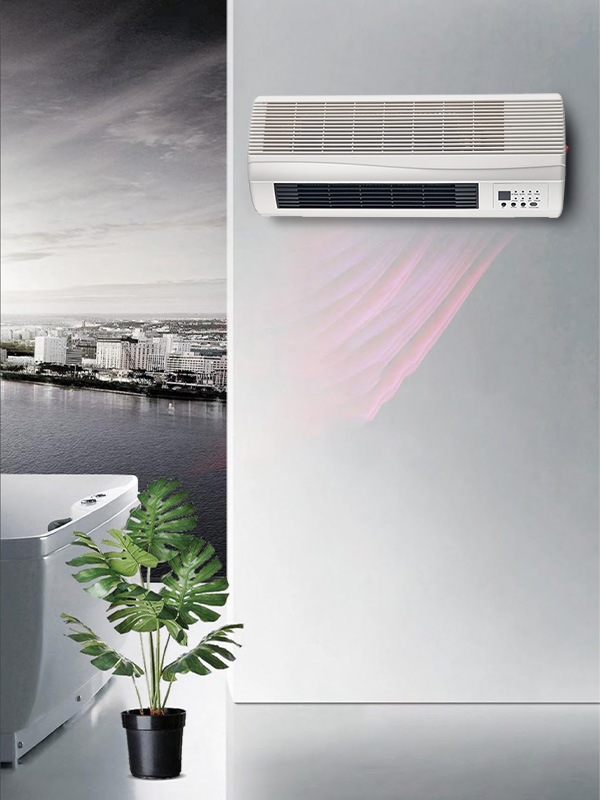
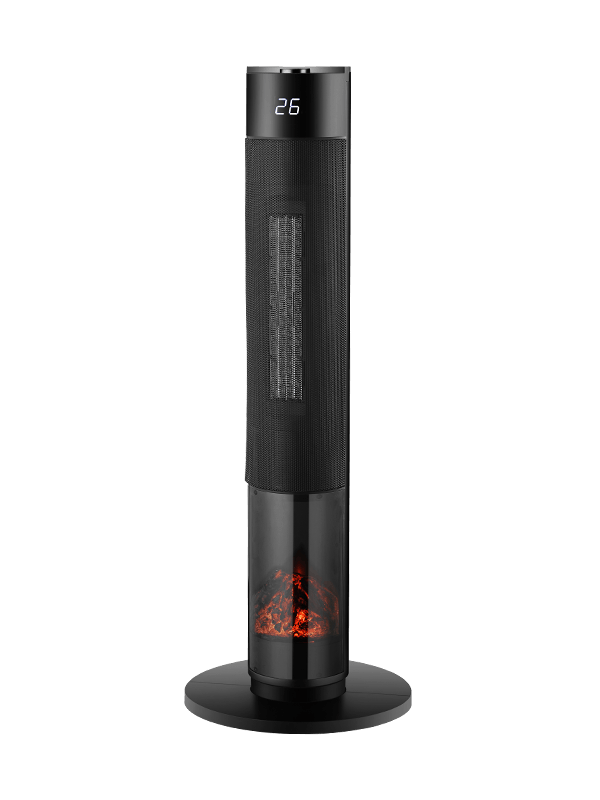
Household Space Heaters
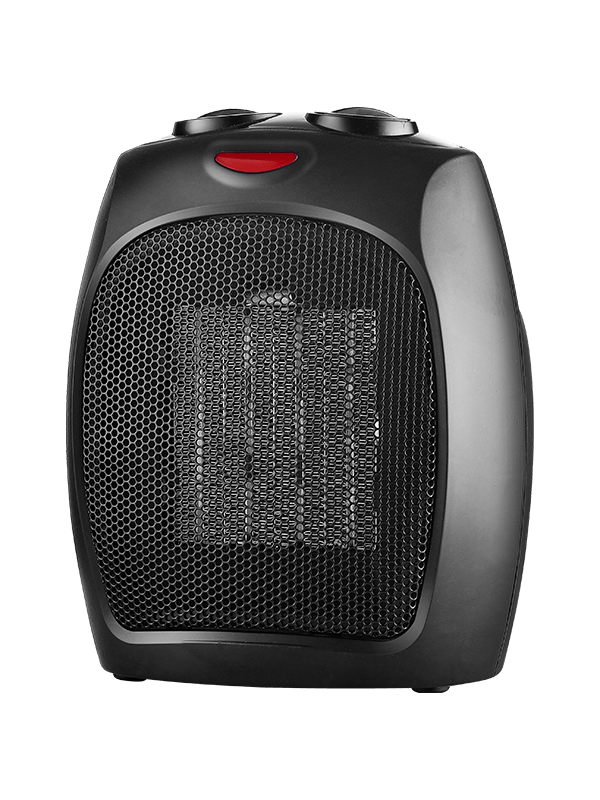
PTC-based fan heaters are among the most popular personal space heaters on the market. Units rated at 750W–2000W can warm a 10–20 m² room effectively. Because the element surface never exceeds its Curie temperature, they are safe to operate in bedrooms, nurseries, and bathrooms (in IP-rated enclosures).
Automotive Cabin and Seat Heating
PTC elements are used in auxiliary cabin heaters and heated seat modules in vehicles. Their self-limiting temperature prevents seat surface temperatures from exceeding safe limits, eliminating burn risks even during extended use. Many electric vehicles use PTC ceramic heaters as primary cabin heating systems because of their fast response and efficiency at low temperatures.
Industrial and Commercial Heating
Industrial PTC heaters are used for pipe freeze protection, enclosure heating in electrical cabinets, battery warming systems, and process temperature maintenance. Their ability to maintain a precise temperature setpoint without complex control systems reduces installation cost and maintenance overhead significantly.
Personal Care and Medical Devices
Hair dryers, straighteners, electric blankets, heating pads, and certain incubator applications all leverage PTC ceramics for consistent, safe temperature delivery. In medical-grade heating pads, PTC elements maintain therapeutic temperatures of 40–45°C without risk of escalation — a critical safety requirement for extended skin contact.
Reptile and Terrarium Heating
Ceramic constant temperature heaters have become standard in reptile keeping because they allow precise basking spot temperatures without hotspots or burnout risk. A 60W PTC ceramic terrarium heater can maintain a stable 28–32°C basking surface indefinitely without requiring a separate thermostat.
Safety Advantages That Set Ceramic PTC Heaters Apart
Safety is the most frequently cited reason consumers and engineers choose ceramic constant temperature heaters over alternatives. The advantages are both inherent and design-level:
No runaway overheating: The PTC mechanism physically limits temperature — if airflow is blocked, the element simply draws less power rather than building dangerous heat, unlike nichrome elements which will glow red and potentially ignite nearby materials.
Lower surface temperatures: Most PTC space heaters maintain an outer surface below 60–80°C, low enough to prevent ignition of common household materials (paper ignites at ~230°C, cotton at ~255°C).
No element burnout: Because the PTC element reduces current at high temperatures, it is never driven to destructive thermal stress. Many PTC ceramic elements last over 10,000 operating hours without degradation.
Reduced fire risk: Insurance data and fire safety organizations consistently identify electric resistance heaters as a leading cause of home fires. PTC ceramic heaters carry significantly lower inherent fire risk due to self-limiting behavior.
No combustion, no CO risk: As an electric heating technology, PTC heaters produce zero combustion byproducts — safe for enclosed spaces where gas or kerosene heaters would require ventilation.
How to Choose the Right Ceramic Constant Temperature Heater
Selecting the right unit requires matching the heater's specifications to your specific application. Consider the following criteria:
Target Temperature Range
Identify the temperature you need to maintain. Room heating applications require low Curie point elements (60–80°C surface), while industrial or process applications may need 150–260°C. The heater's working temperature is fixed at manufacture — it cannot be adjusted after purchase in most designs.
Power Rating vs. Space Size
A general rule of thumb for space heating is 10W per square foot (approximately 100W per square meter) in a well-insulated space. For poorly insulated rooms or colder climates, increase this by 20–30%. Remember that PTC heaters draw less than their rated wattage at steady state, so err toward the higher end of the power range.
Fan-Assisted vs. Convection-Only
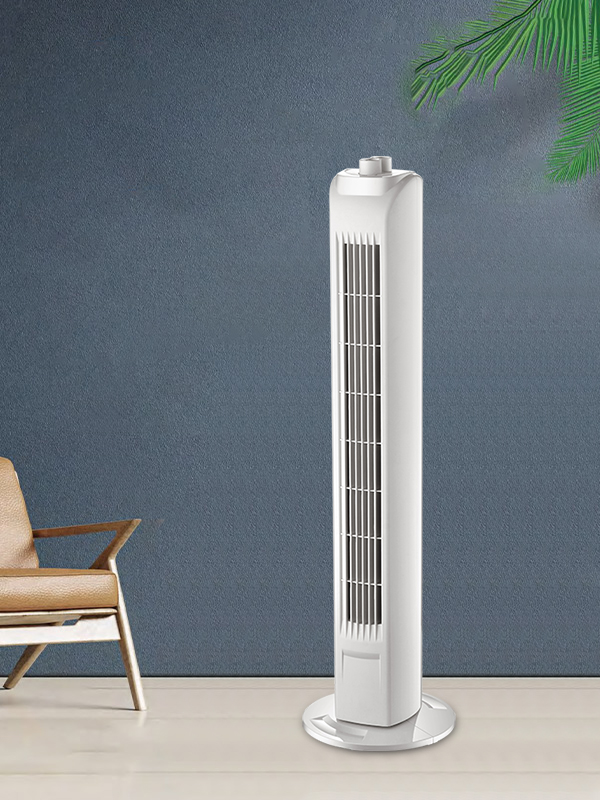
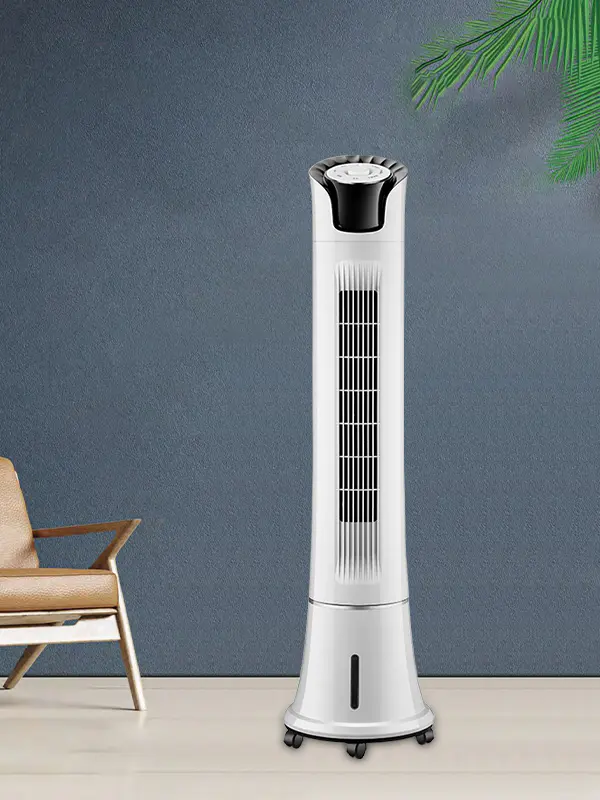
Fan-assisted ceramic heaters distribute heat faster and more evenly across a room. Convection-only (fanless) PTC heaters are silent, require no moving parts, and are ideal for applications where noise is unacceptable (bedrooms, offices, medical settings) but heat distribution is slower.
IP Rating for Wet or Dusty Environments
For bathroom, greenhouse, or industrial enclosure use, ensure the heater carries an appropriate IP (Ingress Protection) rating. IP44 or higher is recommended for splash-prone environments; IP65 for dusty industrial conditions.
Certifications and Standards Compliance
Look for compliance with relevant safety standards: UL 1278 or UL 1042 (North America), CE and EN 60335 (Europe), or GB 4706 (China). These certifications confirm independent testing for electrical safety, thermal cutoff performance, and fire resistance.
Energy Efficiency: Real-World Power Consumption Data
One of the most misunderstood aspects of ceramic constant temperature heaters is their actual power consumption. Because PTC elements draw less power once thermally stabilized, real-world consumption is consistently below the nameplate wattage:
Typical rated vs. steady-state power consumption for common ceramic PTC heater categories
Heater Type
Rated Power
Typical Steady-State Power
Estimated Saving vs. Rated
Personal desk heater
400W
150–220W
40–60%
Room fan heater
1500W
700–1000W
33–53%
Automotive cabin heater
300W
80–150W
50–70%
Industrial enclosure heater
100W
20–50W
50–80%
These figures illustrate why PTC ceramic heaters are considered among the most energy-efficient electric heating options. In mild ambient conditions, a 1500W-rated ceramic heater may consume only 700–900W continuously — comparable to an oil-filled radiator but with faster warm-up and no liquid-related risks.
Maintenance and Longevity Tips
Ceramic constant temperature heaters require minimal maintenance, but a few practices significantly extend service life and maintain performance:
Keep air vents clear: Dust accumulation on the aluminum fins or fan blades insulates the element, forcing it to draw higher current. Clean vents every 1–3 months with compressed air or a soft brush.
Avoid covering the unit: Even though PTC elements are self-limiting, covering a heater with fabric reduces heat dissipation and degrades the housing material over time.
Use on flat, stable surfaces: Fan heaters should be placed on firm, level surfaces to prevent tip-over. Most quality units include tip-over auto-shutoff as a secondary safety measure.
Check power cord condition annually: The PTC element itself is extremely durable, but power cord insulation can degrade near the strain relief point. Inspect for cracking or discoloration near the plug and cord entry point.
Store properly when not in use: If storing for extended periods, keep the heater in a dry environment. Moisture ingress into fan motor bearings is the most common cause of fan-assisted ceramic heater failure.
With basic care, a quality ceramic constant temperature heater can deliver 10,000–30,000 hours of reliable service — far exceeding the lifespan of conventional resistance heaters and making it one of the best long-term heating investments available.

 en
en  English
 中文简体
中文简体 Español
 عربى
عربى русский