 en
en  English
 中文简体
中文简体 Español
 عربى
عربى русский
News
Home / News / Industry News / how can i keep my house warm in winter: Practical Applications, Selection, Performance
We are a professional heater supplier.
Content
Imagine walking into a room on a January morning and feeling a sharp draft hit your ankles, while the thermostat reads a perfectly reasonable 20°C. The problem isn't your heating system—it is where the heat is going. To keep your house warm in winter, you need a layered approach that stops heat loss first, then heats the space efficiently. This article outlines the direct actions that deliver measurable results, from low-cost fixes to selecting the right supplemental heating equipment.
The most effective way to keep a house warm is to prevent warm air from escaping. No heater, no matter how powerful, can outrun a poorly sealed building envelope. Focusing on the three main leakage points—windows, doors, and floors—provides the highest return on effort.
Gaps around window frames and under doors are responsible for a significant portion of heat loss in most homes. Testing your own home is simple: on a windy day, hold a lit incense stick near the edges of a closed window. If the smoke wavers horizontally, you have a draft. Weatherstripping tape for movable parts and caulk for fixed joints cost very little and can be installed in about an hour per window. For the bottom of exterior doors, a door sweep or a fabric draft stopper reduces cold air infiltration instantly.
Attics and uninsulated walls are massive heat sinks. While insulating a whole house is a larger project, even adding a layer of insulation in the attic loft—where warm air naturally rises and escapes—can reduce heating demand by 15% to 20% in many houses. For floors, thick area rugs placed over hardwood or tile act as a thermal buffer. A rug with a dense pile rated for insulation can make a cold floor feel several degrees warmer underfoot, which directly affects perceived room temperature.
Your furnace, boiler, or central heating system likely operates at a set schedule that may not match your actual occupancy. Adjusting its control logic is free and immediately effective.
Programmable or smart thermostats allow you to set lower temperatures when you are asleep or away—typically 15°C to 16°C—and schedule the system to reheat the house about 30 minutes before you wake up or return home. This reduces the total energy used by the system without sacrificing comfort. The general rule is that lowering your thermostat by just 1°C can cut your heating bill by roughly 5% to 10% depending on your home's insulation levels.
Warm air naturally collects near the ceiling. Ceiling fans have a switch to reverse their blade direction. In winter, set the fan to run clockwise at a low speed. This pushes warm air trapped at the ceiling outward and down the walls, gently mixing the room air without creating a noticeable draft. The effect is a more even temperature from floor to ceiling, often allowing you to set the thermostat one degree lower while maintaining the same comfort level.
Heating your entire house when you spend most of your time in the living room and one bedroom wastes energy. Close the doors to unused rooms and lower or close the vents in those areas. The central system then sends more warm air to the occupied zones. For spaces that still feel cold, a targeted supplemental heater can provide extra warmth exactly where you need it without raising the thermostat for the whole house.
Free heat from the sun costs nothing and works alongside your mechanical systems. The key is capturing it during the day and trapping it at night.
During daylight hours, open all curtains and blinds on windows that face the sun. Direct sunlight entering through glass raises the surface temperature of floors and walls, which then radiate that heat back into the room. On a clear winter day, this can add the equivalent of several hundred watts of heat to a room depending on window size and orientation. As soon as the sun goes down, close the curtains to add an extra layer of insulation against the cold glass.
Standard curtains provide minimal insulation. Heavy curtains made of velvet, suede, or lined with a thermal backing create a dead air space between the fabric and the window. This reduces heat loss through the glass by up to 25% in some cases. Ensure the curtains extend below the windowsill and touch the floor to prevent warm air from flowing behind the fabric and cooling against the glass.
Not every space benefits from the same type of heater. The best electric heater for a small, enclosed bathroom is not the same as the best choice for an open-plan living room or a drafty home office. Understanding the differences in heat distribution, form factor, and safety features helps you match the device to the space.
| Heater Type | Best Room | Heat Distribution | Key Safety Feature |
|---|---|---|---|
| Portable PTC Heater | Bedroom, Office | Forced air, oscillates | Overheat & tip-over shutoff |
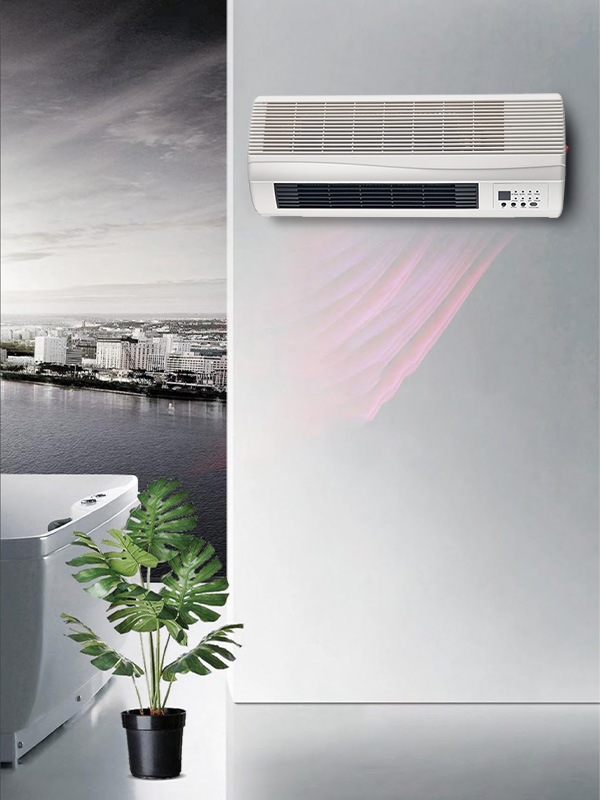
| Wall-mounted Heater | Living Room, Hallway | Convection, even heat | Overheat protection, remote control |
| Bathroom Wall Heater | Bathroom | Forced air, downward flow | Waterproof (IP24+), towel rack models |
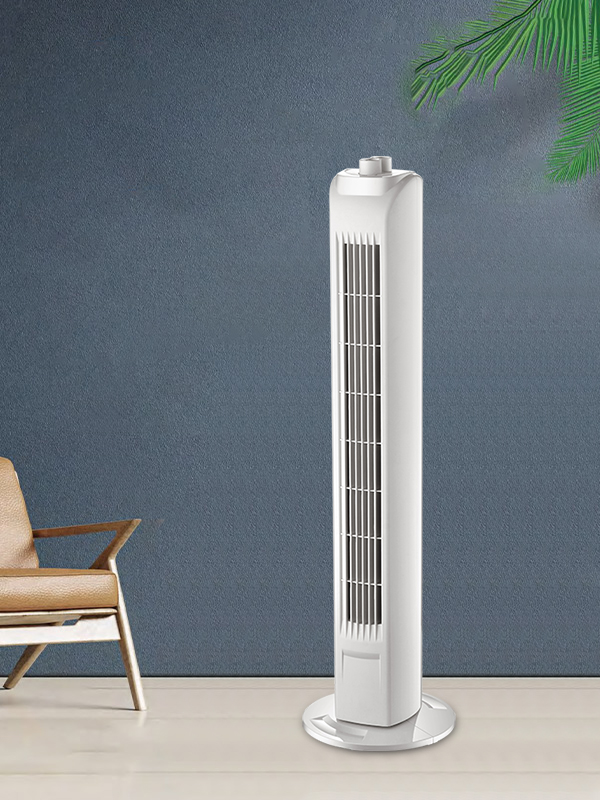
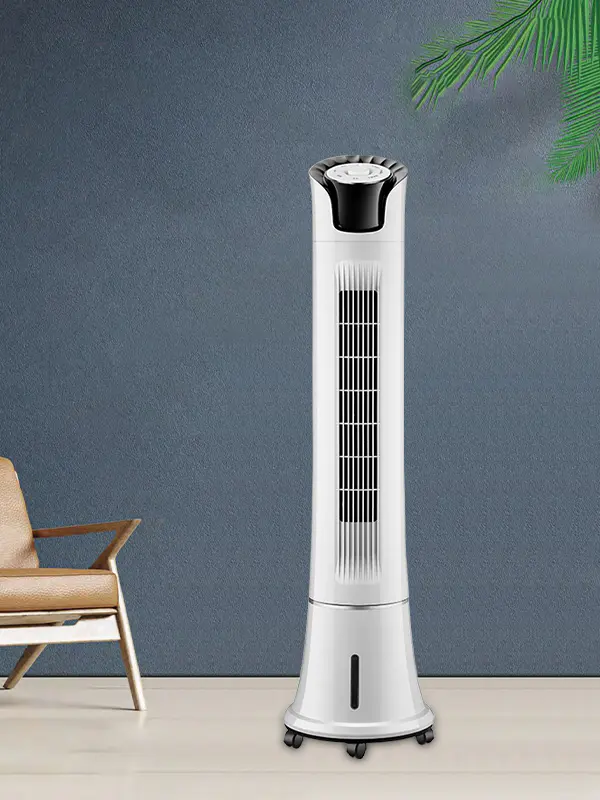
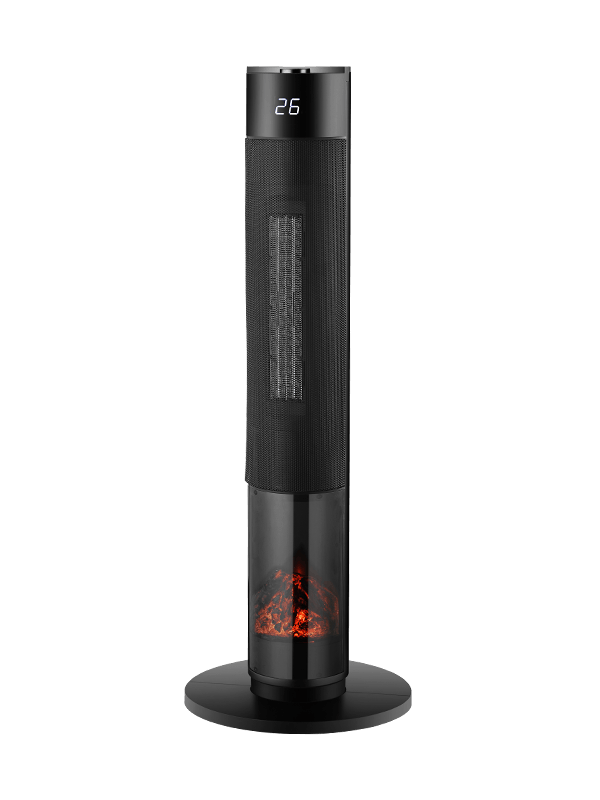
| Tower Fan Heater | Living Room, Bedroom | Oscillating, low noise | Cool-touch housing, tip-over shutoff |
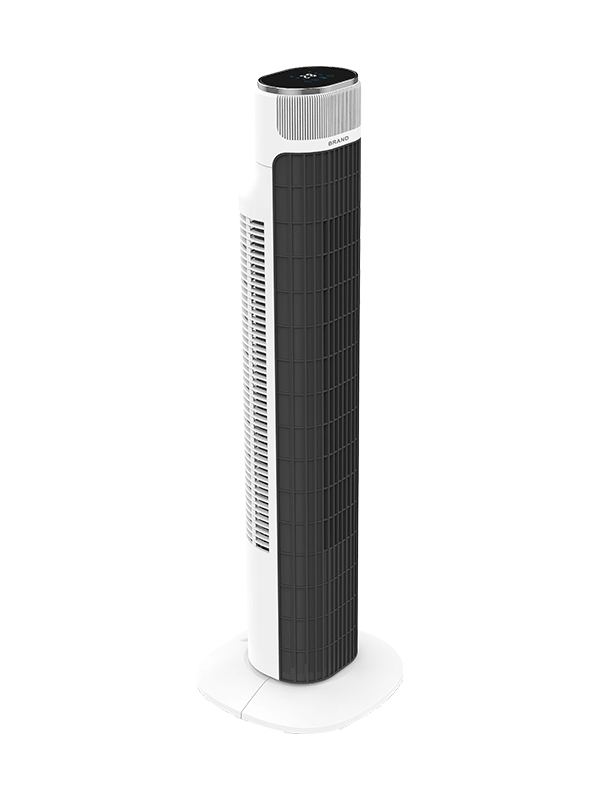
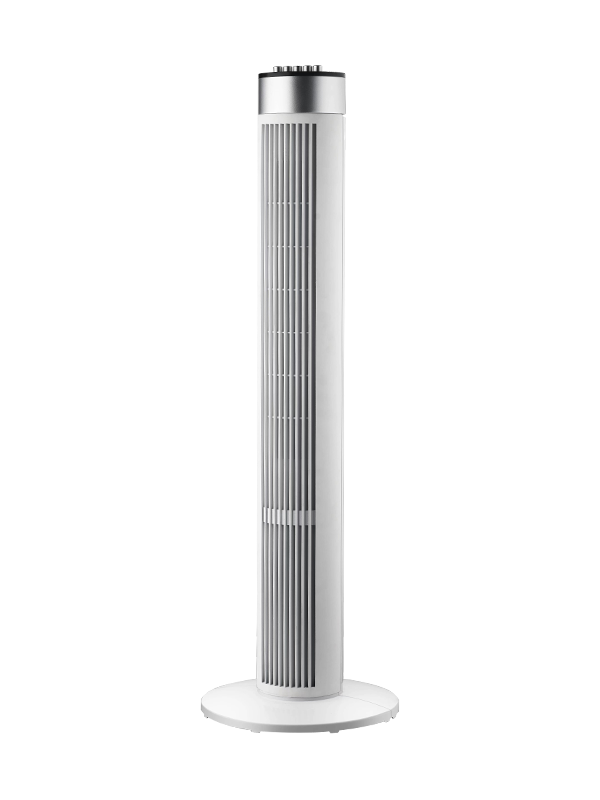
For bathrooms, models like the 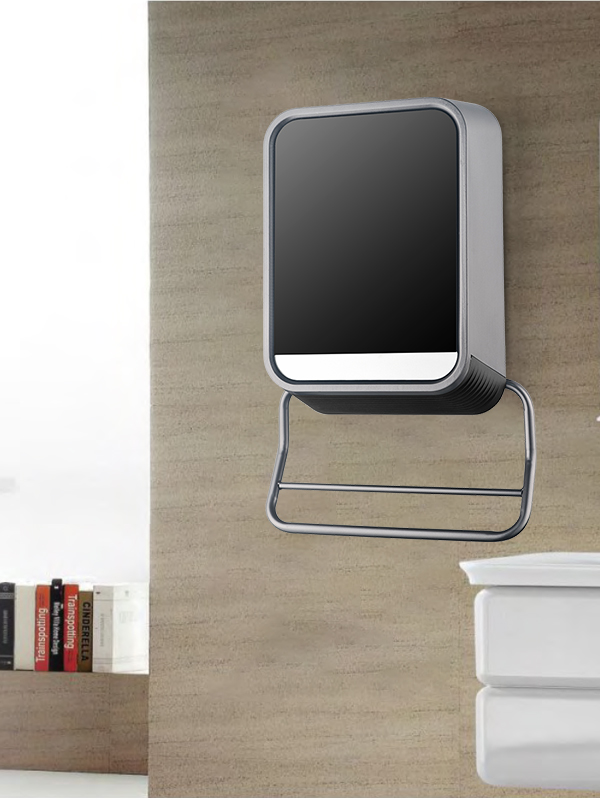 Glass Panel Waterproof Bathroom Heater with Towel RackIdeal for bathrooms, this wall-mounted heater offers IP23 waterproof protection and a built-in towel rack for drying towels. With 1000W/2000W power and ECO design, it heats efficiently while saving space.View Product → combine waterproof construction with a built-in towel rack, serving dual purpose as a heater and a towel drier. In living areas where noise is a concern, tower fan heaters such as the TF804B offer quiet oscillation and a narrow footprint that fits into corners without taking up floor space.
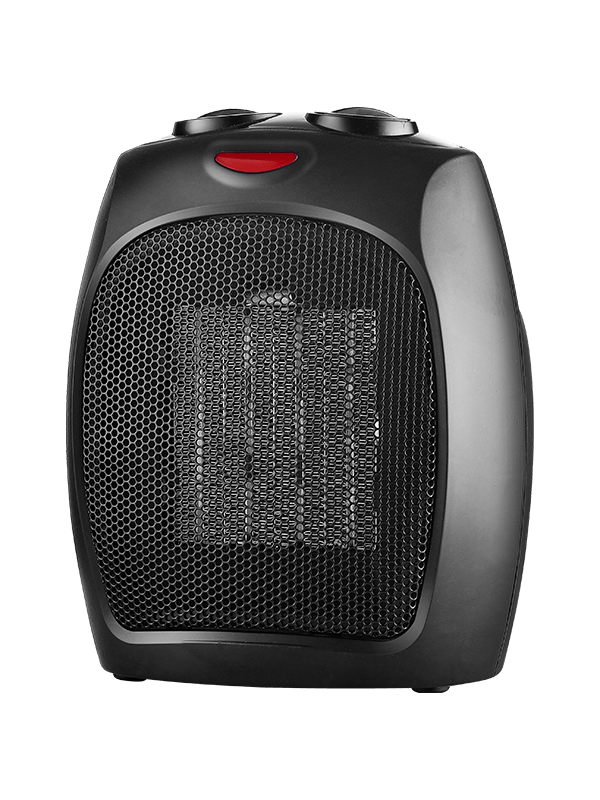
A portable PTC heater, like the 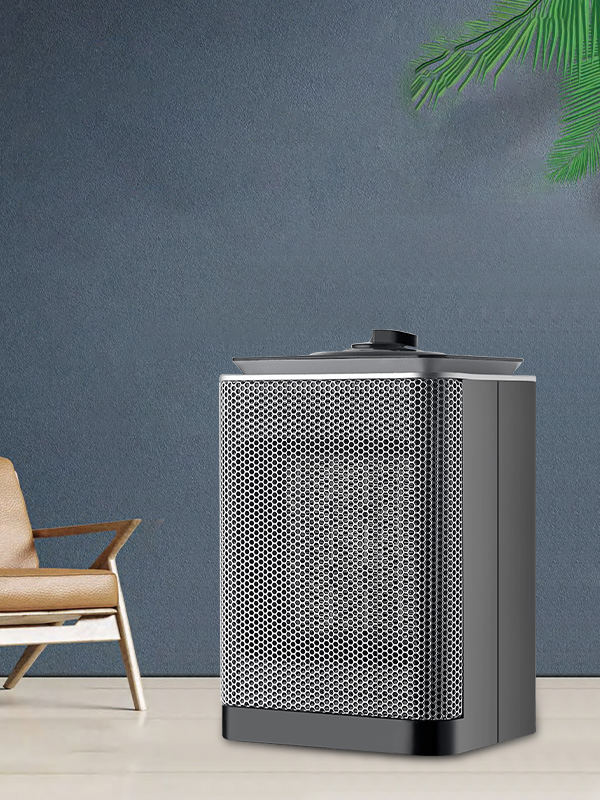 Portable PTC Heater with Air Oscillation and Adjustable ThermostatPerfect for moving between desk and bedside, this heater features cool/warm air options, quiet DC motor, and automatic oscillation for even heat. Safety tip-over switch and overheat protection ensure safe use.View Product →, is best suited for rooms where you move the heater between a desk during the day and beside the bed at night. Its adjustable thermostat and automatic swing function distribute warm air evenly, preventing hot spots and cold corners. For a permanent, unobtrusive solution, a wall-mounted model such as the
 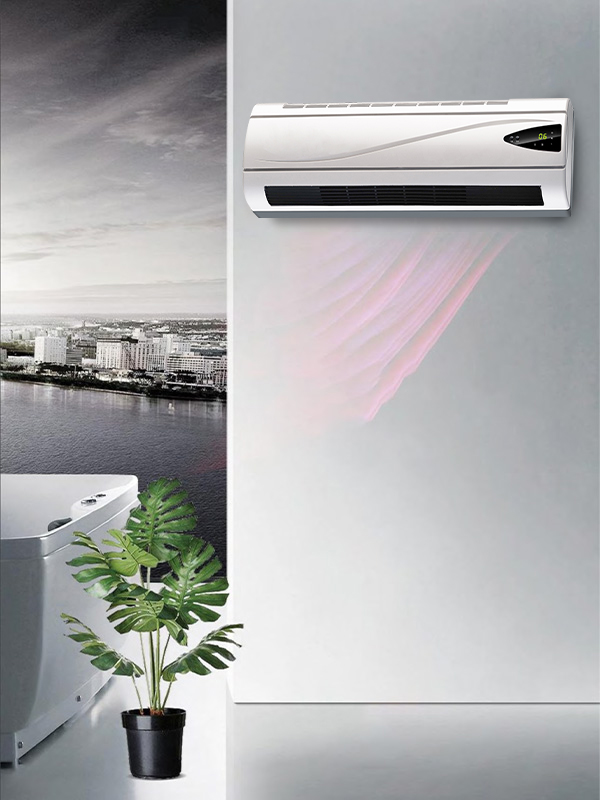 Smart Wall Mounted Embedded Home Heater with PTC TechnologyThis permanent, floor-space-saving heater offers 1000W-2000W power via PTC elements. Remote control, 24-hour timer, and LED display provide smart operation, while wall-mounted design integrates seamlessly into any room.View Product → offers 1000W to 2000W of power and integrates directly into the room's architecture, freeing floor space entirely.
Electric heaters are much safer than combustion-based alternatives, but they still require basic precautions. Always place portable heaters on a flat, stable surface away from curtains, bedding, and furniture. Never use an extension cord with a high-wattage heater—plug it directly into a wall outlet. Most modern heaters include a tip-over switch that cuts power if the unit is knocked over, and overheat protection that turns the device off if internal temperatures exceed safe limits. These features are not optional; they are essential for safe operation in any household.
Finally, do not rely solely on portable heaters to heat an entire house overnight. Use them for targeted, zonal warmth while your central system maintains a safe base temperature. This approach balances energy cost, comfort, and safety.
Keeping your house warm in winter is not about one single upgrade or gadget. It is a system of overlapping tactics. Seal the drafts and add insulation to stop heat from leaving. Adjust your thermostat schedule to match your daily routine. Let sunlight in during the day and trap it behind curtains at night. Then, supplement the central system with a properly chosen electric heater for the rooms that need it most. By combining these steps, you can maintain a comfortable temperature without running up excessive energy bills, and your home will feel warm from floor to ceiling all season long.
How to Heat a House Cheaply: Proven Strategies to Cut Winter Energy Bills
2026-09-16How Did People Survive Without AC? Cooling Wisdom Before Air Conditioning
2026-09-23Your email address will not be published. Required fields are marked *
Copyright © Cixi BEILIGE Electric appliance Co.,Ltd. All Rights Reserved