 en
en  English
 中文简体
中文简体 Español
 عربى
عربى русский
News
Home / News / Industry News / How to Heat a House Cheaply: Proven Strategies to Cut Winter Energy Bills
We are a professional heater supplier.
Content
Last January, a customer in the UK sent us a photo of their electricity bill: £312 for a month of heating a three-bedroom house with a 2 kW fan heater left running for six hours each evening. Most of that heat went into the ceiling, then out through the roof. The living room barely stayed at 18°C while two empty bedrooms upstairs stayed toasty.
Here is the conclusion up front: the cheapest way to heat a house is not to buy a cheaper heater. It is to stop wasting the heat you already pay for, then match a compact, controllable heater to the room you actually use. In this guide, we explain the sequence that we recommend to our own wholesale and OEM clients—because the same principles that keep their overseas customers' energy costs down also apply directly to households.
Before you spend a single pound on a new heater, look for places where warm air is escaping. Sealing gaps around windows, doors, floorboards, and loft hatches is the highest-return energy upgrade available to most homes. A tube of silicone sealant, a few self-adhesive window strips, and a simple door draught excluder cost far less than any heater and typically pay for themselves in one heating season.
Do not forget the less obvious leaks. Chimney flues, pipe penetrations, and recessed ceiling lights all pull warm air out. If you have a cold attic, adding even 200 mm of loft insulation does more for your heating bill than upgrading any appliance. Thick curtains with a pelmet stop downward draughts, and a simple foam strip behind switch plates cuts airflow that you would never otherwise notice.
The order of operations matters. Do the fabric work first, then measure how long a room holds its heat. You will often find that a 1.5 kW heater equipped with a good thermostat can now do a job that previously required a 2 kW unit running flat out.
Zone heating is the single most effective habit change for reducing winter energy costs. Instead of keeping the entire house at a uniform temperature, heat only the rooms you occupy at a given time. A typical household uses the kitchen in the morning, a home office during the day, and the living room in the evening. Warming all three simultaneously is wasteful.
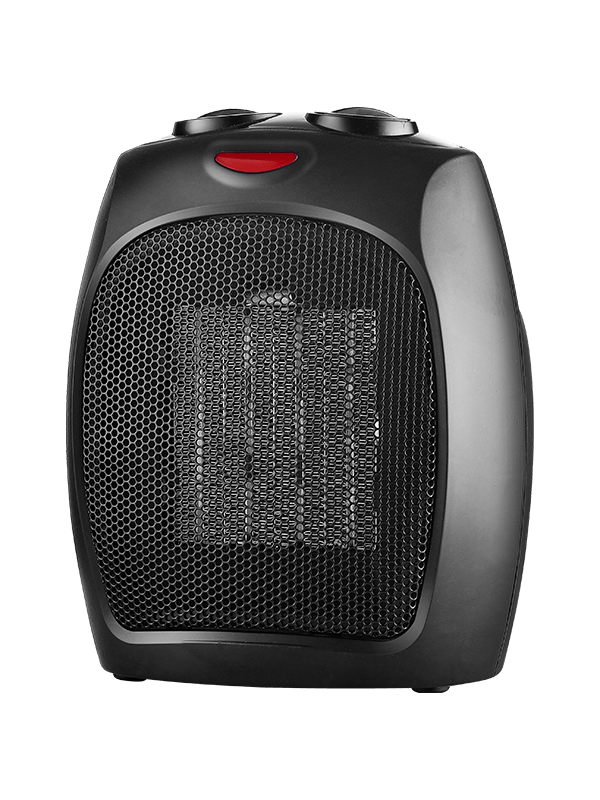
A portable heater lets you follow your day from room to room without firing up a central system. For this role, we favour a PTC ceramic heater with an adjustable thermostat and an oscillation feature: the thermistor limits the element temperature automatically, which reduces the risk of overheating and helps the heater avoid drawing full power when the room has already reached the set point. Our detailed look at how room-by-room heating reduces winter heating costs lays out the operational figures.
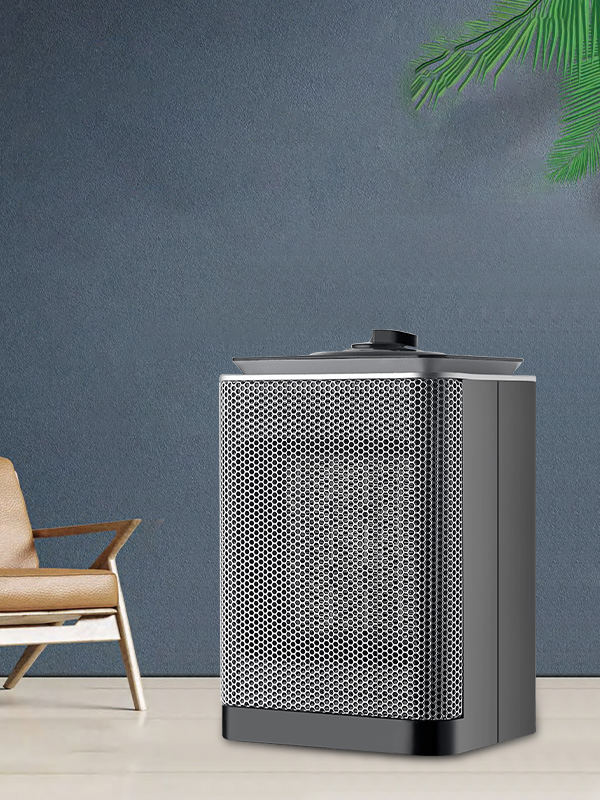 750W/1500W Oscillating PTC Heater with Adjustable Thermostat and Fan ModeThe HPC-D1504YL pairs two power settings with an adjustable thermostat and automatic temperature control, helping reduce wasted operation. Its oscillation spreads warm air, while safety features like thermal fuse and tip-over switch suit room-to-room portable use.View Product →
In our factory tests, a 750 W PTC heater with a closed-loop thermostat consumed about 18% less energy than the same heater without temperature feedback when both were asked to hold a 12 m² bedroom at 20°C. That is not a claim of higher thermal efficiency—electric heating is close to 100% efficient at converting electricity to heat—but rather a claim about avoiding wasted operation. Keeping the thermostat in the loop is what lowers the bill.
No single electric heater is ideal for every room. The right choice depends on how quickly you need warmth, how long the room will be occupied, and how much floor or wall space is available. The table below summarises the trade-offs that we see across the product families we manufacture.
| Heater Type | Warm-up Speed | Temperature Control | Best Used For | Typical Power |
|---|---|---|---|---|
| PTC ceramic fan heater | Fast | Good (self-limiting element) | Bedrooms, studies, spot heating | 750-1500 W |
| Resistance fan heater | Fast | Basic on/off | Small enclosed spaces | 1000-2000 W |
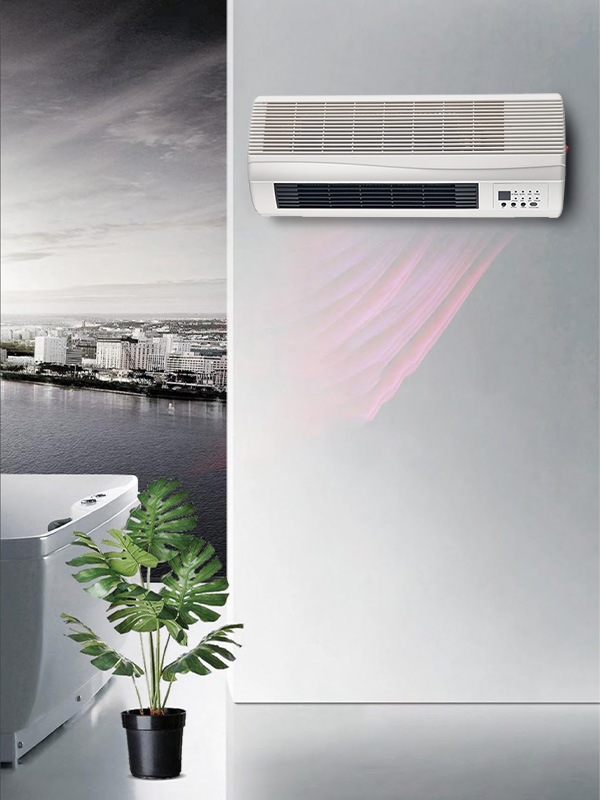
| Wall-mounted convector | Medium | Good (thermostat + timer) | Living rooms, bedrooms, continuous warmth | 1000-2000 W |
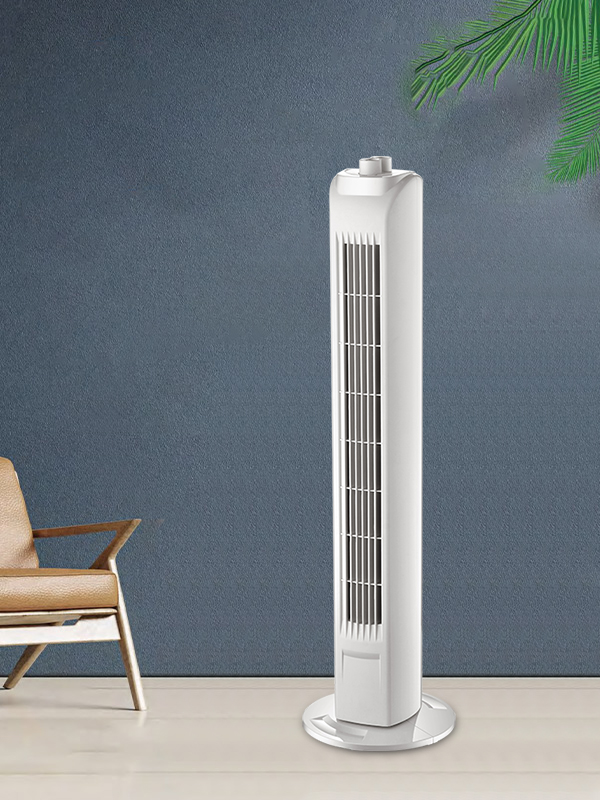
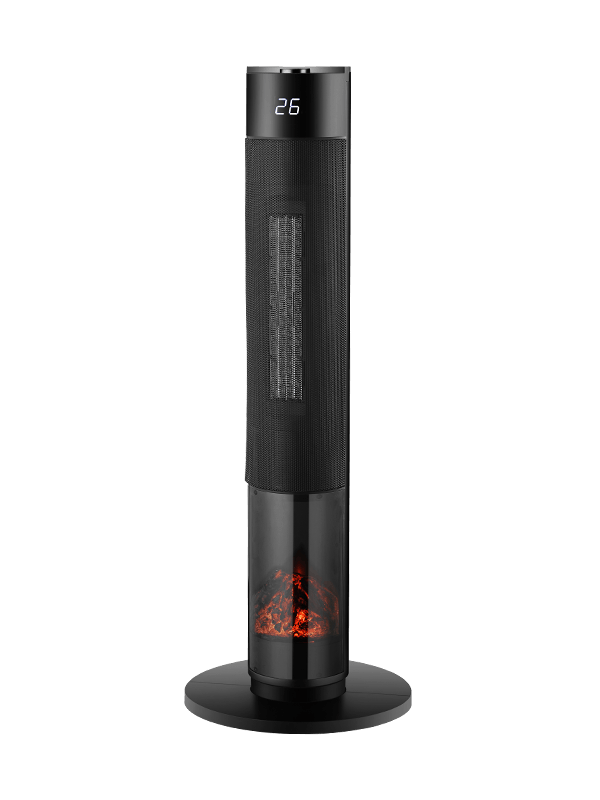
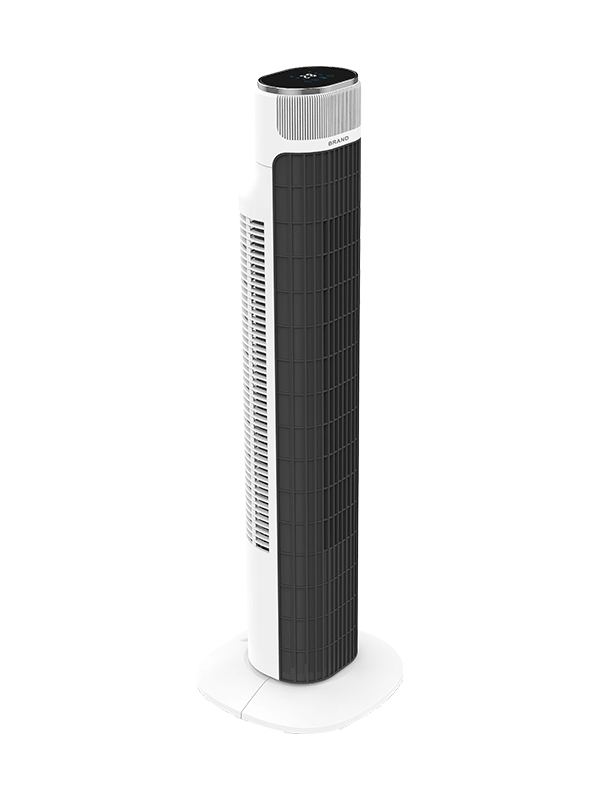
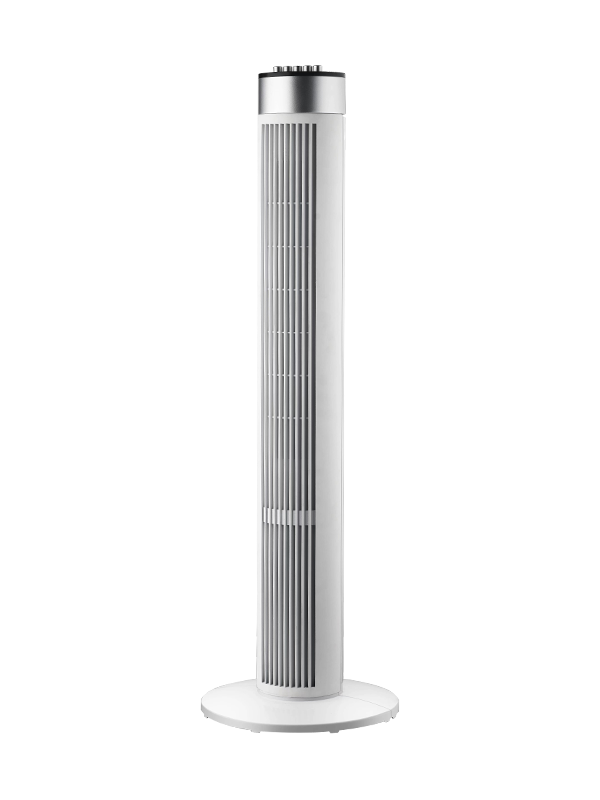
| Tower fan heater | Medium-fast | Good (remote + timer) | Open-plan areas, hallways | 1000-2000 W |
For a bedroom or home office where you want heat within two minutes, a PTC fan heater blows air directly across a ceramic matrix that heats up almost instantly. It is also the safest choice for rooms where the heater might be knocked: the self-limiting PTC element reduces power as its own temperature climbs, and tip-over switches cut the circuit if the unit falls. For long periods of occupation in a living room or main bedroom, a wall-mounted convector with a built-in thermostat and programmable timer tends to pay off because it rides a narrow temperature band instead of cycling from cold to hot. We built the BPT2000B series specifically around this behaviour: the ECO mode reduces output when the room approaches the set point, and the timer lets you schedule a drop during the night or while you are out.
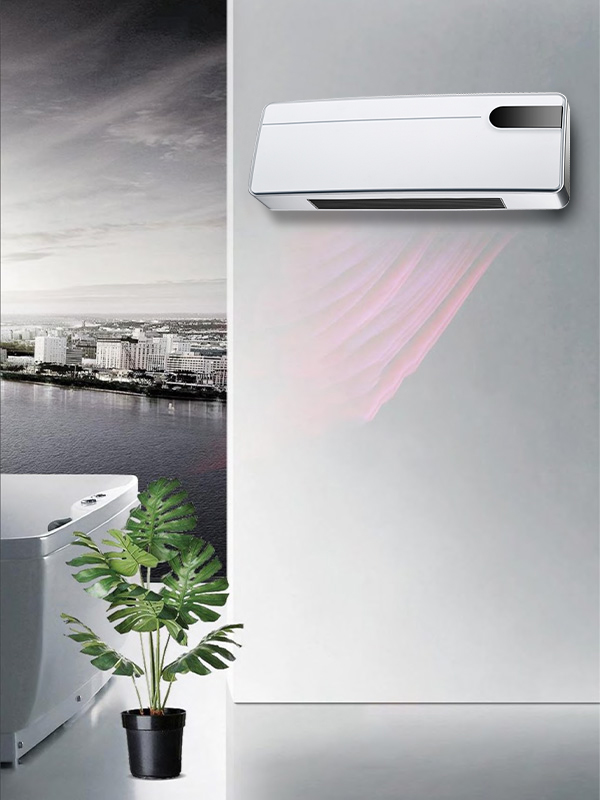 Wall-Mounted PTC Convector Heater with ECO Mode and TimerThis BPT-2000B wall heater is designed for steady, thermostat-controlled warmth in living rooms or bedrooms. Its ECO mode and programmable timer reduce output near the set point, aligning with energy-saving strategies described for longer occupied spaces.View Product →
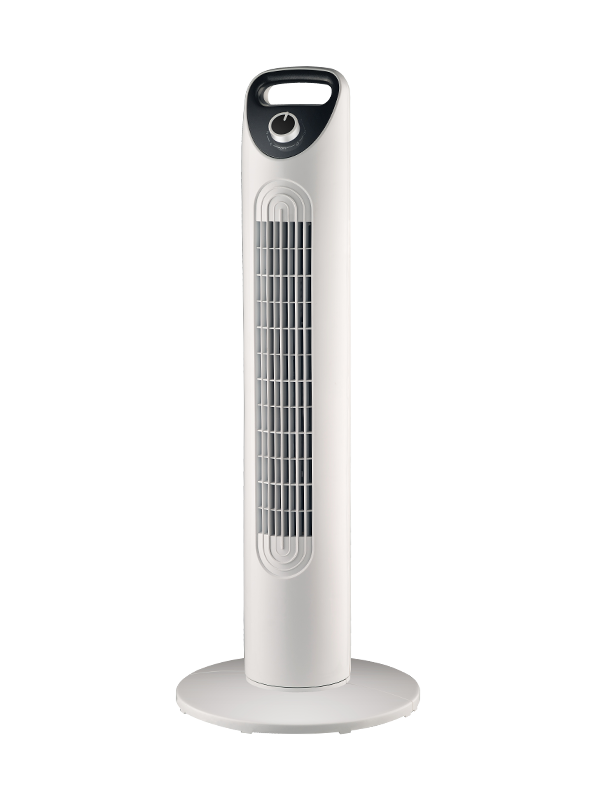
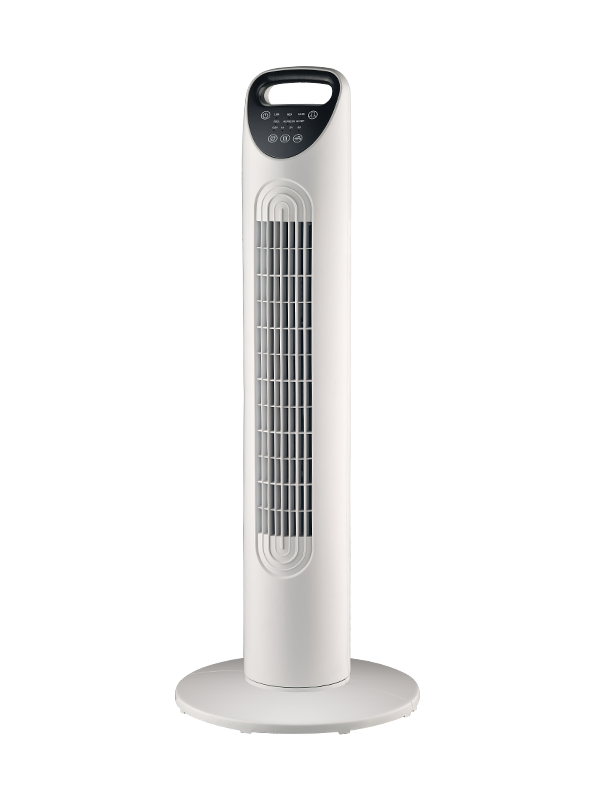
In an open-plan living area, a tower fan heater's slower but wider sweep keeps everyone near the seating area comfortable without demanding the high airspeed of a small desktop fan heater. The 24-hour timer on models like the TF803B allows a morning pre-heat while avoiding all-night operation. If you want to compare running costs across heater types, the actual wattage and control logic matter more than nameplate power; a thermostatically controlled unit will always beat a fixed-heat model over a full evening.
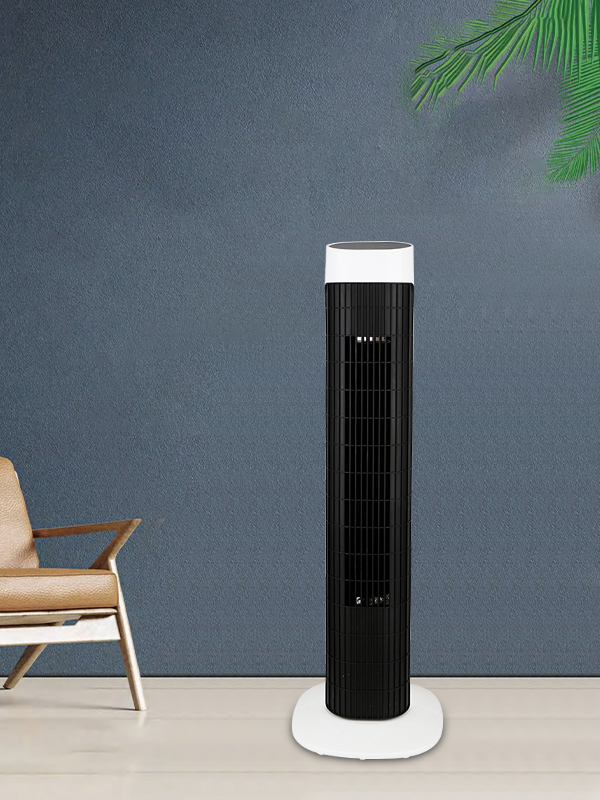 Oscillating Tower Fan Heater with 24-Hour Timer and Remote ControlThe TF803B provides gentle wide-area warmth with its 31-inch height and auto oscillation. Its 24-hour timer enables scheduled pre-heating without overnight running, and the thermostat control helps hold a lower steady temperature for energy savings.View Product →
The cheapest running mode on any electric heater is the one that turns the element off when the room is already warm. For every one degree Celsius you lower the target temperature, you typically reduce heating energy use by 6 to 8 percent over a season. That is the physics of heat loss: the warmer the room, the faster heat escapes through the building fabric, so holding a lower steady temperature always costs less than repeatedly reheating a cooled room.
This is why we design our heaters with three control layers: a mechanical or electronic thermostat, a timer (1-24 hours), and in many models a separate eco mode that caps the power level. A household that sets a bedroom heater to 18°C at night and schedules a 21°C warm-up in the morning can cut seasonal consumption noticeably compared to running the heater manually at maximum until the room feels hot, then switching it off and repeating.
Do not rely on a heater's maximum setting as the default. If a room is 10°C and you set a 2 kW heater to maximum, the room will warm faster, but it will overshoot and cycle more aggressively once the thermostat engages. A lower power setting with the thermostat left at a fixed point produces steadier temperatures and lower average power draw. Operation noise also drops, which matters in bedrooms.
Cheapest upfront is not the same as cheapest overall. A heater that fails halfway through winter, needs a replacement fan motor after six months, or has a controller that drifts out of calibration will cost more in time and money than a unit with a slightly higher price and genuinely better components. When you buy a heater, look for proper certification marks (CE, CB, GS, or the relevant regional marks), a warranty of at least one year, and a supplier who publishes spare-part availability.
This is where the manufacturer's track record shows up. We have been making heating appliances since 1981 and our factory in Cixi runs dedicated quality-control teams that check incoming parts, in-process assembly, and every finished unit before packing. For wholesale and OEM buyers, that reliability is transferred through the products they sell; for households, it means the heater keeps doing its job quietly for many winters.
Keep the maintenance simple: dust the intake grille twice a season, vacuum the PTC element access if the design allows, and check that the power cord, plug, and pivot joints have not suffered from the previous season's storage. A clean heater moves more air per watt and stays safer.
The cheapest way to heat a house is a sequence, not a single product: seal the leaks, heat only occupied rooms, match the heater type to the room, use the thermostat and timer, and buy a unit with certification and a real warranty. Do that and the monthly bill becomes a predictable number rather than a shock.
How Many Sq Ft Will a 1500 Watt Heater Heat? A Complete Room Sizing Guide
2026-09-09how can i keep my house warm in winter: Practical Applications, Selection, Performance
2026-09-17Your email address will not be published. Required fields are marked *
Copyright © Cixi BEILIGE Electric appliance Co.,Ltd. All Rights Reserved