If you've ever wondered how much running a fan heater costs, here's the direct answer: a standard electric fan heater uses between 1,000 and 3,000 watts (1–3 kW) of electricity. At the UK average electricity rate of around 24p per kWh (2024), a 2 kW fan heater running for one hour costs approximately 48p. Run it for 8 hours a day and you're looking at roughly £3.84 per day, or over £26 per week. Understanding exactly how much your specific model consumes — and how to reduce that figure — is what this guide is all about.
What Is a Fan Heater and How Does It Work?
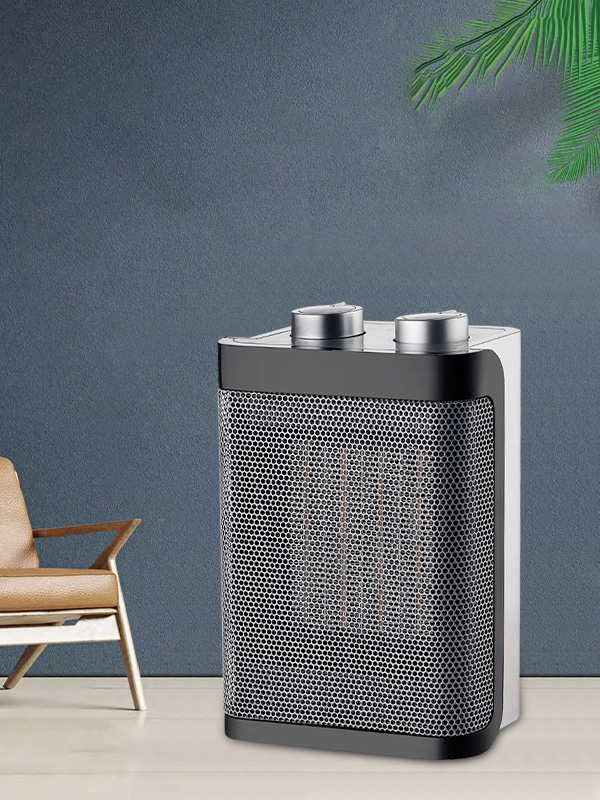
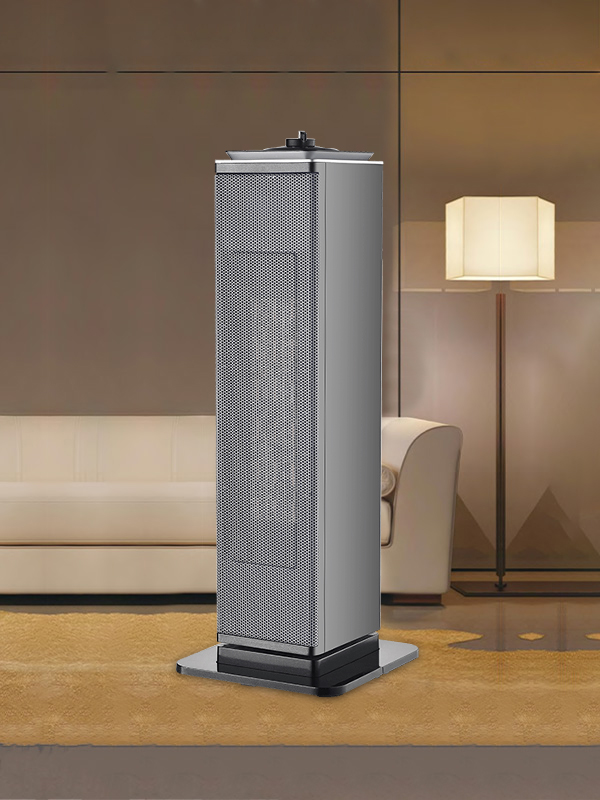
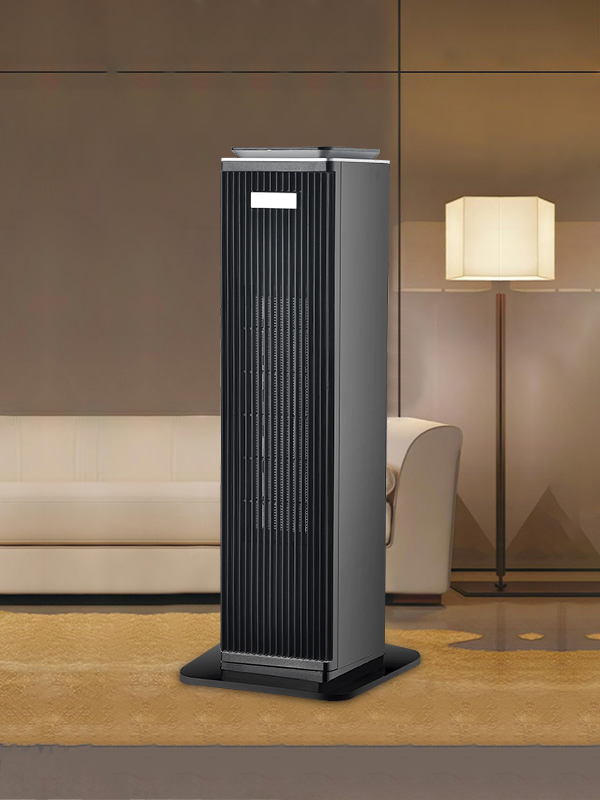
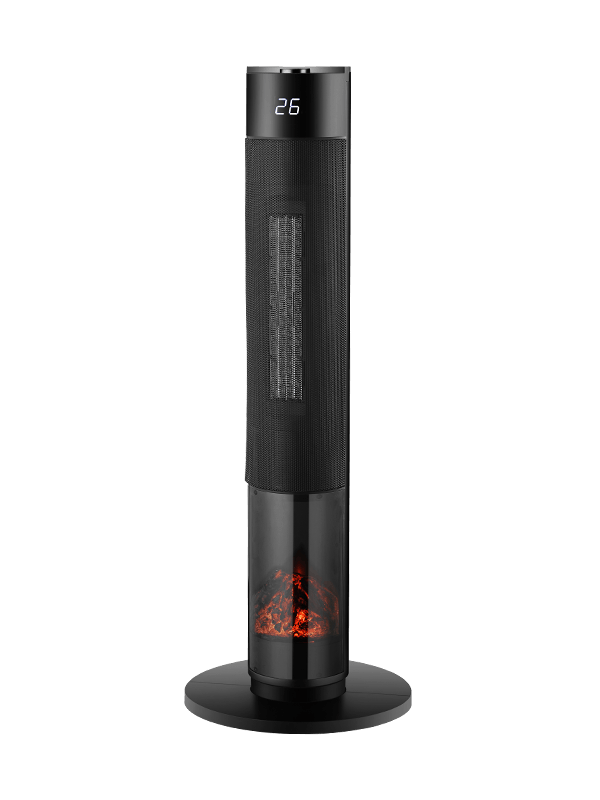
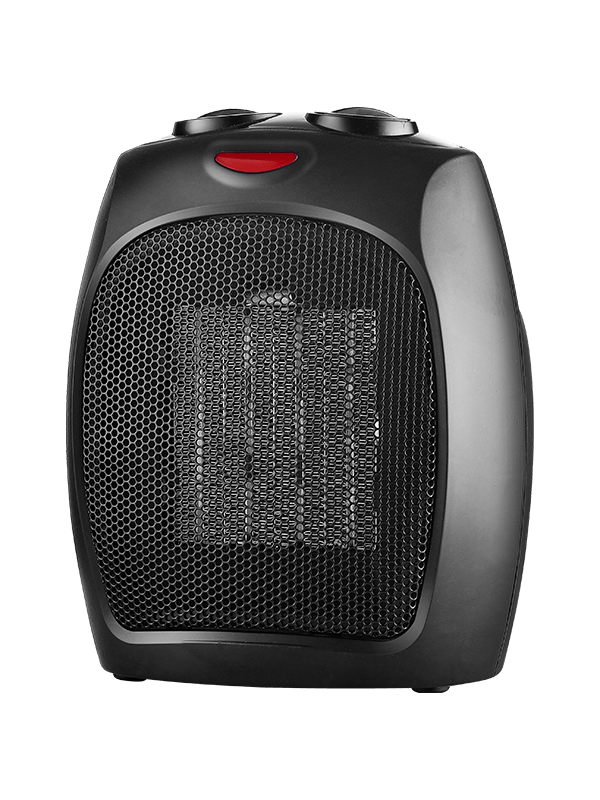
A fan heater is an electric space heater that uses a built-in fan to blow air over a heated element, distributing warmth quickly and evenly around a room. Unlike oil-filled radiators that radiate heat slowly, fan heaters deliver near-instant warmth — typically heating a small room in under 5 minutes.
There are two primary types you'll encounter:
Electric Fan Heater: Uses a metal or nichrome wire heating element. Affordable, portable, and widely available. Best for short-burst, targeted heating.
Ceramic Fan Heater: Uses a ceramic heating element (PTC — Positive Temperature Coefficient). Self-regulating, meaning it naturally reduces power draw as it reaches optimal temperature, making it more energy-efficient over time.
Both types convert electrical energy into heat at close to 100% efficiency — meaning almost no energy is wasted. However, this doesn't make them cheap to run; it simply means every watt consumed becomes heat output.
Fan Heater Wattage: What Are the Real Numbers?
Fan heaters vary in power output depending on their size and intended use. Most models offer two or more heat settings, allowing you to reduce consumption when full power isn't needed.
Typical wattage ranges for common fan heater types and sizes
Heater Type
Low Setting (W)
High Setting (W)
Typical Use Case
Mini / Desktop Fan Heater
400–600
900–1,000
Personal desk or small office space
Standard Electric Fan Heater
1,000
2,000–3,000
Living rooms, bedrooms
Ceramic Fan Heater
750–1,000
1,500–2,500
Living rooms, nurseries, offices
Industrial / Large Fan Heater
2,000
3,000–6,000
Garages, workshops, large spaces
The most common household fan heater sold in the UK and Europe is rated at 2,000W (2 kW) on its highest setting. Always check the label on the back of your unit or the product specification sheet for the exact wattage.
How to Calculate Your Fan Heater's Running Cost
The formula for calculating electricity cost is straightforward:
Cost = (Wattage ÷ 1,000) × Hours Used × Price per kWh
Using a 2,000W fan heater at 24p per kWh as an example:
Per hour: (2,000 ÷ 1,000) × 1 × £0.24 = £0.48
Per 8-hour day: £0.48 × 8 = £3.84
Per 7-day week: £3.84 × 7 = £26.88
Per month (30 days): £3.84 × 30 = £115.20
These figures assume constant use at full power. In practice, many fan heaters with thermostats cycle on and off, which can reduce actual consumption by 30–50% compared to continuous operation.
Running Cost Comparison at Different Wattages
Cost per hour and per day (8 hours) at 24p/kWh electricity rate
Wattage
Cost per Hour
Cost per Day (8 hrs)
Cost per Month (8 hrs/day)
500W
12p
96p
£28.80
1,000W
24p
£1.92
£57.60
1,500W
36p
£2.88
£86.40
2,000W
48p
£3.84
£115.20
3,000W
72p
£5.76
£172.80
Ceramic Fan Heater vs Electric Fan Heater: Which Uses Less Electricity?
This is one of the most searched questions around fan heaters — and the answer matters for your energy bills.
The Ceramic Advantage: Self-Regulation
Ceramic fan heaters use PTC (Positive Temperature Coefficient) ceramic elements. As the element heats up, its electrical resistance increases, automatically reducing the current drawn. This means a ceramic heater rated at 2,000W may only draw 1,200–1,500W in a warm room, compared to a standard electric fan heater that pulls its full rated wattage continuously.
In a real-world test comparing two 2,000W heaters in a 15m² room over 4 hours, the ceramic model used approximately 18–25% less electricity than the standard coil-element fan heater, while maintaining the same room temperature.
Safety and Durability Differences
Ceramic elements are less likely to overheat or ignite nearby materials, making them safer for longer or unattended use.
Standard electric fan heaters heat up faster from cold start but can get dangerously hot if airflow is blocked.
Ceramic heaters tend to have a longer lifespan — the element is less prone to burning out, with many lasting 5–10 years under normal use.
Which Should You Choose?
If you plan to use your heater for more than 1–2 hours at a time, a ceramic fan heater is the better investment. The higher upfront cost (typically £5–£20 more) is typically recovered within a few weeks of regular use through lower electricity bills. For occasional short bursts of heat, a standard electric fan heater is perfectly adequate.
Factors That Affect How Much Electricity Your Fan Heater Uses
The wattage on the label is only part of the story. Several factors influence real-world electricity consumption:
1. Room Size and Insulation
A 2,000W heater will reach thermostat cut-off quickly in a well-insulated 10m² room, cycling on and off frequently. In a draughty 25m² room with poor insulation, the same heater may run almost continuously, consuming far more over a given period. A rough rule of thumb is 1,000W per 10m² for standard insulation.
2. Thermostat and Heat Settings
Fan heaters with built-in thermostats can reduce electricity use dramatically. Running a 2 kW heater at half power (1 kW) with a thermostat set to 18°C may use the same amount of energy as running it at full power without a thermostat for far fewer hours — because the room reaches temperature faster and the heater stops cycling.
3. Ambient Temperature
The colder the room, the more energy needed. Heating a room from 5°C to 20°C requires significantly more energy than maintaining it at 17°C. In the depths of winter, expect your fan heater's running costs to be 20–40% higher than in mild autumn weather.
4. Timer and Usage Habits
Leaving a fan heater running while you sleep or leave the room is one of the biggest causes of unnecessary energy waste. A programmable timer that runs the heater only during occupied hours can reduce your consumption by up to 60% compared to all-day use.
Fan Heater vs Other Electric Heaters: How Do Running Costs Compare?
Fan heaters are not the only electric heating option. Understanding how they compare helps you make the most cost-effective choice for your needs.
Comparison of common electric heater types by efficiency, cost, and best use case
Heater Type
Typical Wattage
Cost per Hour (24p/kWh)
Heat-Up Time
Best For
Electric Fan Heater
1,000–3,000W
24p–72p
Instant (1–3 min)
Short bursts, quick warm-up
Ceramic Fan Heater
750–2,500W
18p–60p
Instant (1–3 min)
Extended use, energy saving
Oil-Filled Radiator
1,500–2,500W
36p–60p
Slow (20–45 min)
Long sessions, overnight safe
Infrared Panel Heater
400–1,500W
10p–36p
Instant (seconds)
Targeted, directional heating
Electric Storage Heater
1,000–3,400W
7p–17p (off-peak)
Charges overnight
Whole-room, Economy 7 tariff
Fan heaters win on speed and convenience, but if you need sustained heat for hours at a time, an oil-filled radiator or storage heater may prove cheaper in the long run despite higher initial costs.
7 Practical Tips to Reduce Your Fan Heater's Electricity Use
You don't have to sacrifice comfort to cut costs. These evidence-based strategies can meaningfully reduce how much electricity your fan heater consumes:
Use the lowest effective heat setting. Dropping from 2,000W to 1,000W cuts your hourly cost by 50% — and in a small, well-insulated room, the lower setting is often sufficient.
Set a thermostat target of 18–20°C. Each degree above 20°C adds approximately 10% to your heating costs. Lowering from 22°C to 18°C can save up to £100 per winter on a 2 kW heater used daily.
Use a timer plug. Set your heater to run only 30 minutes before you enter a room and switch off when you leave. A basic programmable timer costs around £10–£15 and pays for itself within a week.
Close doors and draught-proof gaps. A draught under a door or through a window frame can increase a fan heater's running time by 20–30% as warm air constantly escapes.
Position the heater strategically. Place it where air can circulate freely — not behind furniture or in a corner — so the thermostat detects actual room temperature accurately and cuts off sooner.
Choose a ceramic fan heater for regular use. As covered above, PTC self-regulation can reduce consumption by nearly 25% without any change in comfort level.
Check for models with Eco or Energy Saving modes. Many modern fan heaters include an Eco mode that alternates between high and low power, maintaining temperature while cutting average consumption by up to 35%.
Is a Fan Heater Expensive to Run Compared to Central Heating?
This is a critical question for anyone using a fan heater as a substitute for central heating. The honest answer: for heating a single small room, a fan heater can be cheaper than central heating; for heating a whole home, it is almost always more expensive.
Gas central heating costs roughly 6–7p per kWh (based on 2024 UK gas rates), compared to 24p per kWh for electricity. This means gas is 3–4 times cheaper per unit of heat. However, if you're heating one room while your boiler would need to heat 5–8 rooms to warm the house, running a single fan heater can be more economical for short periods.
A useful rule: if you need heat in just one room for under 2 hours, a fan heater is likely cheaper. If you need whole-house heat or heat for more than 3–4 hours, gas central heating typically wins on cost.
How to Read Your Fan Heater's Energy Label and Spec Sheet
The most accurate way to know how much electricity your fan heater uses is to read its product label or specification sheet. Here's what to look for:
Rated power (W or kW): This is the maximum wattage. Most heaters list both heat settings — e.g. "1000W / 2000W".
Voltage (V) and current (A): If wattage isn't listed, multiply volts by amps: e.g. 230V × 8.7A = 2,001W.
Energy efficiency class: EU energy labels rate heaters from A+++ to G. Most fan heaters fall in the D–F range; a class A or B model will use noticeably less energy for the same warmth.
Seasonal space heating energy efficiency (%): Found on EU/UK compliant labels. A higher percentage means more heat delivered per unit of electricity consumed.
If you want a live reading of exactly how much electricity your heater is drawing right now, plug it into a smart plug with energy monitoring (available for £10–£25). These devices display real-time wattage and track cumulative kWh usage, making it easy to calculate your exact running costs.

 en
en  English
 中文简体
中文简体 Español
 عربى
عربى русский