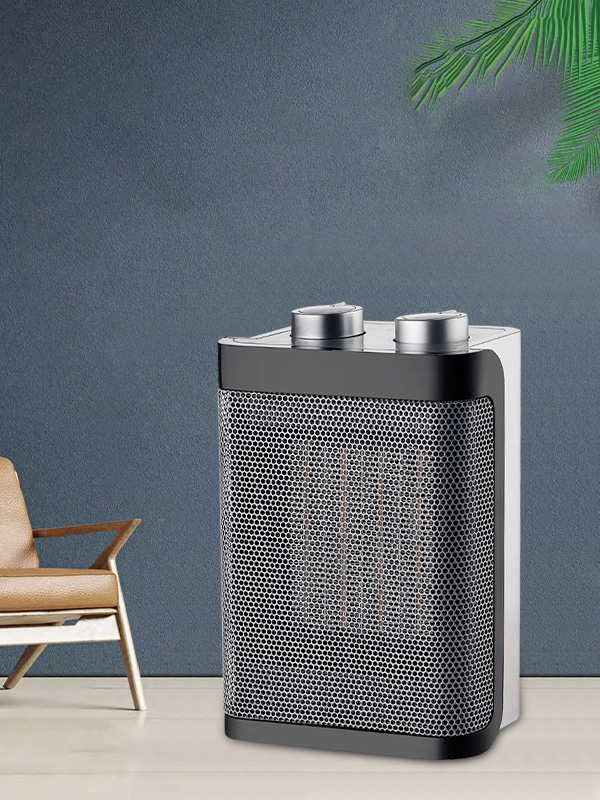
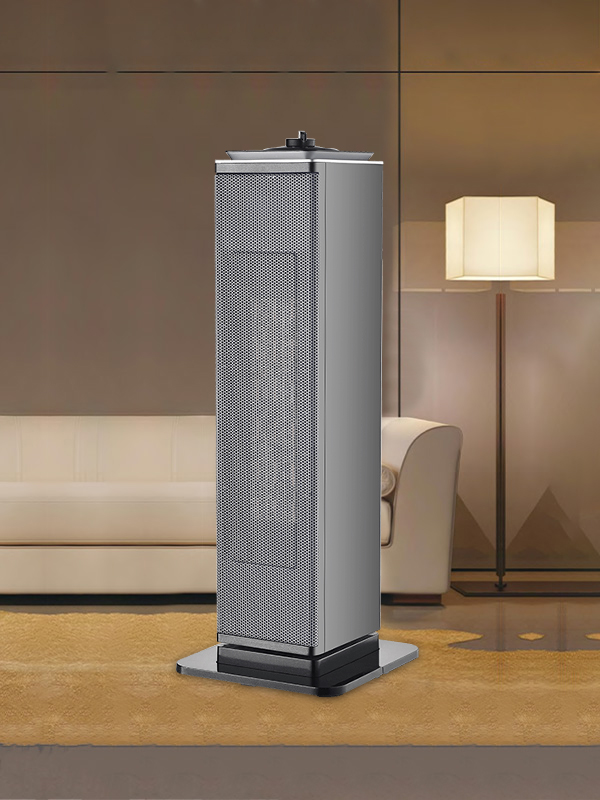
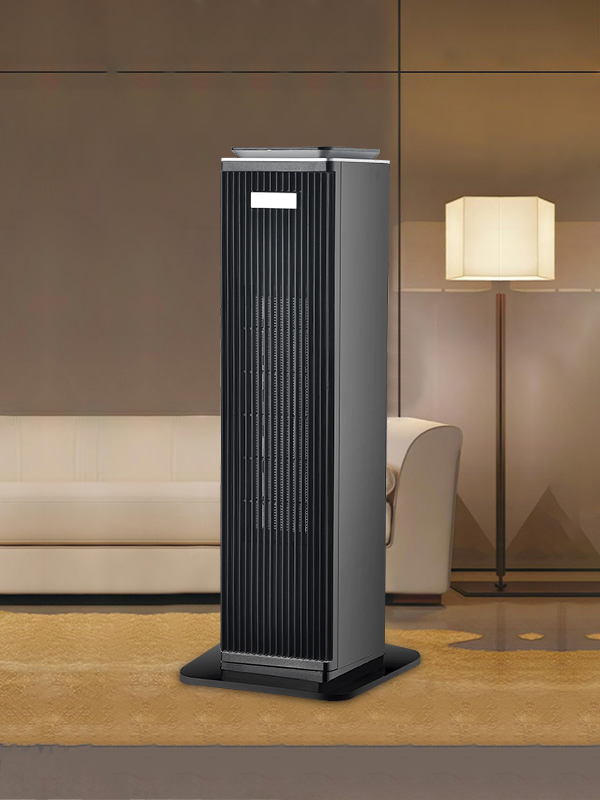
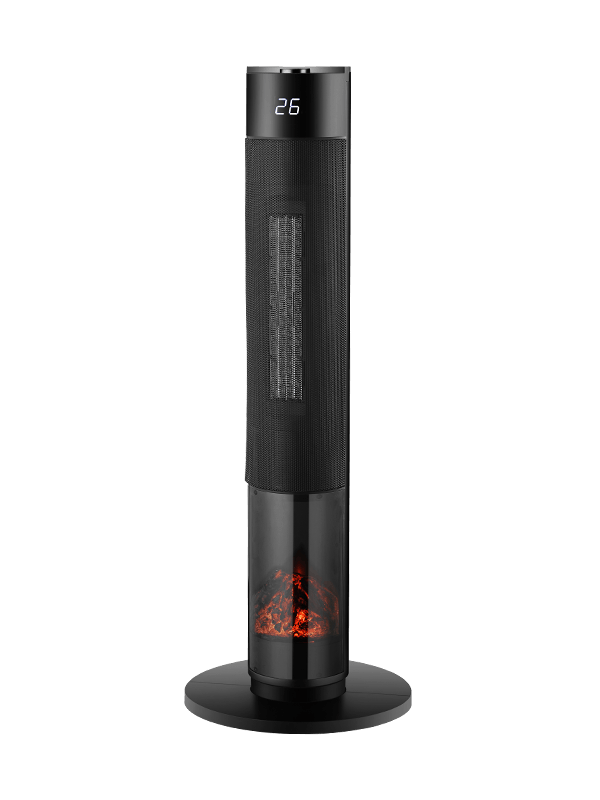
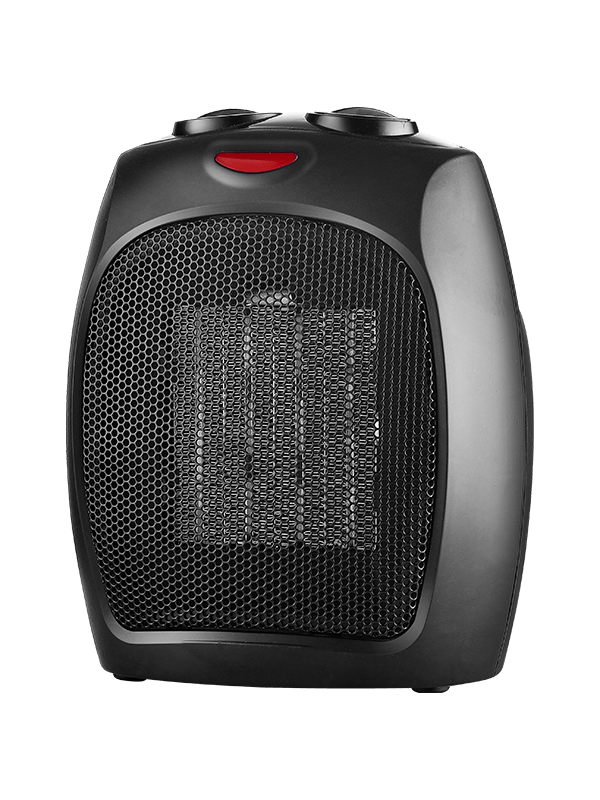
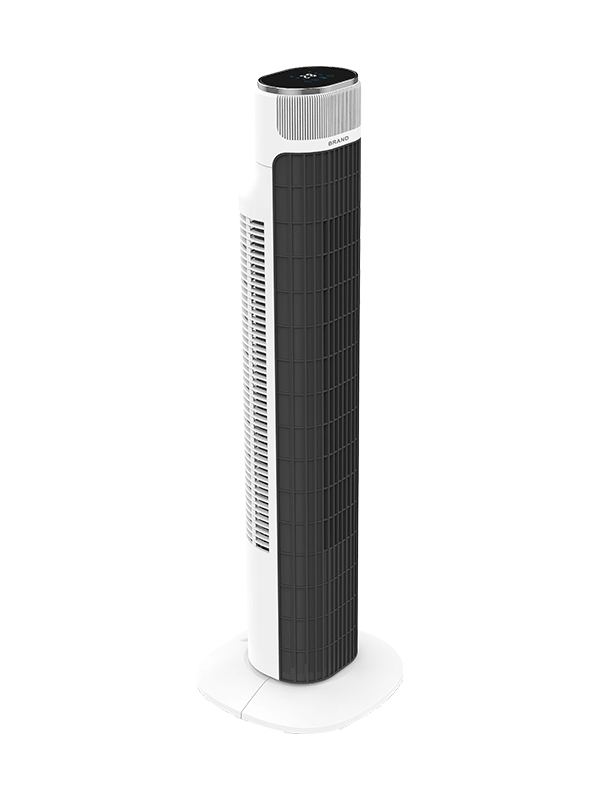
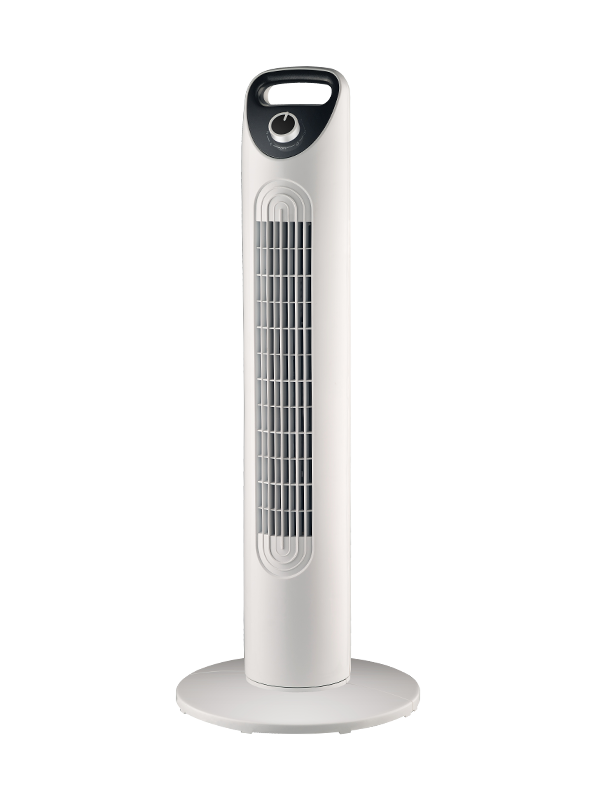
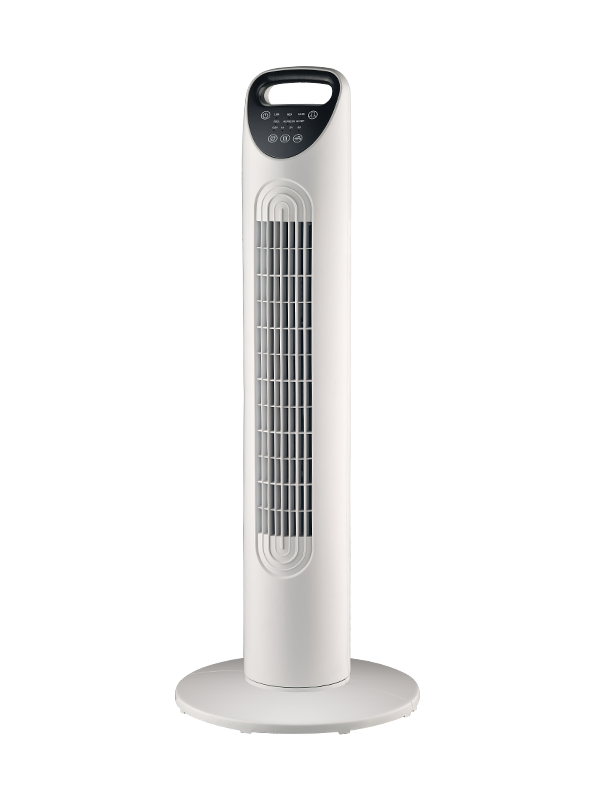
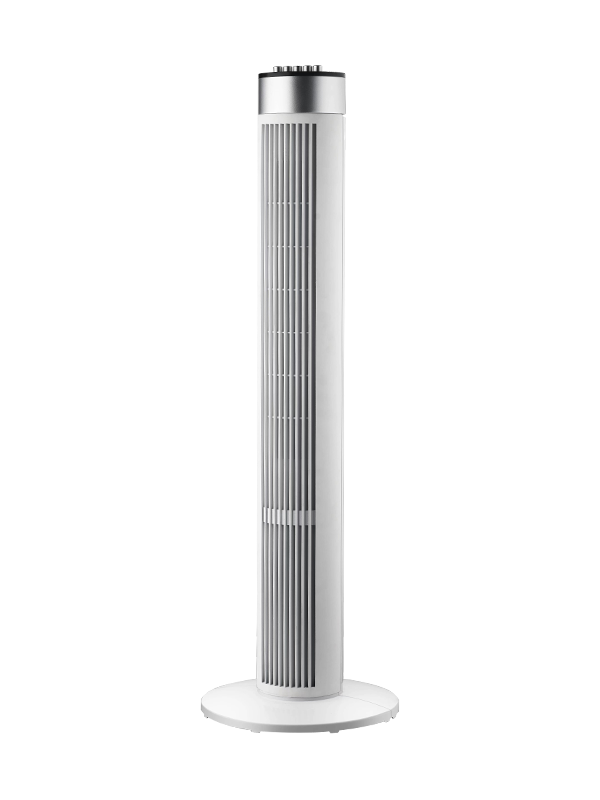
The cheapest type of heater to run is an infrared heater for targeted spot heating, or a ceramic tower heater with a thermostat for warming a room efficiently over time. Both consume as little as 400–1,000W while delivering effective heat — significantly less than traditional fan heaters or oil-filled radiators running at 2,000–2,500W continuously. The actual running cost depends on wattage, thermostat control, room size, and how long the heater operates each day.
With electricity prices averaging $0.13–$0.17 per kWh in the US and £0.24–£0.28 per kWh in the UK (2024 figures), even small differences in heater efficiency translate into meaningful savings over a winter season. This guide breaks down every major heater type by real running cost, explains why ceramic tower heaters offer one of the best value propositions for home heating, and gives practical advice on reducing your bill further.
Running Cost Comparison: All Major Heater Types
All electric heaters are theoretically 100% efficient — every watt consumed becomes heat. The real difference in running cost comes from how much wattage is needed to maintain a comfortable temperature and whether the heater has controls to avoid unnecessary energy use.
Estimated hourly and daily running costs for common heater types based on $0.15/kWh electricity rate, 8 hours/day use
Heater Type
Typical Wattage
Cost per Hour
Cost per Day (8 hrs)
Thermostat Control
Infrared Heater
300–1,500W
$0.05–$0.23
$0.36–$1.80
Sometimes
Ceramic Tower Heater
750–1,500W
$0.11–$0.23
$0.90–$1.80
Yes (most models)
Oil-Filled Radiator
1,000–2,500W
$0.15–$0.38
$1.20–$3.00
Yes
Standard Fan Heater
1,000–3,000W
$0.15–$0.45
$1.20–$3.60
Rarely
Convection Panel Heater
500–2,000W
$0.08–$0.30
$0.60–$2.40
Yes
Halogen Heater
400–1,200W
$0.06–$0.18
$0.48–$1.44
No
Infrared and halogen heaters show the lowest raw cost at low wattage settings, but they heat people and objects directly — not the air — making them poor choices for warming an entire room. Ceramic tower heaters with thermostats deliver the best balance of room-wide heating capability and cost control for regular home use.
Why Ceramic Tower Heaters Are Among the Most Cost-Effective
A ceramic tower heater uses a Positive Temperature Coefficient (PTC) ceramic heating element — a material that self-regulates its resistance as it heats up. When the element reaches its target temperature, electrical resistance increases automatically, reducing current draw without requiring the thermostat to switch the heater fully off and on. This behavior makes ceramic heaters inherently more energy-stable than coil-based or halogen heaters.
The PTC Self-Regulation Advantage
In a conventional fan heater, the heating coil runs at full power until the thermostat cuts it off entirely. PTC ceramic elements, by contrast, modulate their own output continuously — meaning a 1,500W ceramic tower heater may effectively draw only 800–1,000W once the room reaches temperature, while still maintaining warmth. Independent energy monitoring tests have shown ceramic PTC heaters consuming 15–25% less energy than equivalent-rated coil heaters over a full heating cycle in an insulated room.
Tower Form Factor Benefits
The tower design — typically 60–120 cm tall with a narrow footprint of 15–25 cm — allows the built-in fan to distribute warm air vertically and circulate it throughout the room more efficiently than a low, compact heater sitting on the floor. Many ceramic tower heaters include an oscillation function that sweeps heat across a 70–90° arc, reducing cold spots and eliminating the need to run the heater at higher wattage to compensate for uneven heat distribution.
Features That Directly Reduce Running Costs
The purchase price of a heater is far less important than its operational features. Two heaters with identical wattage ratings can have dramatically different real-world running costs depending on how intelligently they manage that power.
Programmable Thermostat
A thermostat that maintains a set temperature — say, 20°C — will cycle the heater on and off as needed rather than running continuously. A ceramic tower heater with a thermostat set to 20°C in a well-insulated room may only run at full power for 40–50% of the time, effectively halving the energy consumed compared to running constantly at full wattage.
Multiple Heat Settings
Most ceramic tower heaters offer at least two power settings — commonly 750W and 1,500W. Using the lower setting in a small room (under 15 m²) or during milder weather can cut hourly running costs by 50% with minimal difference in comfort. Many users default to the high setting when the low setting would achieve the same result.
Timer Function
A built-in timer prevents the heater from running during unoccupied hours. If a heater runs unnecessarily for just 2 extra hours per day at 1,500W, that adds approximately $0.45/day — over $160 per year — in wasted electricity at average US rates.
Eco or Energy-Saving Mode
Many modern ceramic tower heaters include an ECO mode that automatically selects the lowest wattage setting capable of maintaining the target temperature. Independent tests on models with ECO mode have recorded energy savings of 30–35% compared to running at fixed high power with the same thermostat setpoint.
Heater Type vs. Room Size: Matching the Right Heater to the Job
Running an oversized heater in a small space wastes energy; running an undersized heater in a large space forces it to run at maximum power continuously. Matching heater output to room size is one of the simplest ways to minimize running costs.
Recommended heater wattage and type by room size for average insulation levels
Room Size
Recommended Wattage
Best Heater Type
Notes
Under 10 m² (small office, bathroom)
500–750W
Infrared or ceramic panel
Low wattage sufficient; no fan needed
10–20 m² (bedroom, study)
750–1,000W
Ceramic tower heater (low setting)
Oscillation spreads heat evenly
20–35 m² (living room, open plan)
1,500W
Ceramic tower heater (high setting)
Thermostat essential to avoid overconsumption
35–50 m² (large open space)
2,000–2,500W
Oil-filled radiator or 2× ceramic tower
Two smaller heaters more flexible than one large unit
Infrared vs. Ceramic Tower Heater: Which Is Actually Cheaper?
Infrared heaters are often marketed as the cheapest to run, and at face value the wattage figures support this — many infrared models operate at just 300–600W. However, this comparison requires context.
Infrared heats objects and people, not air. The moment you leave the room or move out of the beam, you lose the heating benefit. This makes infrared ideal for a desk, a single chair, or an outdoor patio — not for warming a bedroom or living room where you move around.
Ceramic tower heaters warm the entire room air volume. Once the room is up to temperature, the thermostat reduces active run time — achieving sustained comfort across the whole space for similar or lower total energy than an infrared heater running constantly to heat one spot.
For sedentary, single-position use (working at a desk for hours), a 400W infrared heater costs approximately $0.06/hour — genuinely the cheapest option. For general room heating with movement, a ceramic tower heater with a thermostat will typically cost less over the same period.
How Much Does It Cost to Run a Ceramic Tower Heater All Winter?
A practical example: a 1,500W ceramic tower heater used for 8 hours per day over a 120-day winter season (roughly October to January in northern climates) at $0.15/kWh:
Without thermostat (runs constantly): 1.5 kW × 8 hrs × 120 days × $0.15 = $216 per season
With thermostat cycling at ~50% duty: 1.5 kW × 4 hrs effective × 120 days × $0.15 = $108 per season
Using 750W low setting with thermostat: 0.75 kW × 5 hrs effective × 120 days × $0.15 = $67.50 per season
The difference between a poorly managed heater and a well-configured ceramic tower heater with thermostat and appropriate heat setting is over $150 per winter season — more than the purchase price of many mid-range ceramic tower heaters.
Practical Tips to Minimize Heater Running Costs
Choosing the right heater type is only part of the equation. How and where you use it has an equally significant impact on your electricity bill.
Close doors and windows: Heating a sealed room rather than a drafty open space reduces the heater's active run time by up to 40%.
Set the thermostat no higher than necessary: Each 1°C reduction in target temperature saves approximately 3–5% on heating energy. Setting 19°C instead of 22°C saves roughly 10–15% per session.
Position the heater correctly: Place a ceramic tower heater in a corner or against a wall to allow warm air to circulate across the room, not just heat the air directly in front of the unit.
Use a timer: Programme the heater to start 20 minutes before you enter a room rather than leaving it running all day in an unoccupied space.
Combine with insulation: Draft excluders under doors, thermal curtains, and even a rug on bare floors can reduce heat loss enough to allow a 750W setting to do the job a 1,500W setting previously required.
Only heat rooms in use: Zone heating — using a portable heater only in the occupied room — consistently outperforms whole-house central heating in homes where only one or two rooms are regularly used during the day.
What to Look for When Buying a Ceramic Tower Heater for Low Running Costs
Not all ceramic tower heaters are equal in terms of energy management. These are the specific features that separate low-cost models from genuinely efficient ones.
Digital thermostat with 1°C increments: Analogue dial thermostats are imprecise and often overshoot or undershoot the target temperature, wasting energy. A digital display allowing precise setpoints is worth the small price premium.
ECO mode: Confirms the heater will automatically select the most energy-efficient wattage to maintain your chosen temperature rather than defaulting to full power.
24-hour programmable timer: Allows you to schedule heat only during specific hours, eliminating idle consumption entirely.
750W / 1,500W dual settings: The 750W option is essential for smaller rooms and shoulder-season use; single-setting 1,500W-only models offer no flexibility.
Oscillation: Distributes heat across the room faster, reducing the time needed at high power to achieve a comfortable temperature throughout the space.
Auto shut-off and tip-over protection: Safety features that also prevent energy waste if the heater is accidentally left running unattended or falls.

 en
en  English
 中文简体
中文简体 Español
 عربى
عربى русский